As an Amazon Associate, we earn from qualifying purchases. Some links on this site are affiliate links at no extra cost to you. Our recommendations are based on thorough research and editorial judgment.

Watering at Night vs. Morning: When Is the Best Time for Plants?

Watering plants in the morning, particularly between 6 and 10 a.m., is recommended for ideal health. This practice minimizes evaporation, allows soil moisture retention, and promotes leaf drying, reducing fungal growth risks. Most plants require about one inch of water weekly for healthy development. Watering techniques such as using soaker hoses or drip irrigation can enhance soil penetration. Observing plant responses will help in adjusting watering schedules effectively. More detailed guidance on plant hydration methods is available.
Key Takeaways
- Morning watering (6-10 a.m.) minimizes evaporation, ensuring more moisture reaches the plants’ roots.
- Night watering can lead to excess moisture on foliage, increasing fungal disease risks.
- Effective morning watering keeps foliage dry, reducing fungal growth and promoting healthier plants.
- Most plants require about one inch of water weekly, with young plants needing more frequent irrigation.
- Observe plant responses regularly, as yellowing leaves or stunted growth indicate the need for adjusted watering practices.
The Advantages of Morning Watering
When is the best time to water plants for ideal health? The prime time is in the morning, specifically between 6 and 10 a.m. This period allows outdoor plants to absorb the water they need before the heat of the day. Watering during this time minimizes evaporation losses, ensuring that more moisture is available for plants. When you water your plants in the morning, the soil remains moist while foliage dries out before evening, reducing the likelihood of fungal growth, which can harm plant health. Additionally, morning watering can help wash away dirt from leaves, enhancing photosynthesis. Ultimately, establishing a morning watering routine promotes healthier growth and resilience in plants, making it the best time to water. For optimal lawn care, programmable features in sprinkler timers can help automate morning watering schedules effectively.
Recommended Products

For battery-powered operation of up to 4 automatic sprinkler or drip valves

Effortless Yard Irrigation Setup: The Orbit All-in-One Automatic Watering System simplifies yard irrigation with a complete 2-zone automatic sprinkler system designed to deliver consistent watering

【WARM WHITE EVERY DAY, HOLIDAY COLORS ON DEMAND - RGBWW INCLUDING 2900K WARM WHITE AND 6000K COOL WHITE PLUS 5-LEVEL DIMMING】Unlike standard RGB or RGBW spotlights, these include true warm white at 2900K - the same color temperature used in professional landscape lighting - for an upscale everyday look that rivals systems costing thousands. Switch to cool white 6000K for a crisp modern feel, or cycle through colors for Christmas, Halloween, Fourth of July, and beyond. With 5 dimming levels and 4 dynamic modes, you can dial in exactly the right mood for any night of the year. CRI Ra 90 or above means your trees, plants, and home exterior show their true colors under white light.
The Risks of Watering at Night

Watering plants at night carries significant risks that can adversely affect their health. Nighttime watering often leads to excess moisture accumulation, increasing the likelihood of water pooling on foliage. This environment is conducive to the development of fungal diseases, such as mildew and mold, inhibiting healthy growth. Furthermore, inadequate drying from overnight watering can create conditions favorable for root rot, resulting in plant health decline. Poor air circulation during cooler hours exacerbates these issues, leading to complications in plant health. Additionally, freezing water droplets may damage leaves during colder months. To mitigate these risks, it is advisable to water plants during early morning hours when the environment is more conducive for ideal absorption and drying. Additionally, using tools with safety features like secure latches can prevent accidents during maintenance tasks such as pruning or watering.
Recommended Products
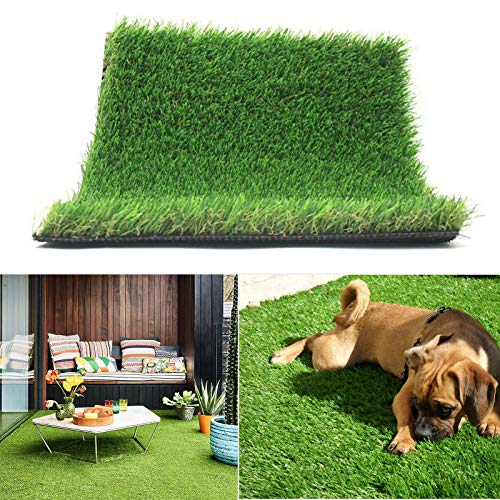
THICK & REALISTIC ARTIFICAL GRASS RUG: Grass height about 1.38inch in length, 70 oz total weight per square yard, high-density artificial grass. With 4-tone color, soft and lush and the thatch looks & feels like real natural grass. Providing you with year round green and turf enjoyment, perfect for all indoor and outdoor projects

AI-Ready 5MP Camera Bundle: Pair AI Hub with PTC Plus 5MP to help understand indoor events, search videos with everyday keywords, and review Smart Reports. AI+ subscription required for AI features.

HIGH QUALITY MATERIAL - Our artificial leaves panel is made of premium high density polyethylene (HDPE) material, it is UV&weather resistant and not easy to fade.
Understanding Plant Water Requirements
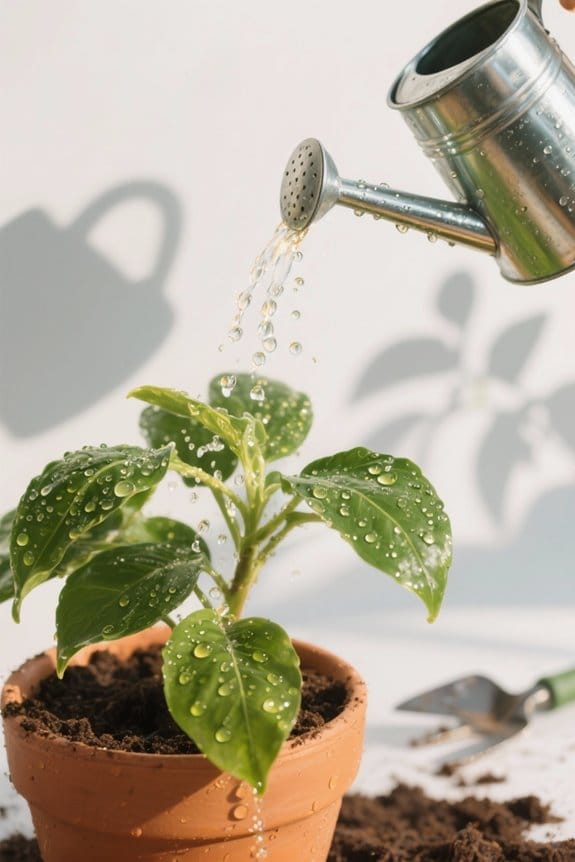
Understanding the specific water requirements of plants is essential for fostering their health and growth. Most plants need about one inch of water weekly, approximately 60 gallons for a 100-square-foot area. Young plants and new transplants require more frequent watering to support their shallow root systems. In contrast, mature plants thrive with fewer, deeper watering sessions, promoting deeper root growth. For soil moisture assessment, the finger test is useful; if dry to two inches deep, it’s time to water. Additionally, container gardening often necessitates more regular watering due to rapid dryness caused by heat absorption. While morning is the best time to water, awareness of specific plant species will further guide effective hydration practices. Incorporating eco-friendly materials in your watering practices can help promote sustainable gardening and enhance plant health.
Observing Signs of Water Needs
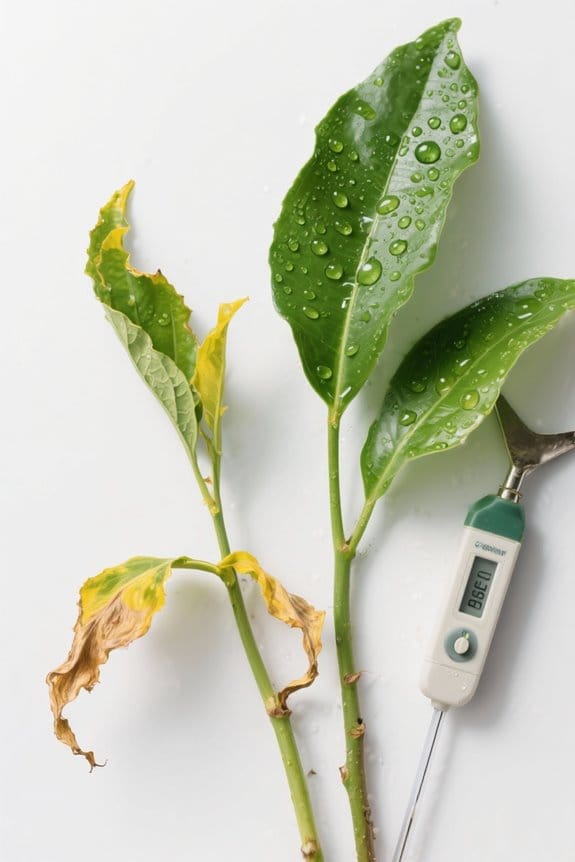
Plants show various signs indicating their water needs, and recognizing these signals is essential for their well-being. Yellowing or browning leaves often point to stress from either overwatering or underwatering, suggesting the need to check soil moisture levels. If plants exhibit stunted growth or reduced blooming, these declines can signal inadequate hydration, prompting a review of the watering schedule. A simple method to assess moisture involves inserting a finger two inches deep into the soil; dry soil indicates a need for additional water. High temperatures can accelerate dehydration in plants, particularly younger ones, which may require more frequent watering. Regular monitoring of plant responses, including the presence of pests, can further guide adjustments in watering practices. Incorporating sustainable gardening practices like staggered plantings and promoting biodiversity can also enhance a plant’s resilience to varying moisture conditions.
Tips for Effective Watering Techniques

How can effective watering techniques enhance plant health and growth? To keep your plants thriving, water in the morning when temperatures are cooler. This reduces evaporation and helps soil moisture last longer. It is best to water at the base of the plant to minimize leaf wetness, which can prevent fungal diseases. Using drip irrigation or soaker hoses allows water to penetrate deeply into the soil, ensuring adequate hydration. Aim to water for 20-40 minutes to achieve proper moisture levels. Additionally, regularly check soil moisture by inserting your finger two inches into the soil to gauge dryness. Consider using a watering wand to direct water efficiently and implementing mulch to conserve soil moisture, supporting robust plant development. Drip irrigation systems like Rain Bird’s professional-grade solutions help conserve water by directing moisture to plant roots, minimizing waste.
Recommended Products

3/4" Mainline Tubing Allows Higher Flow and Longer Rows
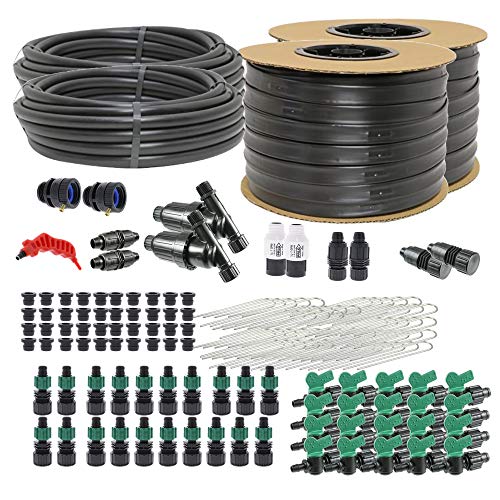
Timer Compatible : Yes; Rain Barrel Compatible : Yes; Expandable : Yes; Average Assembly Time : 60 + min.; Operating Pressure : 10-15 PSI; Maximum Flow Capacity : 480 GPH;

Standard 3/4" Garden Hose Thread Connections
Frequently Asked Questions
Is It Better to Water Plants at Night or in the Morning?
Morning watering offers significant benefits, including ideal soil absorption at optimal temperatures and reduced evaporation rates. In contrast, nighttime risks involve increased moisture retention, potential pest attraction, and compromised plant health due to damp conditions.
What Is the 70/30 Rule in Gardening?
The 70/30 rule in gardening advocates for a watering schedule where 70% of moisture comes from soil, enhancing plant health by promoting nutrient absorption and moisture retention, while limiting fungal growth through appropriate soil temperature and evaporation rate.
What Is the 3-Hour Gardening Rule?
The 3-hour gardening rule emphasizes time management in irrigation techniques, recommending that watering concludes three hours before dusk, optimizing soil moisture for plant health while considering environmental factors and seasonal adjustments across different growth stages.
What Are the Three Rules of Watering?
The three rules of watering include monitoring soil moisture, adjusting watering frequency based on plant types and seasonal changes, and employing appropriate watering techniques to minimize evaporation rates while promoting root health amid varying humidity levels.