As an Amazon Associate, we earn from qualifying purchases. Some links on this site are affiliate links at no extra cost to you. Our recommendations are based on thorough research and editorial judgment.


Building a Simple PVC Hoop House for Raised Beds

To build a simple PVC hoop house for raised beds, gather eight 2-foot lengths of 3/4-inch rebar, a heavy hammer, and 10-foot pieces of PVC pipe. Verify the structure is at least five feet tall for accessibility. Secure the hoops using screws or clamps, then cover with a 10 x 16-foot sheet of 3 mil painter’s plastic. Consider shade cloth during summer and maintain proper ventilation for crops. Further details on design and planting compatibility can enhance your gardening experience.
Key Takeaways
- Gather materials including PVC pipes, rebar, painter’s plastic, and fasteners before starting the assembly process for a hoop house.
- Cut the PVC pipes into four 10-foot lengths and secure them over your raised bed for the hoop structure.
- Use at least eight 2-foot lengths of rebar to anchor the hoop house securely into the ground for stability.
- Drape painter’s plastic over the structure, securing it with clamps and screws to create a tight fit and access openings.
- Ensure your hoop house is at least 5 feet tall for optimal crop growth and easy access for maintenance.
Benefits of Using a Hoop House
The use of hoop houses offers several significant benefits for gardeners and farmers seeking to optimize their crop production. A hoop house built from PVC pipes and plastic sheeting can extend your growing season by at least six weeks. This allows growers to plant earlier in the spring and harvest later in the fall. Additionally, hoop houses provide protection from frost, pests, and severe weather, improving the productivity of crops such as kale, lettuce, and spinach. Their design facilitates increased height and accessibility, making maintenance and harvesting of larger plants easier. Moreover, by creating a warm, controlled environment, these structures guarantee consistent yields for day-neutral crops and safeguard seedlings from cooler temperatures in early growth phases. A Garden Kneeler and Seat can further assist gardeners by providing comfort and support during maintenance tasks within the hoop house.
Planning Your Hoop House

Planning a hoop house requires careful consideration of several key factors to ascertain a successful structure. First, assess the dimensions of your garden space and the sizes of your raised beds to establish ideal hoop dimensions, typically around 5 feet in height. This height guarantees easy access and ventilation for the plants. Next, select a sunny location with well-drained soil, facilitating efficient irrigation and healthy growth. Consider environmental elements such as wind direction to enhance stability. Choose covering materials wisely; for instance, 3 mil painter’s plastic retains warmth, while greenhouse-grade plastic offers durability aligned with local climate. Finally, gather essential materials from your local supply, including PVC pipes in 10-foot lengths, wooden supports, and appropriate fasteners for a sturdy structure. Additionally, incorporating winter rye seeds as a cover crop can improve soil health through nitrogen fixation and erosion control, enhancing the overall effectiveness of your gardening efforts.
Assessing Your Garden Space
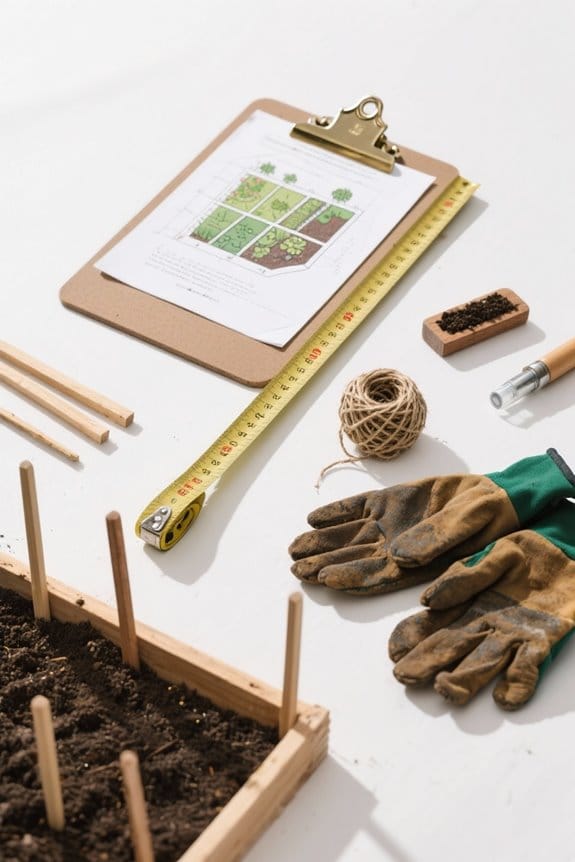
Evaluating garden space is a fundamental step in constructing a hoop house, as it dictates the overall size and functionality of the structure. First, the dimensions of your raised bed garden must be assessed to determine the appropriate size of your hoop. The hoop house should fully cover the planting area, guaranteeing effective protection and growth. Additionally, the site should receive at least six hours of direct sunlight daily, enhancing growing conditions. Well-drained, level soil is essential to prevent water pooling, while proximity to water sources guarantees easy access for irrigation. Finally, consider environmental factors such as prevailing winds or nearby structures, as these may affect stability and require design adjustments for ideal performance of the hoop house. For gardeners managing multiple potted plants or hanging baskets, automatic watering systems can be a significant benefit, simplifying routine maintenance and ensuring consistent hydration.
Choosing the Right Location
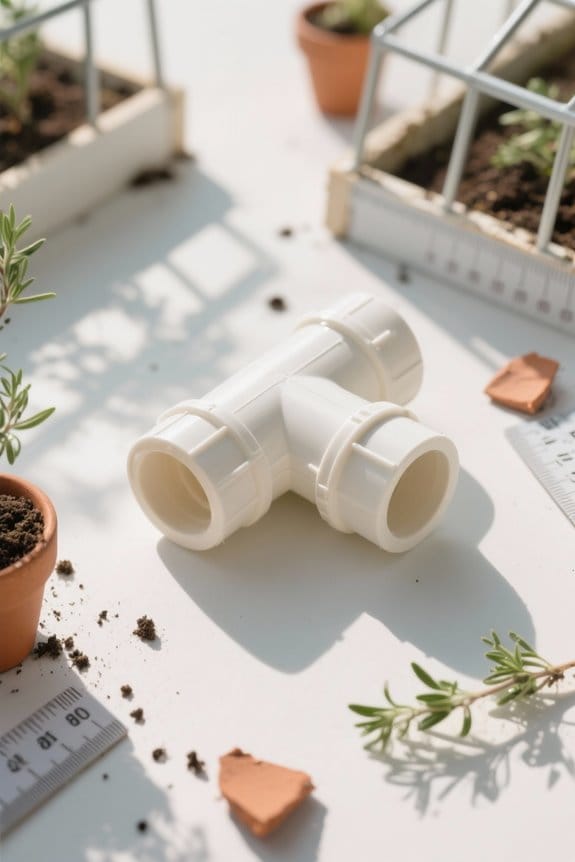
Choosing the right location for a PVC hoop house is essential, as various factors can greatly influence the success of the gardening endeavor. First, select a site that receives at least six to eight hours of direct sunlight daily, optimizing plant growth. Make certain the area has well-drained soil, which helps prevent waterlogging and protects plant health. A level site will facilitate easy access for maintenance and consistent irrigation. Additionally, position the hoop house away from tall structures or trees that may block sunlight or expose it to damaging winds. Finally, assess proximity to water sources to guarantee efficient irrigation during the growing season. Consider using soaker hoses to enhance water efficiency and ensure even distribution throughout your garden beds. These considerations form a solid foundation for establishing a thriving hoop house garden.
Determining the Size of Your Hoop House
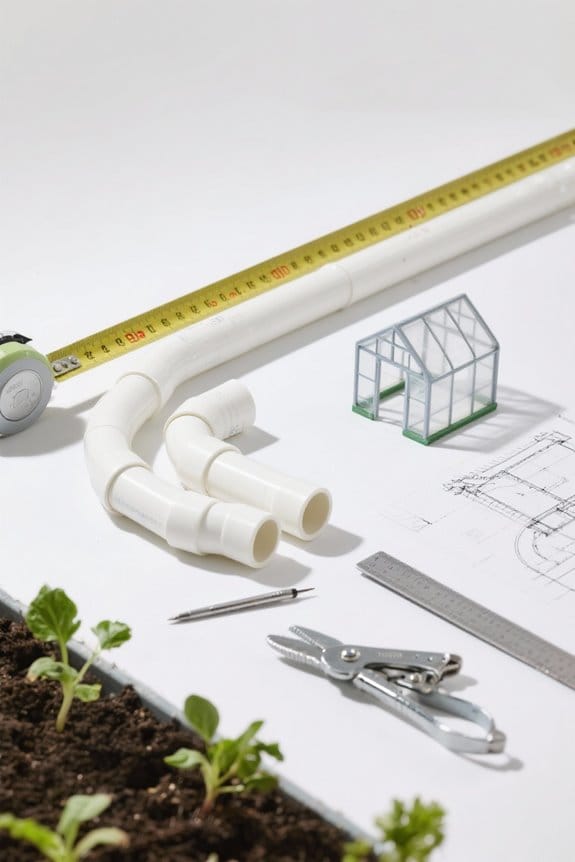
Determining the size of a PVC hoop house begins with measuring the dimensions of existing raised beds, ensuring a snug fit without overcrowding the plants. A recommended width of 10 to 12 feet allows ample space for larger plants, while a height of approximately 5 feet provides easy access and ventilation. The length of the hoop house should be based on available garden space, typically ranging from 10 to 20 feet, depending on the number of raised beds to cover. Ensuring at least 2 feet of side clearance is essential for promoting airflow and reducing humidity buildup. Careful planning of the size includes considering plants’ growth potential and the need for harvesting space, fostering sustainable gardening practices. Installing solar path lights with IP65 waterproof ratings can enhance visibility and safety around your hoop house, especially during early morning or late evening gardening activities.
Materials Needed for Construction
When planning a PVC hoop house, it is essential to gather the necessary materials to guarantee a durable and functional structure. Begin with four pieces of 10-foot lengths of 1/2 inch PVC pipe, which will function as the main structural arches. A piece of 10 feet by 16 feet, 3 mil greenhouse plastic is vital for covering the structure, ensuring a controlled environment for plants. For stability, collect scrap lumber, using either two pieces of 2 x 4 ripped into four sections or three full 2 x 4 pieces. Additional supplies include clamps (around eight) and screws in 1-inch and 2-inch sizes. To secure the frame, incorporate rebar stakes, enhancing the overall stability in varying weather conditions. Consider using Zinnia seeds pack to brighten your garden within the hoop house, as they thrive in full sun and are easy to grow.
Recommended Products
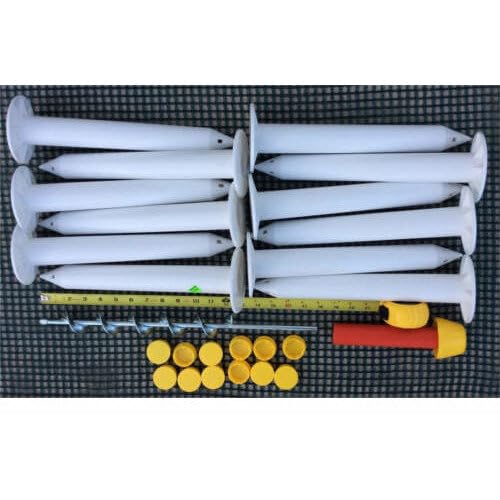
Ground Socket and Cap Kit for Pocket Fences Includes Install Tool and Auger (60 Sleeves and 60 Caps)
One auger bit, one installation tool, 60 ground sleeves, and 60 yellow caps are all that is included
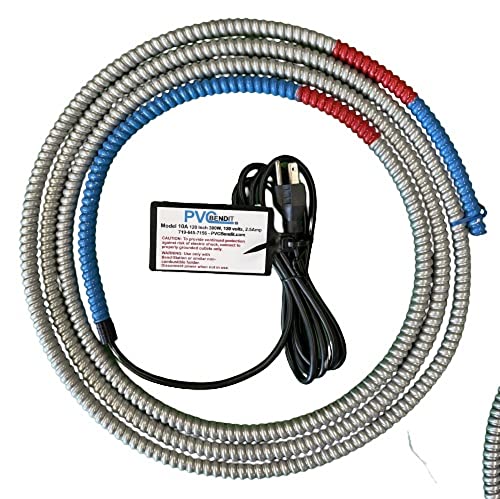
Imagine what you can make - Use the PVC Bendit to make it

Stop roof or ceiling leak damage and protect your people, equipment and inventory with the original leak diverter tarp
Hoop House Frame Materials
A sturdy hoop house frame is essential for providing support and stability to the structure, ensuring a suitable environment for plant growth. For an effective hoop house, utilize four pieces of 10-foot lengths of 1/2 inch PVC pipe as the main frame material. This lightweight and flexible option allows for easy assembly. To enhance structural integrity, consider incorporating metal pipe or V-shaped connectors, especially during inclement weather. If durability is a priority, 2 x 4 lumber can also be employed for a more robust design, providing additional support elements. Additionally, gather at least eight small clamps, along with 2-inch and 1-inch screws, to secure the plastic covering to the frame, ensuring the stability of the hoop house over existing raised beds. It’s important to consider weather resistance when building outdoor structures, as it ensures longevity and minimizes the need for frequent maintenance.
Recommended Products

TekTube UltraFlex Flexible PVC Pipe is MADE IN THE USA. It is the only NSF certified Ultra Flex PVC on the market today.

Works Great for Pools, Spas, Water Gardens and other applications. Recommended for use in wet conditions and/or where quick pressurization is desired.

FLEXIBLE PEX-A TUBING: This 1/2 inch x 500 foot PEX tubing coil is designed for hot and cold potable water systems. High flexibility allows for longer runs with fewer fittings – reducing installation time, material cost, and potential leak points.
Covering Materials
Selecting the right covering materials is a key step in constructing a functional hoop house. 3 to 4 mil polyethylene plastic is widely recommended for its ability to trap heat while allowing sufficient light to penetrate, promoting ideal plant growth. For more durability, greenhouse-grade plastic can be chosen, as it lasts multiple seasons and offers long-term cost-effectiveness. During warmer months, shade cloth can help regulate temperature and prevent overheating, which is vital for heat-sensitive crops. Additionally, integrating row covers provides extra protection against pests, while still allowing light and moisture to pass through. It is important to secure these covering materials tightly with clamps and weights, such as rocks or bricks, to prevent damage from wind and guarantee stability. For those interested in eco-friendly gardening practices, using materials made from recycled content, such as those found in some irrigation systems, can align with sustainable gardening goals.
Recommended Products
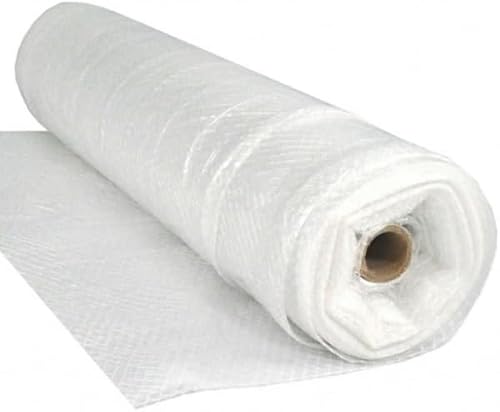
10 Mil String Reinforced Greenhouse Plastic Sheeting - Dura Skrim is a high strength, lightweight, and flexible string reinforced polyethylene plastic sheeting. Built to outperform the competition, Dura Skrim is constructed with a high-strength polyethylene film and heavy-duty scrim reinforcement, laminated together.
10 Mil String Reinforced Greenhouse Plastic Sheeting - Dura Skrim is a high strength, lightweight, and flexible string reinforced polyethylene plastic sheeting. Built to outperform the competition, Dura Skrim is constructed with a high-strength polyethylene film and heavy-duty scrim reinforcement, laminated together.
10 Mil String Reinforced Greenhouse Plastic Sheeting - Dura Skrim is a high strength, lightweight, and flexible string reinforced polyethylene plastic sheeting. Built to outperform the competition, Dura Skrim is constructed with a high-strength polyethylene film and heavy-duty scrim reinforcement, laminated together.
Additional Supplies Required
To guarantee the successful construction of a PVC hoop house, several additional supplies are necessary beyond the primary materials. At least eight pieces of 2-foot lengths of 3/4 rebar will be needed to secure the PVC hoops firmly in the ground. A heavy hammer is essential for driving the rebar into the soil, leaving one foot above the surface to support the arches. Rocks and bricks are crucial for anchoring the plastic covering, ensuring stability against weather elements. Additional fasteners, such as clamps and screws, are beneficial for securing the plastic and enhancing the structure’s integrity. Finally, safety gear, including gloves and eye protection, should always be available to promote safe assembly when working with tools and materials from local hardware stores. It is important to use organic certification materials to support sustainable gardening practices and ensure the absence of synthetic chemicals in your hoop house environment.
Recommended Products

Package Includes: you will receive 128 pieces greenhouse clamps, enough quantity to meet your daily use and greenhouse replacement needs

Fits Pipe Size OD: 1-5/8"(1.66")

Rust-proof Aluminum Construction: say goodbye to fragile plastic clamps that easily snap under the sun; Our heavy-duty greenhouse clamps are crafted from aluminum, offering superior UV resistance and lifelong durability; These greenhouse clips are designed to meet your year-round outdoor gardening needs with unmatched resilience
Step-by-Step Assembly Process
Beginning the assembly process for a PVC hoop house requires careful attention to each step to guarantee a sturdy structure. First, cut four 10-foot pieces of PVC pipe and put them into the ground on either side of the raised bed, leaving enough height for plant growth. These hoops should be secured to the raised bed with screws to confirm proper stability. If using 2 x 4 lumber, cut a ridge pole to fit across the arches and attach it securely underneath. Next, drape a 10 x 16 feet, 3 mil painter’s plastic over the arches, using clamps at both ends and screws on the sides for a tight fit. Additionally, create openings in the plastic to confirm easy access to the bed while reinforcing the edges for durability. To promote sustainable gardening practices, consider using biodegradable mulch films around the structure to enhance soil health and reduce environmental impact.
Recommended Products
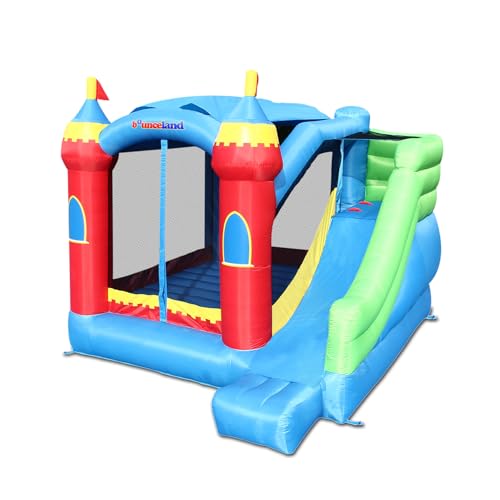
[Specification] Inflated size: L 13 ft x W 12 ft x H 9 ft, Package includes: bounce house, blower, carry bag, stakes, repair kit and instruction. Weight limit: Max weight: 500 lbs, Max individual weight: 100 lbs. Max number of kids: 5. Easy set up and take down, inflates in less than a minute. Perfect for indoor and outdoor use. Carry bag provides easy portability.
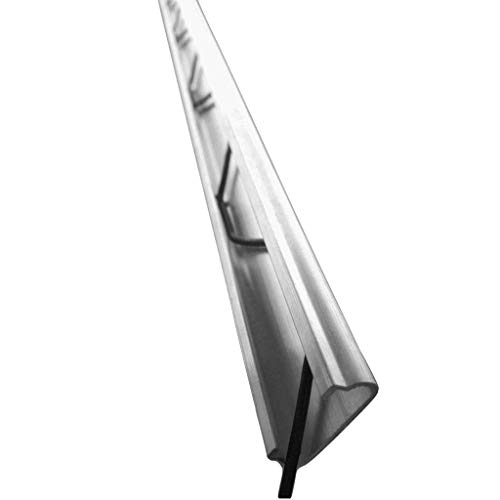
Bootstrap Farmer Spring Wire & Lock Channel 50 of Each Wiggle Locking Greenhouse Plastic Shade Cloth
High-quality, rust and maintenance-free Aluminum Alloy Lock Channel AND PVC coated Spring Wire. 6.5 ft. in length each
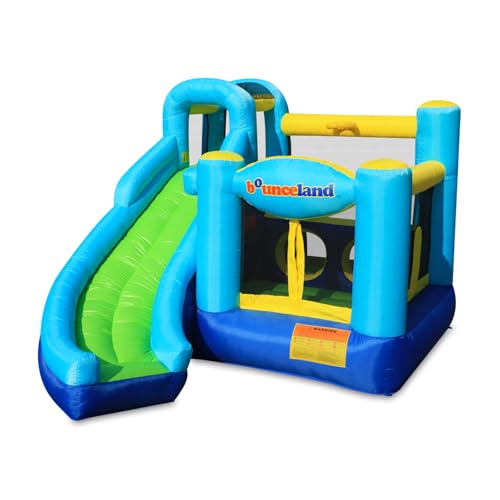
[Specification] Inflated size: L 12 ftxW 10 ft xH 8 ft, Package includes: bounce house, blower,30 colorful play balls, carry bag, stakes, repair kit and instruction. Weight limit: Max weight: 400 lbs, Max individual weight: 100 lbs. Max number of kids: 4. Easy set up and take down, inflates in less than a minute. Perfect for indoor and outdoor use. Carry bag provides easy portability.
Seasonal Considerations for Hoop Houses
While constructing a PVC hoop house, it is vital to take into account the seasonal changes that can impact plant growth and overall functionality. For ideal performance, gardeners should consider a hoop house height of at least 5 feet, allowing for taller crops while facilitating the use of row covers in colder months. Seasonal adjustments, such as employing shade cloth for unexpected heat and high-mil greenhouse fabric for added insulation, effectively safeguard plants. Proper ventilation is essential; cutting access points in the plastic covering enables airflow during warm days, maintaining favorable conditions. Regular maintenance, including removing and properly storing greenhouse plastic, extends the lifespan of the high tunnel and guarantees ongoing effectiveness in changing climates.
Planting and Crop Compatibility in Your Hoop House
How can gardeners maximize the potential of their hoop houses through careful crop selection? Selecting the right plants for a hoop house can enhance productivity. Cold-tolerant crops like spinach, lettuce, and kale thrive in the controlled environment, allowing for early spring planting and extended growth into fall. Conversely, heat-loving plants, such as tomatoes, peppers, and cucumbers, flourish during the warmer months, maximizing summer yields. Effective maintenance is possible due to the hoop house design, which promotes air circulation and accessibility to the raised beds. Additionally, utilizing row covers within the hoop house can protect vulnerable crops from pests and adverse conditions, ensuring healthier plants. Gardeners should consider seasonal variations and the hoop house’s insulating properties for ideal harvests.
Frequently Asked Questions
What PVC to Use for Hoop House?
For hoop houses, using 1/2 inch PVC types guarantees adequate strength and flexibility. For enhanced durability, particularly under severe weather, consider 3/4 inch options. Always prioritize UV resistance to improve longevity and effectiveness, following DIY tips.
How to Build PVC Garden Hoops?
In the garden’s embrace, PVC hoops rise like graceful arches. Employing precise hoop construction techniques, the gardener considers appropriate sizing, securing methods, and seasonal adjustments to guarantee resilient structures sheltering vibrant life beneath their protective canopies.
Is PVC Safe for Raised Garden Beds?
PVC materials are generally safe for raised garden beds, as they do not leach harmful chemicals into the soil. Ensuring high-quality, UV-resistant options promotes ideal soil health and supports healthy plant growth throughout the gardening season.
What Are the Disadvantages of Hoop Greenhouses?
Hoop greenhouses face disadvantages including poor temperature control, susceptibility to high wind causing structural integrity issues, and installation challenges, which may complicate their effectiveness in maintaining suitable growing conditions, particularly in extreme weather environments.