As an Amazon Associate, we earn from qualifying purchases. Some links on this site are affiliate links at no extra cost to you. Our recommendations are based on thorough research and editorial judgment.
Wiring a Multi-Zone Sprinkler Controller: A Beginner’s Guide

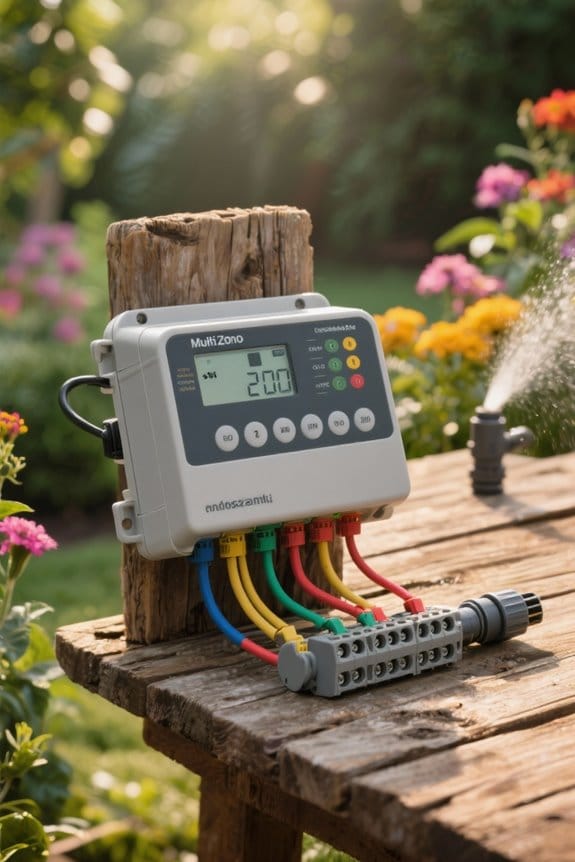
Wiring a multi-zone sprinkler controller requires careful connections of valve solenoids to color-coded wires and linking common wires securely. Use 16-gauge or 18-gauge multi-colored wires for solenoid connections, burying them at least six inches deep. Turn off the water supply and unplug the controller to guarantee safety. After connecting, test the system’s functionality by running a cycle for each zone and check for even water distribution. Additional instructions and details on troubleshooting are available for better understanding.
Key Takeaways
- Identify and color-code the wires for each zone and the common wire to simplify the wiring process for your sprinkler controller.
- Use waterproof connectors filled with silicone to ensure secure and weather-resistant connections between the solenoid and controller wires.
- Always turn off the main power supply and water supply before starting the wiring to prevent electrical shock and leaks.
- Test each zone after wiring by running a full system cycle to confirm proper water distribution and functionality of all components.
- Regularly inspect and maintain connections, valves, and wires to enhance performance and extend the longevity of your irrigation system.
Understanding Sprinkler Valve Components
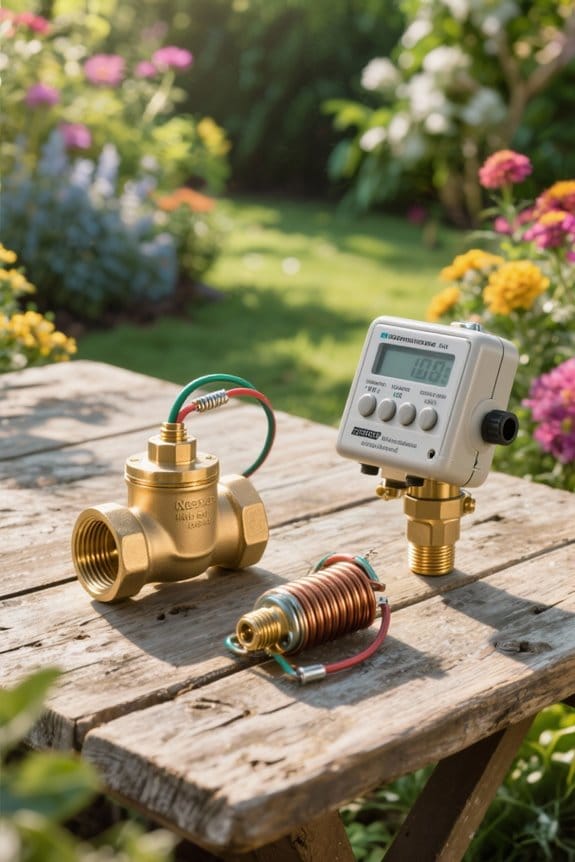
Sprinkler valves serve as critical components in the irrigation system, controlling water flow to various zones throughout a landscape. Each valve features a solenoid, which is an electromagnet responsible for opening or closing the valve when electrical current flows through specific solenoid wires. Typically, one wire connects to a common wire, often white, while the second wire corresponds to a specific zone via a colored wire. This configuration allows for precise control of water delivery, ensuring adequate moisture levels in designated areas. Regular inspection of the valve components is essential, where owners should check for debris or damage. Proper maintenance can greatly enhance the valve’s efficiency and the overall lifespan of the irrigation system. Effective water-saving design in advanced irrigation systems helps in reducing water wastage and ensuring that the moisture is delivered directly to plant roots.
Tools and Supplies Needed for Wiring
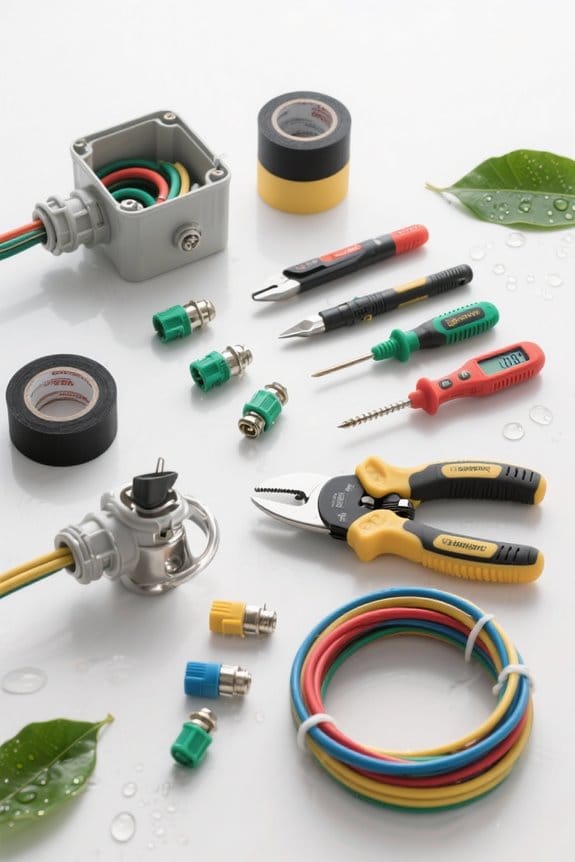
When beginning the wiring process for a multi-zone irrigation system, what tools and supplies are essential to guarantee a successful installation? Essential tools include wire strippers for accurately preparing connections and waterproof connectors to guard against moisture damage. The multi-colored wire, commonly 16-gauge or 18-gauge, connects the solenoids from the valves to the irrigation controller, with white wire designated for the common connection. It is advisable to bury the wire underground at least six inches deep, and secure it to irrigation pipes for protection. Waterproof connectors filled with silicone are vital to seal wire connections, preventing water intrusion. Finally, having a quality irrigation controller and a multimeter for troubleshooting continuity issues is equally important for an effective setup. Using UV-resistant hoses can help prevent degradation from sunlight exposure, ensuring the longevity and effectiveness of your irrigation system.
Recommended Products
Sturdy and Elegant Design: Our patio furniture cover is constructed with a robust metal frame and polycarbonate panels. This Patio Cover Canopy is the best choice for patio furniture set covers.

THOUGHTFUL ENGINEERING THAT OFFERS YEAR ROUND PROTECTION - Virtually unbreakable 8 mm multi-wall polycarbonate roof panels are naturally immune to 100% of harmful UV rays and allow for 65% light transmission.

Industry Standard Performance - Corning UY2 connectors deliver professional-grade reliability with innovative wire insulation displacement technology that creates dependable electrical connections every time. Trusted across networking and telecom industries.
Safety First: Power Off Procedures

Before proceeding with the wiring of a multi-zone irrigation system, safety measures must be prioritized. First, it is essential to unplug the irrigation controller to eliminate the risk of electrical shock. Next, turning off the power supply to the entire sprinkler system adds an additional layer of protection. This involves checking the main power source and ensuring all switches are off. Subsequently, shut off the water supply to prevent leaks that can complicate the wiring process. Finally, confirm that all systems are completely powered down by inspecting the controller for any active signals or lights. Following these shutdown procedures will minimize risks and promote safe handling of electrical components during installation. Additionally, consider the durability against outdoor elements when selecting components, as this enhances the longevity and reliability of the system.
Connecting Valve Solenoids to Color-Coded Wires
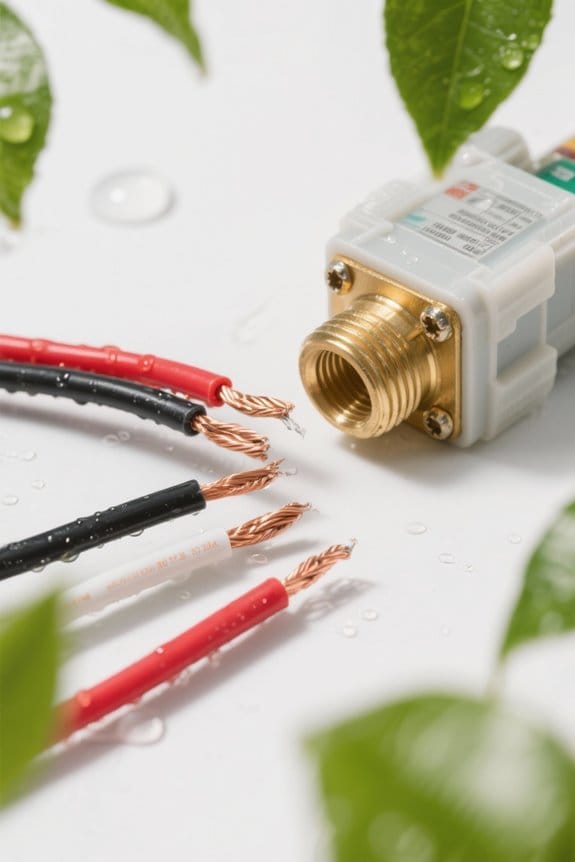
Connecting valve solenoids to color-coded wires is an essential step in establishing a reliable multi-zone sprinkler system. Each solenoid has two wires, one designated for a common connection and the other for a specific zone, following a color-coding system. To prepare these wires, strip the outer sheathing to expose the copper, ensuring a clean surface for the connection. Use twist-on wire connectors to securely join each solenoid wire to the corresponding color-coded wire from the irrigation controller. The common wire is typically white and connects to one lead of all solenoid wires. It is important to document the wiring designations, as color-coded wires enhance identification during maintenance or troubleshooting, providing efficiency in future repairs. In gardening, using non-GMO heirloom seeds ensures biodiversity and supports beneficial insects, similar to how establishing a well-organized sprinkler system maintains a healthy garden landscape.
Recommended Products

Operates up to 6 individual automatic irrigation valves - Fully waterproof; mount inside a valve box or direct burial

💧 Smart Design: A two-piece structure with a 4-zone wireless valve controller and a 4-zone valve & flow meter unit. Four built-in valves and flow meters ensure precise control and monitoring of water usage across multiple garden zones

For controlling the flow of water in sprinkler or drip irrigation zones; 24 VAC solenoid includes manual actuation with a twist of the solenoid
Linking Common Wires to Solenoids
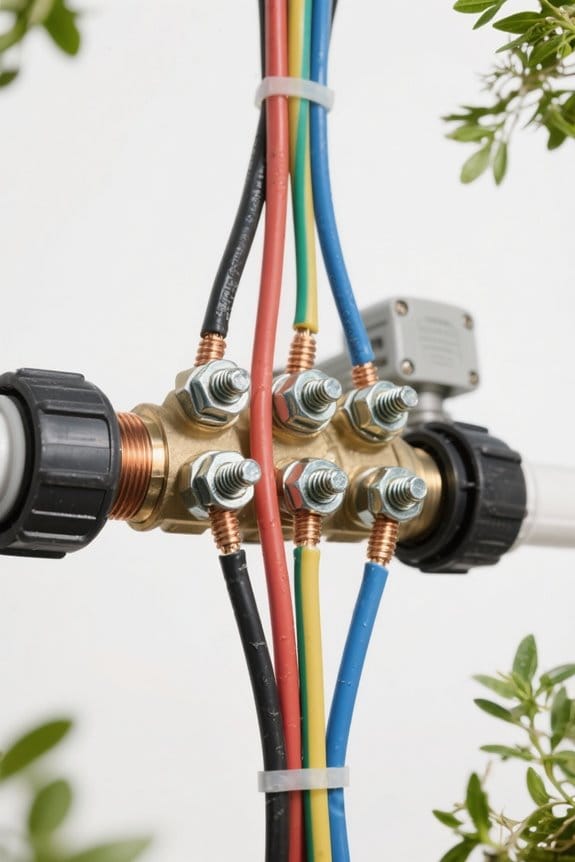
Linking common wires to solenoids forms a critical step in the multi-zone sprinkler system setup. Each valve solenoid typically features two wires; one must connect to a common white wire. This common wire allows the controller to signal all connected solenoids effectively. To establish this wire connection, use wire strippers to prepare the end of the common wire, ensuring cleanliness for a secure twist with the solenoid wire. After twisting, secure this connection with a waterproof wire nut to prevent moisture from affecting electrical integrity. In addition, it is advisable to document the wire color designations for future maintenance and troubleshooting, ensuring a straightforward process for any necessary repairs or adjustments to the system. It is important to choose solenoids rated for at least one million cycles to ensure high reliability and longevity in your sprinkler system setup.
Recommended Products

10-Pack (100 total Pieces) Orbit 57505W Direct Burial Waterproof Grease Tube with Sprinkler Wire Nut
Waterproof wire connectors are ideal for 24 VAC solenoids in valve boxes
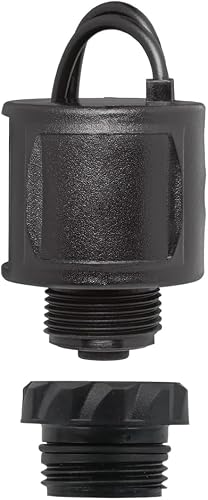
Stainless steel rod, copper core, insulated lead wires, and waterproof resin casing Compatible with valves from Orbit, Hydro-Rain, and other major brands See compatibility chart for solenoid interchangeability of various valves

Replaces most 24V sprinkler valves from Orbit, Hydro-Rain, and major brands Stainless steel parts and waterproof casing stand up to weather and years of use Standard fit for most valve systems; check our compatibility chart below if unsure
Protecting Connections With Waterproof Caps
Ensuring all wire connections are properly sealed with waterproof caps is essential for the durability and reliability of an irrigation system. Each splice should utilize a waterproof connector, ideally filled with silicone to further prevent water damage or corrosion. These connections must be secure to protect the system’s integrity, so it is important to trim any excess metallic tips for a snug fit. Waterproof caps should be employed for all solenoid connections, as well as for the common white wire, ensuring extensive protection. By adequately covering all connections with waterproof caps, the risk of corrosion is considerably reduced. This helps prolong the lifespan of the electrical components, ensuring the effective operation of the irrigation system across seasons. Using pressure compensating drippers can also help maintain consistent water flow rates and reduce potential damage due to fluctuating water pressure.
Recommended Products

UL listed waterproof wire connectors: All Dicio landscape wire connectors have received UL and CE certifications. You can find the certification logo on every Dicio wiring connectors. Dicio weatherproof wire connectors are filled with silicone sealant, which is designed for the waterproof feature.

SET AND FORGET WATERING WITH SMART TIMER: Program your ideal schedule by time, frequency, and duration. Rain Delay mode (1–15 days) automatically pauses watering during rainfall and resumes your custom plan afterward. Includes child lock for safety. Note: Timer requires 2 AA batteries (not included)—please install before setup

PROFESSIONAL CONTRACTOR GRADE : ONE STOP OUTDOOR - American owned and operated company
Connecting Wires to the Irrigation Controller
To successfully connect wires to the irrigation controller, one must start by identifying the components and layout of the system. The common wire, typically white, connects to the terminal labeled (C or Com) on the controller, providing a vital signal for operation. Each valve’s colored wire corresponds to its specific zone; these should be attached to their respective numbered zone terminals on the controller for precise management of the sprinkler system. Proper wiring is essential, as the controller operates on a 24-volt power supply. Ensuring connections are secure and utilizing waterproof wire connectors will help prevent moisture-related issues. A well-connected system enhances reliability, safeguarding against disruptions that could compromise irrigation effectiveness. For optimal performance and protection of the irrigation system, incorporating an anti-siphon valve is essential to prevent backflow contamination and ensure compliance with safety standards.
Recommended Products
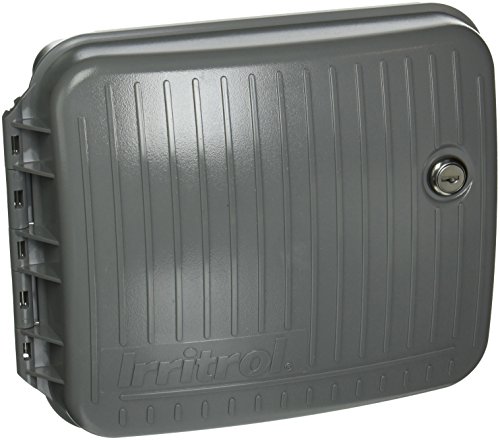
Climate Logic compatible - Turn the Total Control into a weather-based controller using an on-site wireless weather sensor

24-STATION WIFI SMART SPRINKLER CONTROLLER: Take full control of up to 24 irrigation zones with this WiFi-enabled smart sprinkler controller. Perfect for large homes, estates, and commercial properties, manage your watering system remotely with the Hydrawise app or web portal from anywhere in the world.

DECODER MODULE: Underhill TW-ICC-48 Decoder Module converts irrigation controllers to 2Wire operation on automatic sprinkler systems. From a trusted USA-based company.
Testing the System for Proper Functionality
How can one confirm the proper functionality of a multi-zone sprinkler system after wiring the controller? Begin by running a test cycle for each zone, verifying that the water flow is adequate and even across all sprinkler heads. Check the controller settings to verify that each zone is programmed correctly and activated. Monitoring for uniformity will help identify dry spots or leaks during testing the system for proper functionality. If specific zones do not operate as expected, use a multimeter to check continuity in connections. Additionally, inspect all wire connectors to protect them from damage; verify that the common wire will connect securely. This thorough testing will help confirm the efficiency of the newly wired system. Open pollinated seeds allow for seed saving and replanting each year, which is an essential practice for sustainable gardening.
Troubleshooting Common Wiring Issues
After successfully testing the system for proper functionality, attention must be directed towards troubleshooting common wiring issues that may arise in a multi-zone sprinkler system. If one zone remains dry while others operate normally, inspect for loose or damaged connections in that zone’s wiring. When all zones fail to activate, the main common wire or incorrect timer settings may be the culprit. Utilizing a multimeter to test continuity guarantees no breaks or faults are present. Moisture damage can also lead to electrical failures; consequently, using waterproof wire nuts is advisable. Additionally, regularly inspect and clean the irrigation valve solenoids, as debris or corrosion can hinder their performance. Each connection should have an appropriate connector for peak operation. Consider using UV-resistant plastics in your irrigation system to enhance its longevity and performance against environmental factors.
Frequently Asked Questions
Can One Sprinkler Valve Control Multiple Zones?
One sprinkler valve cannot control multiple zones due to valve capabilities. Proper zone selection requires each zone to have its own valve, ensuring simultaneous operation and adequate water pressure for effective irrigation of differing areas.
What Is the Color Code for Sprinkler System Wire?
What colors are essential for properly wiring your sprinkler system? Sprinkler wire types typically include white for common, red, blue, yellow, and green for zones, requiring specific irrigation wire gauge and strict wiring safety tips for troubleshooting issues.
How to Connect Solenoid Valves to Controller?
To connect solenoid valves to the controller, follow wiring diagram examples, ensuring correct connections for different solenoid valve types. Integrate rain sensors and troubleshoot solenoids as needed for ideal system performance and reliable operation.
How to Connect Multiple Sprinkler Heads?
Connecting multiple sprinkler heads resembles assembling a puzzle, requiring precise zone layout planning, consideration of sprinkler head types, and water pressure. Regular system maintenance tips guarantee peak performance, preventing leaks and enhancing the landscape’s beauty.