As an Amazon Associate, we earn from qualifying purchases. Some links on this site are affiliate links at no extra cost to you. Our recommendations are based on thorough research and editorial judgment.

Maintenance Checklist for Spring Startup of Your Timer System

A thorough maintenance checklist for spring startup includes timing the activation to late April, ensuring soil is fully thawed to 12 inches deep. Essential tools are a water pressure gauge, flathead screwdrivers, and pliers. Inspect for common winter damage such as cracked pipes and leaky valves, while keeping replacements like nozzles handy. Regularly clean timers and monitor systems for efficiency. These practices enhance performance and longevity. Learning about the programming of controllers can further improve irrigation effectiveness.
Key Takeaways
- Inspect the entire irrigation system for winter damage, focusing on cracked pipes and misaligned sprinkler heads.
- Ensure soil is completely thawed to at least 12 inches deep before starting the system.
- Use tools like a water pressure gauge and screwdrivers to check and adjust system components.
- Clean the timer and irrigation controller to remove dust, ensuring consistent functionality.
- Monitor local frost guidelines to determine the safe timing for system activation.
Importance of Spring Irrigation System Startup
Why is the spring startup of an irrigation system so vital? The startup process protects investments from damage incurred during winter dormancy by ensuring that all components are functioning effectively. Proper inspection of the irrigation system is important, as nearly 80% of systems require minor repairs post-winter. This startup also enables adequate watering during peak growth periods, maintaining landscape health and preventing costly issues, such as water hammer and frozen components. Additionally, an operational irrigation system improves efficiency and prolongs its lifespan. Ensuring ideal water pressure, ranging from 45 to 75 PSI, facilitates effective watering. Typically, starting this process in late April in Massachusetts is recommended to avoid damaging critical components like backflow preventers. Incorporating a 360 adjustable drip system can enhance water distribution and reduce dry spots during spring irrigation startup.
Timing and Weather Considerations

Timing for the startup of an irrigation system is influenced by both soil conditions and weather forecasts. It is essential to guarantee that the soil is completely thawed to at least 12 inches below the surface. In Massachusetts, the typical safe period for starting irrigation systems is mid to late April, when temperatures consistently rise, and frost risk diminishes. Regularly monitor the local weather forecast for nightly temperatures that could fall below freezing before activation. To prevent damage to backflow preventers and other components, patience during the startup process is critical. Understanding local frost guidelines will help determine the ideal timing for your irrigation system, protecting it against potential winter-related damage and guaranteeing efficient operation throughout the spring season. Incorporating weather adaptability features in your irrigation system can further enhance its efficiency by automatically adjusting watering schedules based on current weather conditions.
Essential Tools for Startup
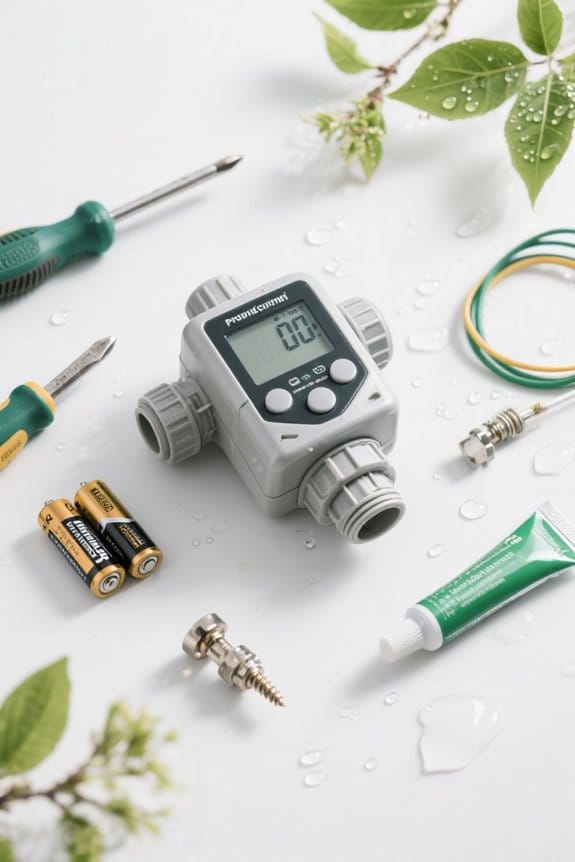
Starting an irrigation system requires a selection of essential tools that facilitate efficient operation and maintenance. A water pressure gauge is important, as it checks system pressure, ensuring it stays within the ideal range of 45-75 PSI. Flathead screwdrivers are necessary for adjusting sprinkler heads and valves, providing proper water distribution. Additionally, pliers help tighten caps and components, minimizing leaks throughout the system. Flags or markers can identify problem areas during the inspection process after startup, enhancing troubleshooting efficiency. Keeping a supply of replacement nozzles on hand is essential for quickly repairing damaged or clogged sprinkler heads, ensuring effective watering continues. These essential tools help maintain the irrigation system’s performance and longevity. It’s also important to ensure that your sprinkler timer models are functioning correctly, as common issues such as faulty programming or power supply can affect overall irrigation efficiency.
Recommended Products

The Grundfos CMBE booster pump is a high-performance, energy-efficient solution for various water supply needs. At its core is a powerful 1 HP MGE frequency-controlled permanent-magnet motor that operates on 115V, drawing a maximum of 8 amps. Highly efficient the motor delivers impressive performance, with a flow rate of 16.3 GPM, maximum pressure of 145 PSI, total head lift of 161 feet, and a suction head of 23 feet.

Remote app control from your phone for all functions

4 roller, 7 GPM pump with adjustable pressure (up to 150 PSI) and dependable 160cc Honda GX160 engine
Step-by-Step System Startup Process

After gathering the necessary tools for startup, practitioners should follow a systematic approach to initiate the irrigation system. Begin with a thorough visual inspection of components, checking for cracks or leaks in the backflow preventer and valve boxes. Next, slowly restore water flow by opening the main valve over a 30-60 second period to avoid water hammer. Manually activate each zone through the controller, confirming proper operation and identifying any issues, such as clogged or misaligned sprinkler heads. Verify that water pressure remains within the ideal range of 45-75 PSI. After flushing each zone and addressing any concerns, reprogram the controller for seasonal watering schedules that align with current landscape needs, ensuring efficient irrigation throughout the season. Many smart sprinkler timers use real-time weather adjustments to enhance irrigation management, ensuring optimal water usage efficiency.
Recommended Products

The Roam XL is as powerful as they come and features a simple user interface with 128 different programmable addresses
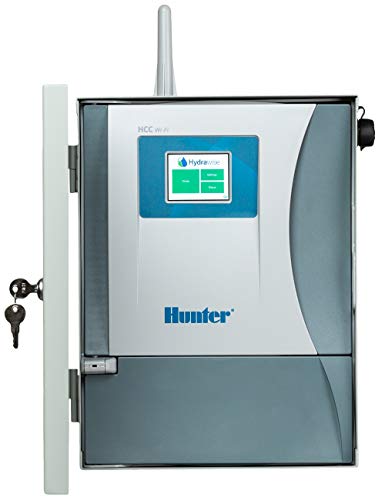
Wi-Fi enabled for quick connection to Hydrawise software.
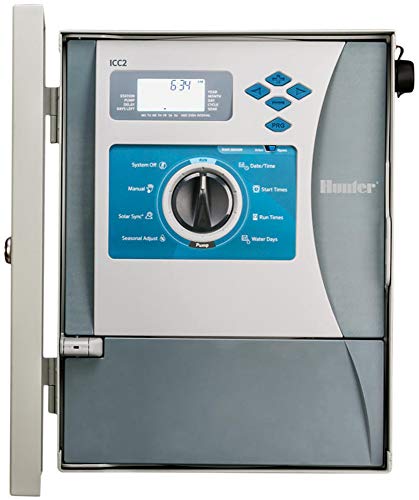
Hunter I2CF-800M I2C-800M Residential or Commercial Timer. Now with Built-in flow monitoring for smart water savings With optional Flow Sync sensor. Requires HFS Flow-Sync Sensor or WFS Wireless Flow Sensor Kit and FCT fitting for pipe installation.
Common Winter Damage Risks and Signs

Many irrigation systems are at risk of winter damage due to several environmental factors. Freeze-thaw cycles can lead to cracked pipes, which may necessitate costly repairs during spring startup. Approximately 80% of systems show minor damage after winter, making inspections essential. Additionally, snow plows and winter activities often harm sprinkler heads, resulting in misalignment or breakage, which impacts water distribution. Leaky valves may also indicate problems, with visible puddles around valve boxes being common signs. Moreover, ground movement from frost heave can shift components, leading to obstructions that result in uneven watering when activating the springtime sprinkler system. Addressing these issues promptly can enhance efficiency and minimize repair expenses. Additionally, smart timers like Orbit B-hyve XD can help optimize irrigation by using local weather data, reducing the risk of overwatering and conserving water.
Essential Maintenance Practices
Ensuring ideal performance of the irrigation timer system involves implementing essential maintenance practices that contribute greatly to its reliability. Regular inspections of the timer and irrigation controller are critical, confirming that all settings are accurate and operational for efficient watering schedules. Cleaning the timer regularly, and removing debris such as dust or cobwebs, enhances functionality and prevents malfunctions. It is advisable to replace the backup battery in the timer every six months to maintain memory settings, thereby preventing loss of programmed schedules during power outages. Including safety features such as latches and locks can prevent accidental changes to the settings, ensuring continuous and accurate operation. Scheduling routine maintenance checks will help identify any irregularities or wear that could lead to irrigation issues. Finally, keeping accurate logs of maintenance and adjustments assists in troubleshooting and optimizing performance in subsequent seasons.
Professional Help and Service
Engaging professional help can considerably enhance the operation of an irrigation timer system, especially during the startup phase. Hiring experienced technicians can save time, as they verify that all components are properly checked and functioning. These professionals possess specialized knowledge, enabling them to quickly identify issues that homeowners might overlook. Furthermore, professional services often carry common repair parts on their trucks, facilitating quick fixes during the startup process. Regular maintenance by professionals not only enhances system efficiency but also minimizes the likelihood of costly repairs stemming from neglect. Seeking expert assistance is advisable, particularly when significant issues arise or for ongoing maintenance, to guarantee peak performance throughout the irrigation season. Many timers offer features like rain delay options, which prevent overwatering and help conserve water.
Recommended Products

Complete 3-in-1 Solution: Single unit combines filter, 30 PSI pressure regulator, and Drip-Lock adapter in one compact design; eliminates multiple connection points that can leak

NSF CERTIFIED FOR POTABLE WATER - Safe for drinking water applications in homes and commercial buildings.

SEAMLESS COMPATIBILITY WITH HUNTER CONTROLLERS: Designed for effortless integration with Hunter X-Core, Pro-C, PCC, I-Core, and ACC irrigation timers using the SmartPort connector. Quick, secure installation with no rewiring and no guesswork.
Fine-Tuning for Peak Efficiency and Water Conservation
Fine-tuning an irrigation timer system is crucial for maximizing efficiency and conserving water, particularly during varying weather conditions. Implementing seasonal adjustments in the watering schedule can reduce water usage by up to 30% in high precipitation periods. Utilizing smart irrigation controllers enables automatic adjustments based on real-time weather data, optimizing water use and landscape health. During spring months, delivering 50-70% of the summer watering schedule encourages strong root growth while emphasizing water conservation. Additionally, regular monitoring and adjustments of irrigation settings guarantee plants receive appropriate water. Grouping plants with similar watering needs further enhances irrigation efficiency, allowing for savings of up to 15% by preventing over or under-watering. These practices contribute remarkably to effective sprinkler system functionality. A pressure-compensating design ensures uniform water distribution, aiding in the consistency of water delivery across different garden areas.
Recommended Products

BACKFLOW PREVENTION: The Febco Lead-Free Bronze Double Check Valve Backflow Preventer Assembly is ideal for non-health hazard applications in continuous-pressure piping systems, at cross-connections and at service line entrances. It is designed to prevent the backflow of polluted water from entering into the potable water supply due to back-siphonage and/or backpressure.
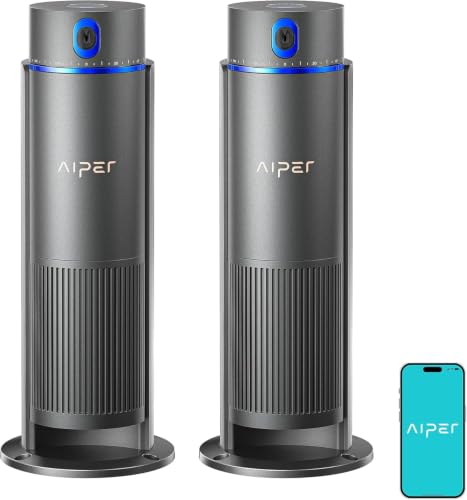
4-in-1 Smart Irrigation System & 15-Minute Setup: IrriSense 2 lawn sprinkler combines a controller, sprinkler, electric valve, and nutrient feeder into one smart system. Replace multiple devices with an easy 15-min installation process

BACKFLOW PREVENTION: The Febco Bronze Pressure Vacuum Breaker Backflow Preventer Assembly provides the ultimate mechanical protection of potable water against cross-connection contamination hazards. It is used to protect against health hazard and non-hazard back-siphonage of toxic or non-toxic liquids and meets the specifications of the USC FCCCHR Manual.
Programming Your Controller for Spring Conditions
To effectively program an irrigation controller for spring conditions, individuals should begin by setting the current date and time accurately, which is essential for the system to function based on seasonal needs. Next, they should create a watering schedule that incorporates shorter run times to align with cooler temperatures and decreased evaporation rates. It is advisable to use the seasonal adjust feature, scaling back watering durations by 50-70% from summer settings. Additionally, checking water pressure is fundamental to guarantee peak performance and efficiency. After reprogramming, regular testing of the controller’s automatic function is necessary to confirm all settings are correct and that the system is primed for effective water supply management throughout the spring. Many smart watering controllers utilize weather intelligence features to automatically adjust irrigation schedules based on real-time weather data, promoting water conservation and ensuring optimal watering efficiency.
Recommended Products
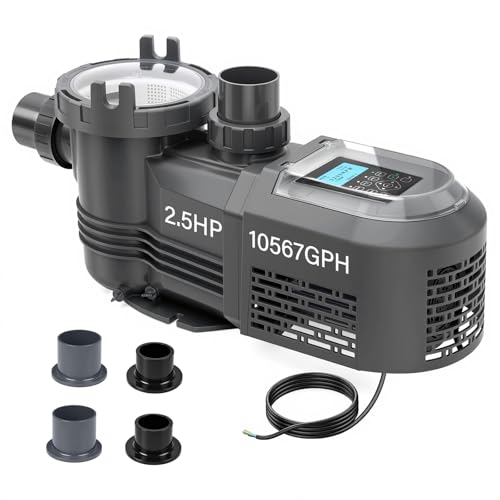
【Powerful Circulation for Medium & Large Pools】Excellent Performance 2.5HP Variable Speed Pool Pump – designed for both above-ground and in-ground pools. Delivers strong, efficient water circulation suited for medium to large pools, thanks to its permanent magnet motor and precision impeller. Achieves a maximum flow rate of 10567 GPH while saving energy.
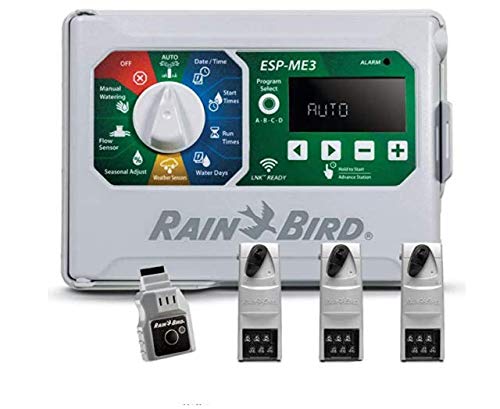
With 4 to 22 stations, the ESP-ME3 provides the station count options customers need. Install the same controller on residential and light commercial sites. Add station modules when expanding irrigation without removing or even powering down the controller.

Climate Logic ready - Automatically reschedules Rain Dial-R watering based on the weather
Frequently Asked Questions
How to Start up a Sprinkler System in Spring?
To start up a sprinkler system in spring, one must perform sprinkler system preparation, apply winterization techniques, and make necessary seasonal adjustments. This guarantees peak performance and prevents damage from residual winter conditions.
What Is the Maintenance Schedule for a Sprinkler System Onboard?
Like a gardener nurturing seeds, meticulous maintenance guarantees a thriving sprinkler system. Regular repairs and timely battery replacements enhance irrigation efficiency, while precise timer programming guidance aligns with nature’s rhythms, fostering vibrant landscapes throughout the growing season.
How Do You Restart Your Sprinkler System After Winter?
To restart a sprinkler system after winter, conduct a system inspection, perform a valve check to prevent water hammer, and adjust the timer settings to align with seasonal requirements for ideal performance and efficiency.
What Is the Proper Maintenance of a Sprinkler?
Proper maintenance of a sprinkler involves regular inspections and cleaning of heads, testing zones for coverage, checking water pressure, and replacing worn components. These sprinkler maintenance tips guarantee effective seasonal sprinkler care and ideal irrigation system upkeep.