As an Amazon Associate, we earn from qualifying purchases. Some links on this site are affiliate links at no extra cost to you. Our recommendations are based on thorough research and editorial judgment.

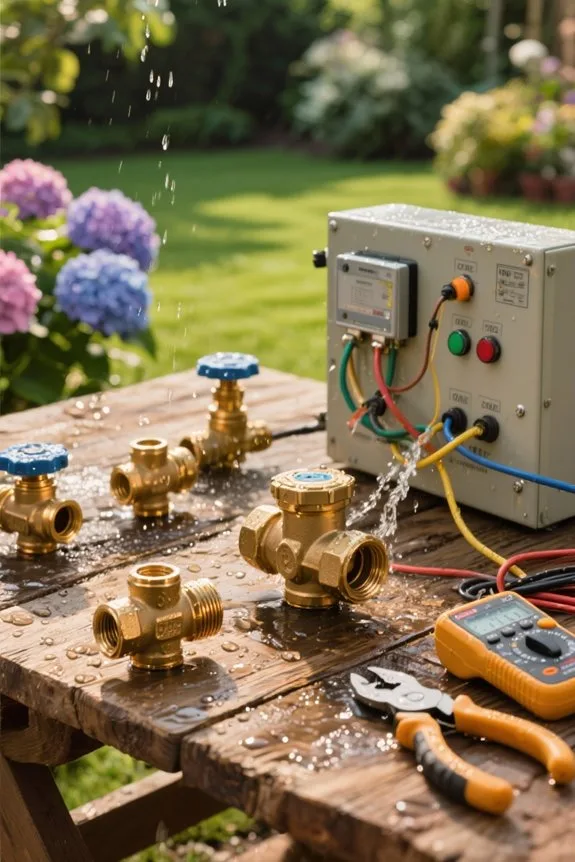
Diagnosing Why One Zone Won’t Turn Off on Your Sprinkler System

A zone that won’t turn off in a sprinkler system can indicate several issues. First, check for a stuck valve that may be open because of debris or mechanical failure. Next, inspect the electrical connections and controller settings for malfunctions, ensuring they are not sending continuous power to the zone valve. Additionally, examine the solenoid and diaphragm for wear or damage. Regular maintenance, including cleaning and inspection, is essential to prevent these problems. Further details can help isolate the issue.
Key Takeaways
- Check if the zone valve is stuck open due to debris or mechanical failure, preventing closure.
- Inspect the electronic controller for faulty settings or accidental power signals to the zone valve.
- Test the solenoid and actuator for constant power issues, which may keep the valve activated.
- Examine the diaphragm in the zone valve for wear or damage that could affect its sealing ability.
- Look for moisture in electrical connections, which can cause short-circuits and unintended zone activation.
Understanding Sprinkler System Mechanics
Understanding the mechanics of an in-ground sprinkler system is vital for effective irrigation management. This system is composed of water supply pipes, valve boxes, and multiple irrigation zones—each controlled by a zone valve. These zone valves include components like diaphragms and solenoids, which collaborate to regulate water flow, activated by electrical signals from an electronic controller. Regular wear can impact these mechanical parts, causing issues, such as valves becoming stuck. Additionally, electrical connections and solenoid functionality are significant; any faults here can prevent zones from properly responding. Anti-siphon devices may be integrated to guarantee water supply contamination is prevented. Together, these elements contribute to a well-functioning sprinkler system designed for efficient water management across distinct zones. Selecting weather-resistant, high-quality materials for your irrigation system components can also significantly increase the system’s longevity and performance.
Common Causes of Continuous Zone Activation
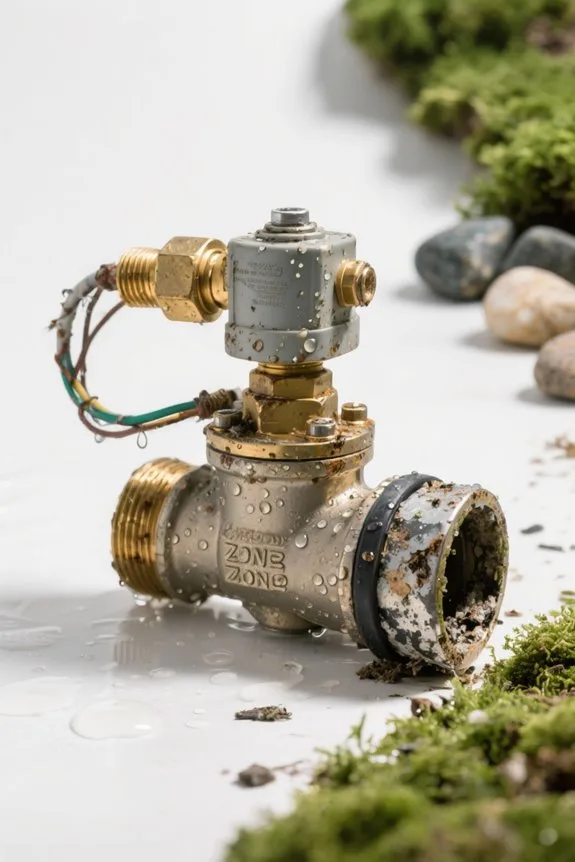
Continuous zone activation is a common issue that can disrupt the proper functioning of an in-ground sprinkler system. Several factors may contribute to this problem. A valve stuck open, due to debris or mechanical failure, allows continuous flow into a sprinkler zone. Additionally, malfunctions in the controller can inadvertently send power to the zone valve, keeping it activated. The actuator’s broken or weak spring may also prevent closure, causing ongoing operation. Moreover, issues with the rubber membrane in the zone valve can lead to leaks or inadequate sealing. Ultimately, a malfunctioning master valve or pump might trigger unintended activation of one or more zones, complicating the irrigation routine and necessitating immediate attention. In some cases, using UV-resistant materials can enhance the system’s durability and reduce the risk of mechanical failures caused by environmental factors.
Recommended Products

BACKFLOW PREVENTION: The Febco Bronze Pressure Vacuum Breaker Backflow Preventer Assembly provides the ultimate mechanical protection of potable water against cross-connection contamination hazards. It is used to protect against health hazard and non-hazard back-siphonage of toxic or non-toxic liquids and meets the specifications of the USC FCCCHR Manual.

BACKFLOW PREVENTION: The Febco Bronze Y Pattern Reduced Pressure Zone Backflow Preventer Assembly provides the ultimate mechanical protection against cross-connection contamination hazards. It is specifically designed to prevent the reverse flow of high-hazard (toxic) fluids found in the water from contaminating potable water systems due to back-siphonage.
Bronze body with NPT end connection.
Troubleshooting Electrical Issues
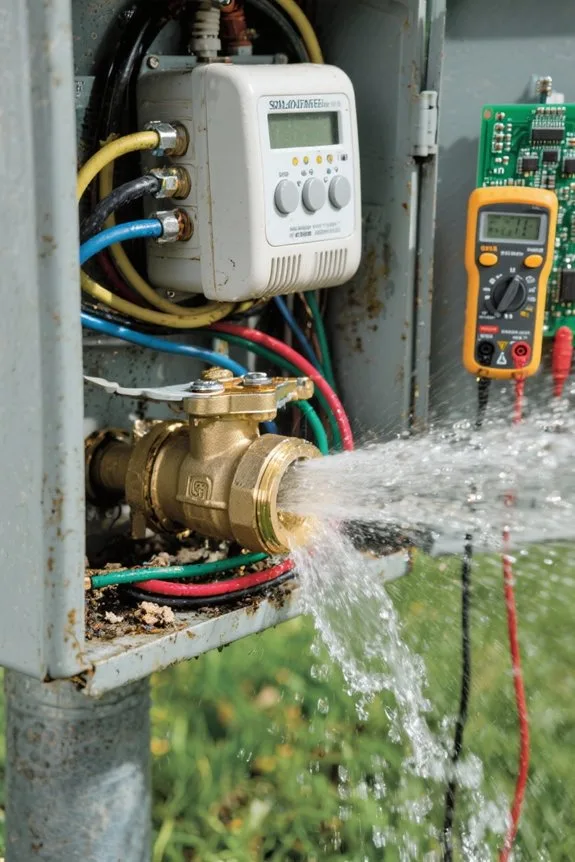
When troubleshooting electrical issues in a sprinkler system, taking a systematic approach can simplify the identification of underlying problems. Start by using a multimeter to check for power at the zone valve solenoid, ensuring that the controller sends a proper signal. Next, inspect low-voltage wiring for any fraying, cuts, or other damage that disrupts the electrical connection essential for proper zone valve operation. Confirm that the controller settings are correct, as incorrect programming could lead to continuous activation. Additionally, disconnect the solenoid wire to see if the zone valve remains active; if it does, the valve may be faulty. Consider barbed connectors as a potential solution if you need to replace damaged components in the irrigation system. Finally, check for moisture or water damage at electrical connections, as these can cause short-circuits and prevent the zone from turning off.
Recommended Products

💧 Smart Design: A two-piece structure with a 4-zone wireless valve controller and a 4-zone valve & flow meter unit. Four built-in valves and flow meters ensure precise control and monitoring of water usage across multiple garden zones

For automatically synchronizing an irrigation pump and sprinkler controller

For controlling the flow of water in sprinkler or drip irrigation zones; 24 VAC solenoid includes manual actuation with a twist of the solenoid
Inspecting Mechanical Components
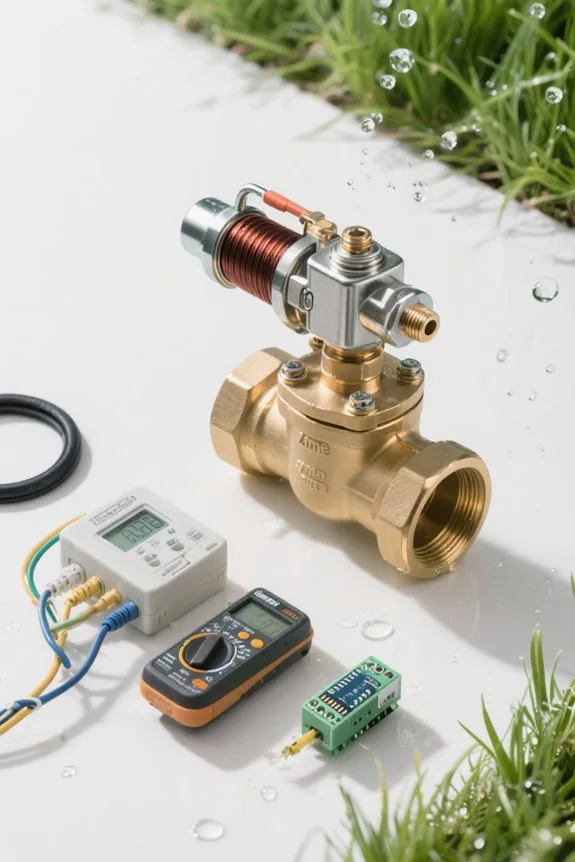
Proper inspection of mechanical components is essential for maintaining an effective sprinkler system. Begin by examining the zone valve for debris or signs of mechanical failure, as a stuck open valve can impede proper closure. Next, check the solenoid or actuator connected to the valve; a defective solenoid might be supplying constant power, keeping the valve open unintentionally. Inspect the diaphragm within the valve, as wear or damage can lead to leaks that hinder complete closure. Additionally, verify the electronic controller’s settings to confirm there are no overlapping schedules activating the zone. Finally, inspect all electrical connections for wear or damage, since faulty wiring can result in erratic zone operation, impacting overall system efficiency. Regularly checking for clogs and cleaning rotary nozzles can also help extend the lifespan of your irrigation system and ensure efficient water distribution.
Recommended Products

Original OEM Febco Product

24-STATION WIFI SMART SPRINKLER CONTROLLER: Take full control of up to 24 irrigation zones with this WiFi-enabled smart sprinkler controller. Perfect for large homes, estates, and commercial properties, manage your watering system remotely with the Hydrawise app or web portal from anywhere in the world.

BUILT TO LAST: Rugged cast iron pump housing and glass-filled thermoplastic impeller for well water and lake water
Testing the Zone Valve
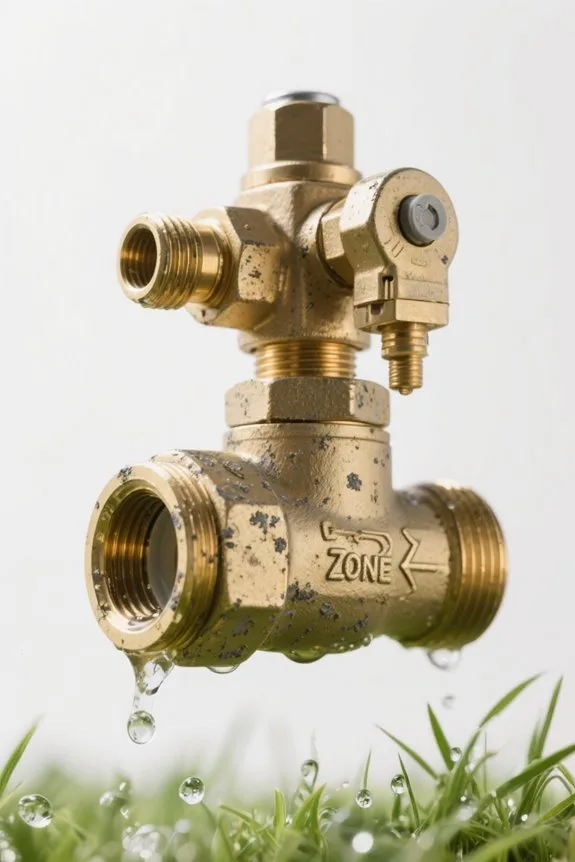
Following the inspection of mechanical components, the next critical step involves testing the zone valve for functionality. To begin testing the zone valve, first, remove the solenoid or actuator and manually activate the valve. This action determines if the valve closes properly without relying on electronic control. Next, check for voltage at the zone valve’s terminals, ensuring power is supplied to the solenoid when the controller is active. Inspect the valve for debris or blockages that may hinder complete closure, which could necessitate disassembly. If the valve fails to open or close as intended, a faulty diaphragm or solenoid may require replacement. After any repairs, run a functional test to confirm the zone valve operates correctly by activating the zone through the controller. It’s important to ensure that material durability and quality are considered when selecting replacement parts to prevent future malfunctions.
Recommended Products

Febco 860 1312 quarter turn shutoff 3/4 inch reduced pressure zone assembly
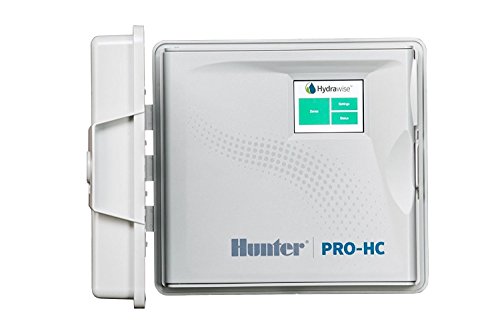
Wi-Fi Enabled Controller: This durable indoor controller uses Wi-Fi to quickly connect to the Hydrawise irrigation management software

Cleaning and Maintenance Tips
To maintain a reliable irrigation system, regular cleaning and maintenance are essential components that prevent costly repairs and inefficient water usage. First, clean the sprinkler heads monthly to eliminate dirt, debris, and algae that can obstruct water flow. Furthermore, inspect the valve boxes and clear any debris to guarantee proper functionality. Seasonal maintenance should include checking for leaks in irrigation lines and zone valves, which can waste resources. Additionally, replace or repair damaged components such as diaphragms and solenoids promptly to avoid zones sticking open. Weatherproof designs ensure reliability and longevity, which is crucial for outdoor systems exposed to environmental factors. Finally, if using well or lake water, install a filter on the water source to minimize the debris that can lead to blockages in valves and sprinkler heads, following these cleaning and maintenance tips for peak performance.
Recommended Products

{HIGH FILTRATION CAPACITY} Offering exceptional cleaning efficiency, this 480 Square Foot pool filter is capable of handling pools up to 72,000 gallons. This filter system excels in removing impurities & maintaining pristine water. Element included!

AMERICAN PLUMBER Heavy-Duty Radial-Flow CarbonFilter Cartridge

Body made of special chemically bonded polymer for durability
When to Seek Professional Help
When considering the efficiency of a sprinkler system, recognizing the right time to seek professional help is critical for avoiding further issues and ensuring reliable operation. Homeowners should keep an eye out for persistent problems after basic troubleshooting has failed. If electrical malfunctions or faulty valve components might be present, professionals possess the expertise to diagnose these complex issues accurately. Additionally, in cases where the risk of electric shock exists due to water exposure in wiring, contacting a specialist is essential for safety. Specialized tools are often required for tasks like circuit board replacements or intricate valve repairs, making professional assistance advisable. Ultimately, involving an expert can lead to time savings and help prevent costly errors caused by DIY attempts. It is also important to consider proper installation and maintenance practices, as these can significantly impact the performance and longevity of your irrigation system.
Frequently Asked Questions
Why Is One Zone in My Sprinkler System Not Shut Off?
Like a stubborn song stuck on repeat, one zone in a sprinkler system may not shut off due to electrical malfunctions. Inspect valves and electrical components to identify the root of this incessant watering issue.
What Causes a Sprinkler Zone to Stay On?
A sprinkler zone may stay on due to faulty wiring, a stuck valve, or water leakage from a damaged membrane. Electrical failures or a malfunctioning actuator can also prevent the zone from shutting off properly.
Why Is One of My Irrigation Zones Not Working?
In the symphony of irrigation maintenance, one zone falters, potentially due to a malfunctioning valve, an errant solenoid, or misconfigured settings, hindering water distribution and prompting a critical evaluation of the system’s components and wiring.
Why Is My Irrigation Solenoid Not Shutting Off?
The irrigation solenoid may not shut off due to valve issues, such as debris blocking the diaphragm, a malfunctioning solenoid, improper voltage supply, or a broken spring, necessitating regular maintenance for peak functionality.