As an Amazon Associate, we earn from qualifying purchases. Some links on this site are affiliate links at no extra cost to you. Our recommendations are based on thorough research and editorial judgment.


Designing a Pathway: Materials, Widths, and Lighting Considerations

Designing a pathway necessitates careful planning of materials, widths, and lighting. For durability, consider weather-resistant options like flagstone or concrete pavers. Ideal widths should be 4 to 5 feet for two-person passage, with a minimum of 36 inches for wheelchair access. Path lights spaced 5 to 8 feet apart enhance safety and visibility. Incorporating energy-efficient LED lights further reduces costs. Each aspect contributes to overall functionality and aesthetics, making informed choices crucial for successful design. Further insights will follow.
Key Takeaways
- Choose pathway widths of 4 to 5 feet for two-person passage and a minimum of 36 inches for wheelchair accessibility.
- Opt for durable, weather-resistant materials like flagstone, brick, or concrete pavers that enhance aesthetics and longevity.
- Install pathway lights 5 to 8 feet apart to ensure consistent illumination and enhance nighttime safety.
- Utilize energy-efficient LED lights or solar-powered options to reduce energy costs and environmental impact.
- Regularly maintain lighting and pathways by cleaning, inspecting, and making seasonal adjustments to ensure safety and functionality.
Importance of Pathway Design
Pathway design holds notable importance in ensuring both safety and functionality, particularly in environments intended for regular use. A well-structured pathway enhances navigation and prevents accidents, especially after dark. Incorporating proper outdoor lighting, such as strategically placed pathway lights, can greatly improve visibility. The recommended distance between fixtures is 5 to 8 feet apart, adjusted according to the path’s width and purpose, to avoid dark spots. Ideal pathway widths are essential, with primary paths ranging from 4 to 5 feet for two-person passage and wider accessibility. Additionally, a minimum width of 36 inches benefits individuals using wheelchairs. Effective design not only promotes safety but also offers visual appeal, ensuring the pathway complements its surroundings while serving its functional role. Weather resistance and durability are critical factors to consider when choosing pathway lights, as these features ensure reliable performance and longevity in various outdoor conditions.
Choosing Durable Materials

When planning a durable pathway, selecting the right materials is essential for achieving long-lasting functionality and safety. Opting for weather-resistant materials, such as flagstone, brick, or concrete pavers, guarantees durability in outdoor spaces. Non-slip surfaces enhance safety, particularly in wet or icy conditions, reducing the risk of slips and falls. Additionally, choosing porous materials promotes effective water drainage, minimizing erosion over time. It is also important to select materials that complement the surrounding landscape and home architecture to maintain a cohesive aesthetic. Although high-quality materials may require a larger initial investment, they lead to significant savings on maintenance and replacement costs, contributing to a more durable and efficient installation in the long run. When considering lighting options, paver path lights made from durable materials like die-cast aluminum and stainless steel offer both functionality and style.
Recommended Products

𝐒𝐨𝐥𝐢𝐝 𝐁𝐫𝐚𝐬𝐬 𝐂𝐨𝐧𝐬𝐭𝐫𝐮𝐜𝐭𝐢𝐨𝐧: Made from sturdy brass, well constructed mushroom-top low voltage pathway lights. Resistant to rust and corrosion. The premium brass landscape lighting blends into your landscape. Once you install, lifelong you use, and saves on repair

Stunning Design - 12-pack savings - The Lumengy Paver Lane series has a super slim 0.5x9 (0.55 x 8.85 inches) size, perfect for a thin linear highlight between pavers. Its design adds sophistication and elegance to your outdoor space, while the warm white 2700K glare-free ambient effect provide safety and comfort.

Optimal Widths for Paths

Selecting ideal widths for pathways plays a significant role in their functionality and overall user experience. Primary pathways, which serve main entryways and patios, should measure 4 to 5 feet wide, allowing two people to pass comfortably. In contrast, secondary paths leading to less frequented areas, such as gardens or benches, are generally narrower, recommended at 2 to 3 feet for single-person use. Utility access paths, necessary for maintenance, should be 18 inches to 2 feet wide. For accessible pathways, it is essential to meet ADA minimum width requirements of 36 inches, ideally 48 inches, to facilitate navigation. These best widths for paths greatly enhance the outdoor landscape, especially when combined with thoughtful pathway lighting and efficient lighting installation. Consider using solar garden stake lights to illuminate pathways, as they eliminate the need for electrical outlets and allow for versatile placement throughout outdoor spaces.
Recommended Products

FULL BRASS HOUSING AND LARGER ABS STAKE: New and improved design from Gardencoin, 63% copper, heavy-duty construction, strong and durable landscape path light with large ground stake to keep it upright and not tilted

【Artistic & Durable Landscape Lighting】 Showcasing a unique double-tier pagoda design. Crafted from solid brass with an acid-washed finish for high corrosion resistance. This 15'' tall path light features a reinforced ABS-embedded, oversized and widened ground stake(with brass insert) withstand impacts from kids/pets, ensuring stability on lawns, soil or pavers.

[Beautiful Light & Stunning Shadow Effects] Designed with an oil-rubbed bronze finish, the low voltage landscape lights add a refined look to outdoor spaces; the rippled water glass creates soft, beautiful light patterns for a warm and decorative glow
Considerations for Path Purpose
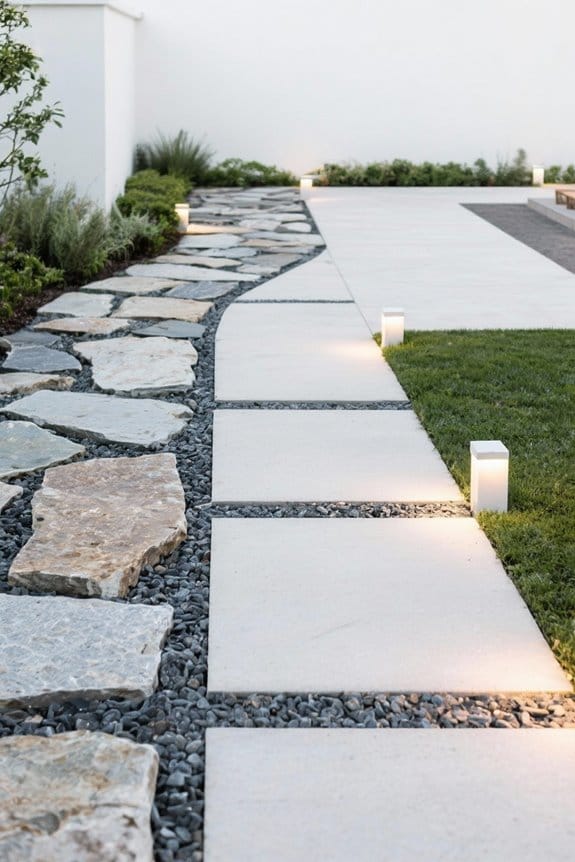
What factors should be considered when determining the purpose of a pathway? First, the primary use influences design; functional routes require durability and safety features, while decorative paths focus on aesthetics. Width is essential; main entryways and high-traffic paths should generally be 4 to 5 feet wide, ensuring comfort for two-person passage. Secondary paths, guiding to gardens or benches, can be narrower at 2 to 3 feet for a cozy feel. Additionally, utility access paths, meant for maintenance, should measure between 18 inches and 2 feet. The pathway’s purpose also dictates material choices and lighting options, enhancing the outdoor space’s visual appeal and ensuring it aligns with the overall landscape design. Consider using solar driveway marker lights for energy-efficient illumination and enhanced visibility in low-light conditions.
Enhancing Safety With Lighting
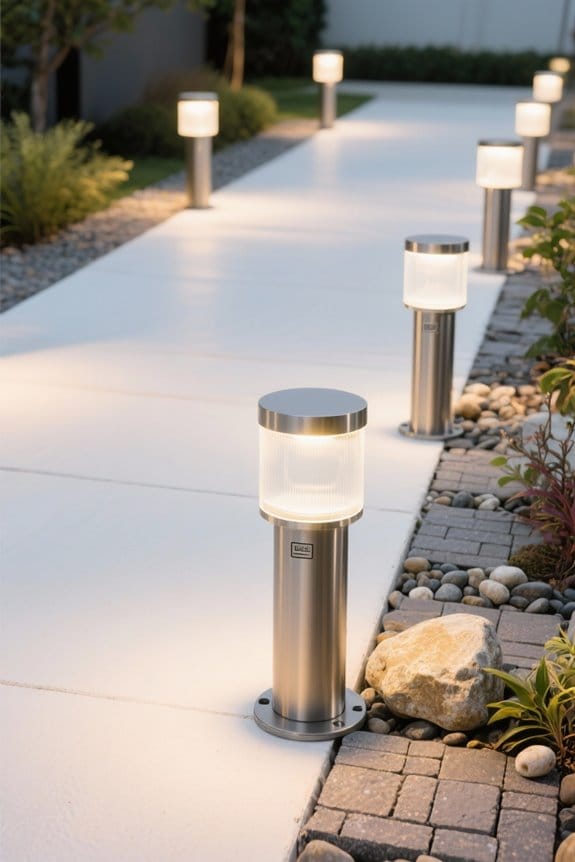
Enhancing safety with effective lighting is essential for creating secure outdoor pathways. Proper installation of path lights along the edges of walkways helps illuminate areas that would otherwise be dark, reducing risks of accidents or tripping hazards. Lights should be spaced 5 to 8 feet apart to guarantee consistent illumination and eliminate dark spots. Utilizing energy-efficient options, such as LED lights, can provide adequate brightness while lowering energy costs and maintenance needs. Additionally, incorporating motion sensors into the lighting system can improve safety by activating lights when movement is detected, enhancing visibility for users and deterring potential intruders. Many solar models feature high waterproof ratings (e.g., IP65), utilizing durable materials like stainless steel or glass to withstand harsh weather conditions, making them suitable for wet climates. These features collectively contribute to a safer, more navigable outdoor pathway experience.
Selecting Lighting Fixtures
Choosing appropriate lighting fixtures for outdoor pathways can be a crucial decision, as they serve both functional and aesthetic purposes. When selecting fixtures, consider weather-resistant materials, such as stainless steel or durable plastic, which enhance longevity. Additionally, choose outdoor lights that complement the home’s architecture and landscape, creating a cohesive look. Energy-efficient options, like LED lights or solar-powered fixtures, greatly lower electricity costs and can last up to 50,000 hours. Adjustable beam angles allow for customized illumination patterns, addressing unique pathway layouts. Finally, verify that the selected fixtures maintain a consistent height to provide uniform lighting effects, which improves safety and ambiance, preventing dark spots along the pathway. Several options, like the PARTPHONER Low Voltage Lighting, offer durability with an IP65 waterproof rating, ensuring they withstand extreme weather conditions. These considerations will enhance the overall experience of traversing outdoor spaces.
Recommended Products
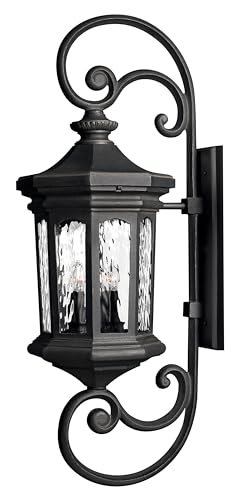
Part of the Estate Collection: Carefully curated for stately exteriors, these Hinkley outdoor fixtures were designed for expansive properties With extended outdoor living spaces
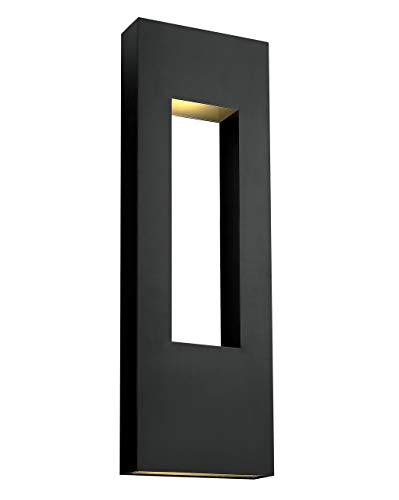
Modern Contemporary Design: The sleek modern design allows for optimal illumination to any outdoor space

Traditional Regal Design: The simplistic yet regal design features a beautiful pattern of light shining upon any exterior space
Spacing Path Lights Effectively
Effective spacing of pathway lights is essential for ensuring safety and pleasing aesthetics. Generally, spacing path lights effectively means placing fixtures 5 to 8 feet apart. For narrower garden paths, lights should be positioned closer together, ideally within 4 to 5 feet, to prevent trip hazards. In contrast, wider paths allow for 6 to 8 feet spacing without sacrificing visibility. The intensity of lighting fixtures also affects light placement; softer lights may require closer positioning, while taller fixtures can provide effective coverage from a distance. Additionally, surrounding vegetation and seasonal changes may necessitate periodic adjustments to light spacing to maintain uniform illumination. Consistent spacing enhances both safety and aesthetic appeal while minimizing light pollution. Many solar fountain lights are designed for year-round outdoor use, featuring waterproof designs that protect against weather elements.
Recommended Products

𝐇𝐞𝐚𝐯𝐲-𝐃𝐮𝐭𝐲 𝐒𝐨𝐥𝐢𝐝 𝐁𝐫𝐚𝐬𝐬: Gardenreet premium pathway light is built to last. Completely rust-resistant for salty or humid climates, it outperforms aluminum by over 10x. Achieve a designer landscape effortlessly — Once you install, lifelong you use

𝐇𝐞𝐚𝐯𝐲-𝐃𝐮𝐭𝐲 𝐒𝐨𝐥𝐢𝐝 𝐁𝐫𝐚𝐬𝐬: Gardenreet premium pathway light is built to last. Completely rust-resistant for salty or humid climates, it outperforms aluminum by over 10x. Achieve a designer landscape effortlessly — Once you install, lifelong you use
𝐇𝐞𝐚𝐯𝐲-𝐃𝐮𝐭𝐲 𝐒𝐨𝐥𝐢𝐝 𝐁𝐫𝐚𝐬𝐬: Gardenreet premium pathway light is built to last. Completely rust-resistant for salty or humid climates, it outperforms aluminum by over 10x. Achieve a designer landscape effortlessly — Once you install, lifelong you use
Light Color and Temperature Choices
Selecting the appropriate light color and temperature is essential for creating a harmonious outdoor environment. Light color is measured in Kelvin (K), with warm tones between 2700K and 3000K providing a cozy atmosphere, while cooler tones from 4000K to 5000K offer a vibrant, modern feel. Warm light often enhances relaxation in outdoor settings, whereas cooler temperatures promote focus and visibility. It is vital to take into account the surrounding landscape; warm tones complement natural features and historic structures, while cooler tones suit contemporary designs. Additionally, warmer lights may appear dimmer, necessitating adequate lumens for sufficient illumination. Effective pathway designs can integrate both warm and cool light colors together, creating visual interest while clearly delineating different outdoor spaces. When selecting materials for valve boxes, consider UV-resistant materials like HDPE and polypropylene to ensure longevity against environmental stresses.
Installation Best Practices
Proper installation of pathway lighting is essential for ensuring functionality and safety. Begin by cleaning the pathway and removing debris, as this allows for effective fixture placement. Consider the power source; low-voltage systems require careful planning of wiring routes, while solar lights simplify the process, eliminating wiring altogether. During installation, bury fixtures below ground level and protect them from moisture to avoid safety hazards. Markers can help achieve consistent spacing, aiming for 6 to 8 feet between lights for uniformity. It is advisable to regularly inspect installed fixtures and adjust their positioning seasonally for peak effectiveness. Engaging a professional landscape lighting company is recommended for complex installations, ensuring adherence to best practices throughout the process. Solar lights typically offer straightforward DIY installation, making them an ideal choice for homeowners seeking energy-efficient and aesthetically pleasing outdoor lighting solutions.
Maintenance Tips for Pathway Lighting
Maintaining pathway lighting is essential for ensuring safe and effective illumination year-round. Regularly inspect and clean pathway lights every three months to remove debris, insects, and dirt that hinder performance. Additionally, check wiring and connections periodically, ensuring they are secure and free from damage to maintain the lighting system’s functionality. Adjust settings for daylight savings and seasonal changes to optimize lighting effectiveness, particularly as daylight hours shift. It is vital to replace faulty components promptly to prevent dark spots along pathways, ensuring consistent illumination. Schedule routine maintenance annually to enhance the durability and longevity of lighting fixtures, which should ideally be composed of weather-resistant materials for improved performance in all conditions. Consider using solar pathway lights for energy-efficient, eco-friendly lighting that can significantly reduce electricity costs while maintaining effective illumination.
Energy Efficiency and Sustainability Options
Energy-efficient and sustainable lighting options greatly enhance the functionality and environmental impact of pathway illumination. LED bulbs, for example, consume up to 80% less energy than traditional incandescent bulbs, offering an extended lifespan of about 50,000 hours. Solar-powered pathway lights are another sustainable choice, harnessing sunlight to function without wiring and notably reducing energy consumption. Additionally, smart lighting systems utilizing timers and motion sensors allow for optimized energy efficiency by ensuring lights are active only when necessary. To further enhance sustainability, selecting pathway materials that are sustainably sourced or recycled can complement these energy-efficient lighting decisions. Together, these elements create a harmonious balance between effective illumination and environmental responsibility.
Frequently Asked Questions
What Is a Good Width for a Walkway?
A suitable walkway width typically ranges from 2 to 5 feet, balancing aesthetics and functionality. Considering walkway material options and accessibility guidelines guarantees an inviting space that accommodates users effectively while enhancing the overall landscape design.
How Bright Should Pathway Lights Be?
Pathway lights should achieve brightness levels of 1 to 2 foot-candles, utilizing warm light color temperatures. Efficient fixture placement, with spacing of 5 to 8 feet, augments energy efficiency while ensuring adequate illumination throughout the pathway.
What Are the Factors to Be Considered in the Design of a Lighting Scheme?
In the domain of illumination, factors in lighting design include color temperature, strategic light placement, energy efficiency, and thoughtful fixture design, ensuring a harmonious balance between aesthetics and functionality for safe pathways at night.
What Is the Minimum Lighting Level for Walkways?
The minimum lighting level for walkways is typically 0.5 to 1 foot-candle. Adhering to safety standards, effective light placement enhances ambient lighting while promoting energy efficiency, ensuring safe navigation and illuminating dark areas effectively.