As an Amazon Associate, we earn from qualifying purchases. Some links on this site are affiliate links at no extra cost to you. Our recommendations are based on thorough research and editorial judgment.

Seed Starting Calendar: What to Sow Month by Month

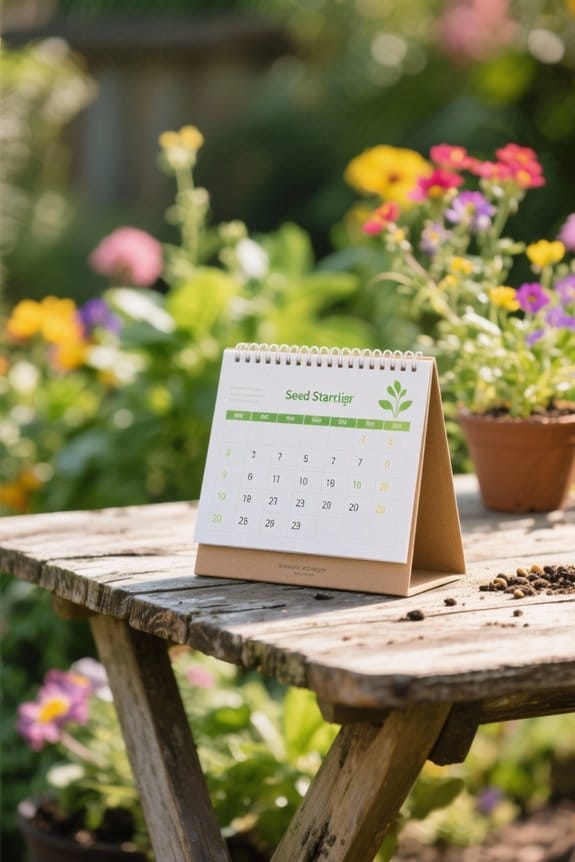
A seed starting calendar provides structured planting timelines across the months. In January, plan by selecting varieties and preparing soil. February is for indoor seeding of heat-loving crops; tomatoes should be sown six weeks before the last frost. March offers opportunities for transplanting outdoors after the last frost. In April, sow warm-season crops like beans and corn, while May focuses on direct sowing of leeks and squash. Continuing with this guidance, further strategies will enhance overall garden success.
Key Takeaways
- January: Plan and select vegetable varieties while preparing beds and improving soil health based on analysis.
- February: Start heat-loving crops like peppers and tomatoes indoors six weeks before the last frost date.
- March: Transition seedlings outdoors and begin planting cool-season crops as conditions permit.
- April: Sow warm-season crops like beans and corn after the risk of frost has decreased.
- May: Directly sow leeks, carrots, and squash, and transplant warm-season crops like cucumbers and pumpkins.
January: Planning and Preparing
In January, many gardeners begin the important task of planning and preparing their gardens for the upcoming season. This month is essential for selecting vegetable varieties that meet nutritional needs across vitamin groups, ensuring a well-rounded harvest. Gardeners should consult the USDA zone planting guide to identify suitable crops based on specific climates. Collecting seed catalogs aids in determining quantities needed for family consumption and preservation. It is also advisable to take soil samples for analysis at the county Extension office, which assists in planning necessary amendments. Additionally, preparing plant beds for early transplants of tomatoes, peppers, and eggplants should commence, prioritizing regions affected by nematodes by choosing alternative crop varieties for effective management. Selecting heirloom and organic vegetable seeds can support biodiversity and adaptability to local growing conditions.
February: Starting Seeds Indoors
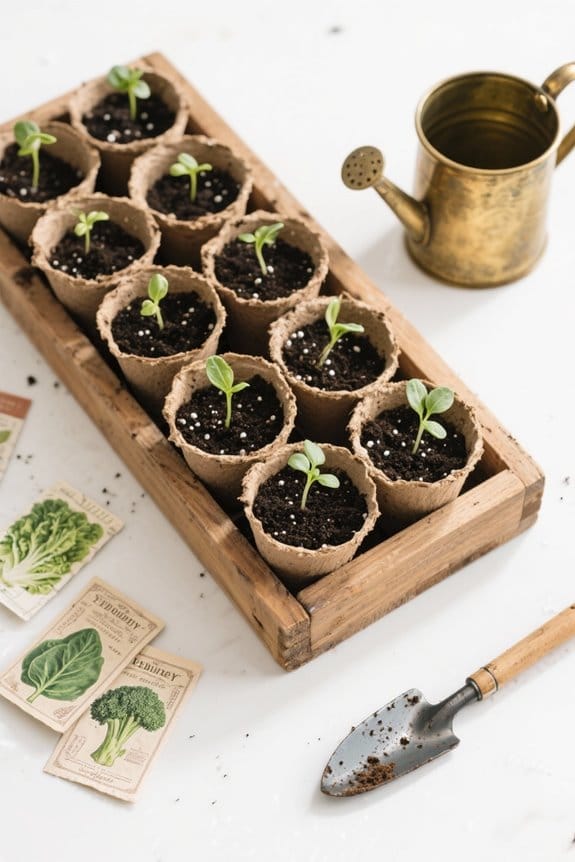
As winter begins to recede, February presents an excellent opportunity for gardeners to start seeds indoors, specifically for heat-loving crops such as peppers and eggplants, which should be sown eight weeks before the last expected frost date. Additionally, tomato seeds can be planted indoors approximately six weeks before this frost date to guarantee robust transplants. Gardeners may also conduct soil samples at local county Extension offices, which helps determine nutrient needs for the upcoming planting calendar. Moreover, starting herbs indoors in February not only enriches future gardens but facilitates earlier harvests in spring. By the end of the month, gardeners should prepare raised beds and consider sowing cool-season crops like carrots, collards, and lettuces as soon as soil conditions allow. For those planning cover crops, Winter Rye is an excellent choice for its ability to prevent soil erosion and add organic matter to the soil.
Recommended Products

The Deluxe kit for growing with the Tower Garden FLEX system.
![Organic Plant Magic - Truly Organic™ Fast-Acting Soluble Plant Food: All-Purpose Fertilizer Concentrate for All Flower Vegetable Herb Fruit Tree Shrub Container Garden & House Plants [20 lb Bucket]](https://m.media-amazon.com/images/I/41PAuP3XFuL._SL500_.jpg)
New Label - Same Amazing Product that Plants & Customers LOVE!
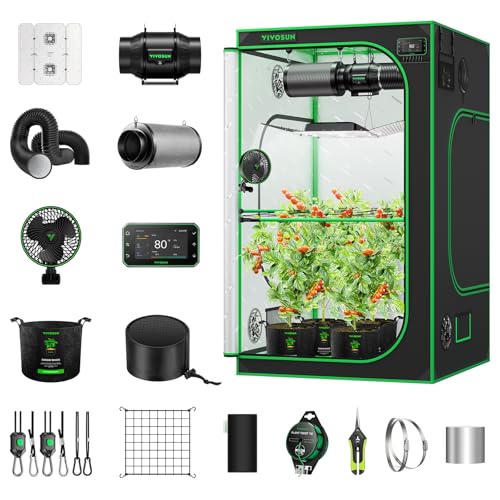
Plus Grow Tent Kit: A professional choice that simplifies indoor gardening and maximizes growth potential; Includes a premium grow tent, tunable spectrum grow light, ventilation & circulation system, smart GrowHub, and essential accessories—all in one to support healthy growth and higher yields
March: Early Planting Opportunities
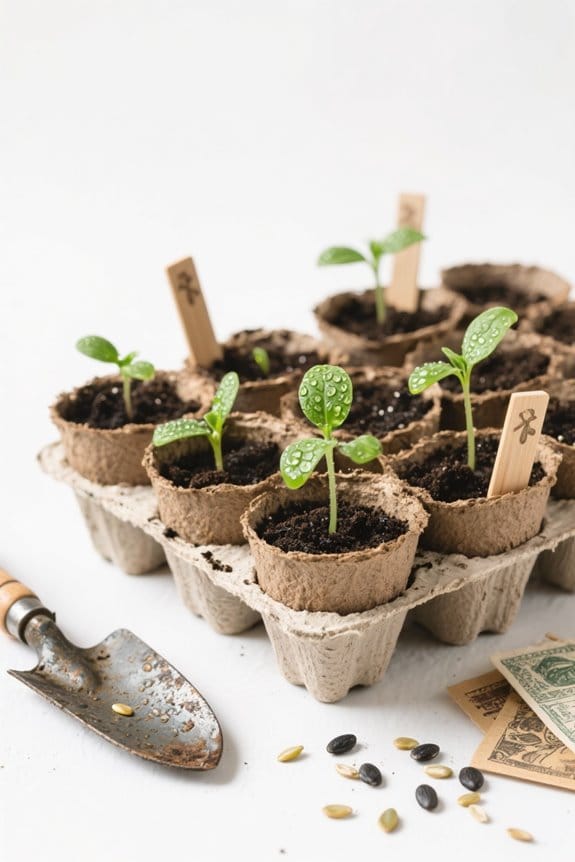
March presents a pivotal time for gardeners enthusiastic to embrace the growing season, particularly with opportunities for early planting. In this month, indoor seed planting begins for warm-season crops such as tomatoes, peppers, and eggplants, typically 6-8 weeks before the last frost date. Gardeners should prepare raised beds to allow for the sowing of cool-season crops, like carrots, collards, and lettuce, starting mid to late March. Conducting soil tests is advisable to guarantee nutrient-rich conditions for successful germination. After the last frost, which usually occurs in mid-May for USDA zone 8, seedlings can be shifted outdoors around late March for robust development. Early March is also suitable for starting herb seeds indoors, enhancing vegetable gardening efforts. For gardeners interested in growing watermelons, selecting varieties with high germination rates ensures a successful start to the planting season.
Recommended Products
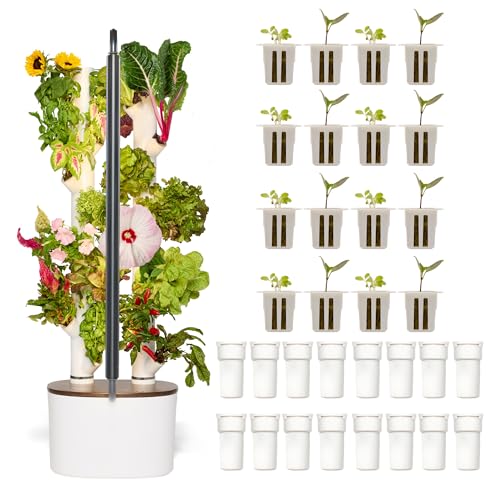
COMPACT & SPACE-SAVING DESIGN: The Gardyn Studio 2 hydroponics growing system kit grows up to 16 non-GMO plants, including herbs, vegetables, fruits, and flowers, within the footprint of a single potted plant. Its sleek vertical garden design makes it perfect for apartments, kitchens, and offices, doubling as a modern décor piece while serving as a productive indoor herb garden.

Starter Grow Tent Kit: Perfect for first-time indoor growers seeking a simple, budget-friendly setup; This kit includes a grow tent, full-spectrum LED light, ventilation fan, GrowHub, and essential accessories, each working together to make your growing journey easier than ever
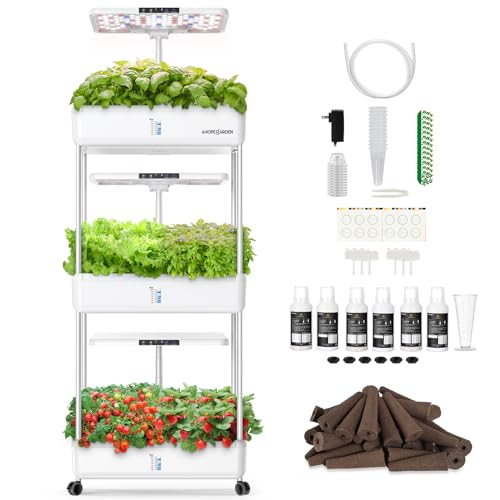
Dual Grow Light Mode, Increase Yield by 50%: Designed for urban farming enthusiasts, our smart hydroponics growing system kit features 53W LED dual grow light mode (16/22 hours). The 22-hour setting accelerates organic vegetables like tomatoes, boosting yields by 50% while enhancing sugar content—ideal for healthy eating or gifting as a unique gift. Enjoy fresh, nutrient-rich harvests year-round, even in balcony hydroponics setups.
April: Warm-Season Crop Sowing
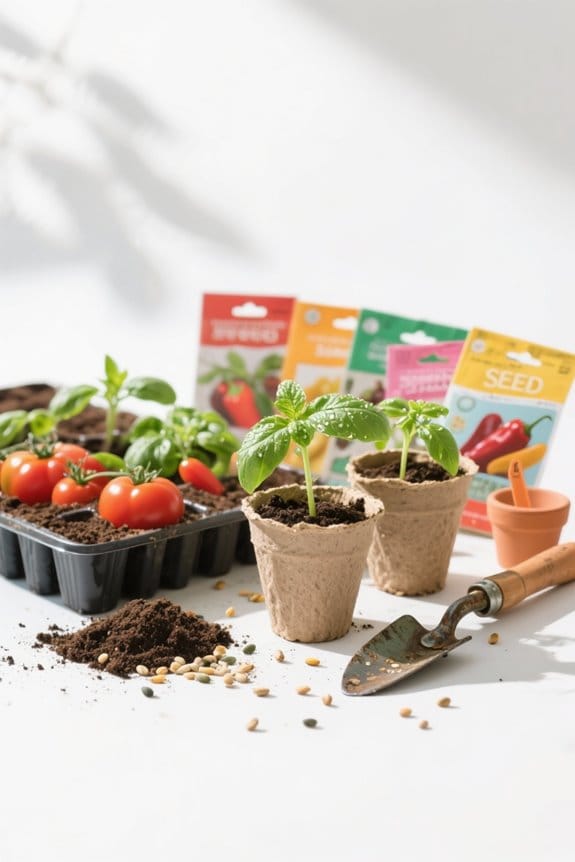
April marks an essential shift period for gardeners focused on sowing warm-season crops, as the risk of frost diminishes and temperatures begin to rise. In USDA Plant Hardiness zones, this is the ideal time for planting beans, corn, and tomatoes. Gardeners should position tall crops on the north side to prevent shading shorter plants. It is advisable to schedule additional plantings of snap beans and corn every 2-3 weeks to guarantee continuous harvesting throughout the season. Proper preparation is vital; managing mulch and controlling weeds improves soil aeration while maintaining moisture levels. By monitoring the frost date closely, gardeners can time their planting according to each crop’s days to maturity, thereby maximizing their ability to grow food effectively this season. Adding black eyed susans to your garden can attract beneficial insects and enhance biodiversity, while providing vibrant flowers throughout the summer.
Recommended Products

100% Pure, Non-GMO Seeds – No fillers, favorites only! Includes 12 easy-to-grow species: Cornflower Dwarf Blue, Lance Leaf Coreopsis, Wild Cosmos, Blanket Flower, Black Eyed Susan, Wild Perennial Lupine, Purple Coneflower, Russell Lupine, Plains Coreopsis, Siberian Wallflower, Blue Flax, Scarlet Flax, and others, subject to change.
Cooling Menthol Throat Drops: Formulated with menthol crystals to deliver a refreshing, cooling sensation that supports throat comfort during seasonal changes
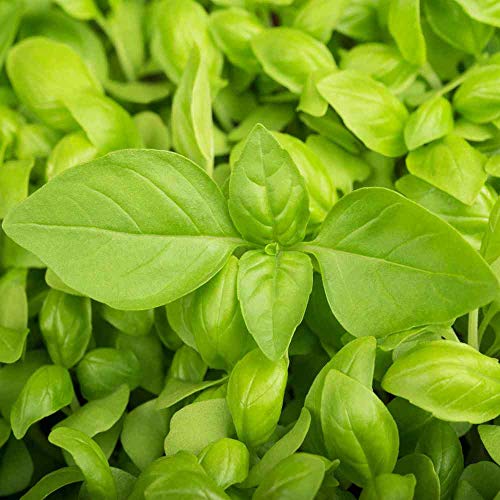
COMPACT, VERSATILE GROWTH: Our Lemon Basil seeds grow 26 inches tall and are well-suited for USDA Zones 4–9. They grow under full sun using well-drained soil or hydroponics. These varieties can be planted in raised beds, balcony pots, or indoor trays, adding dense green texture and bold herbal presence to both small-scale and full garden setups.
May: Direct Sowing and Transplanting
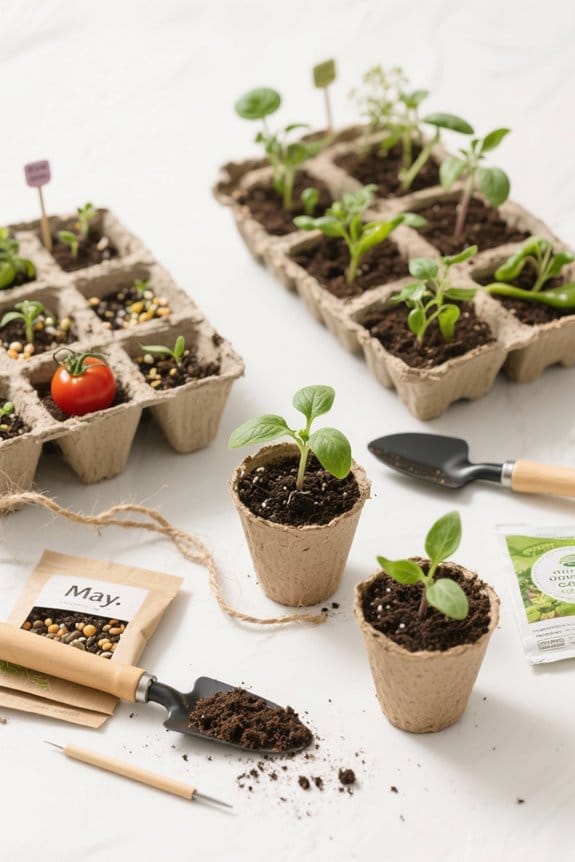
May presents an advantageous window for gardeners, as the warming temperatures facilitate the process of direct sowing and transplanting. According to the USDA guidelines, early May is suitable for sowing seeds like leeks, Brussels sprouts, and winter squash under cover for ideal growth. Mid-May marks the perfect time for sowing warm-season crops; gardeners may introduce cucumber, courgette, and pumpkin, best planted towards the end of the month. Additionally, maincrop potatoes, carrots, and parsnips should be sown outdoors in early May, ensuring the seedbed remains moist until germination. Towards the end of the month, swede can be planted, preparing the home garden for fruitful yields throughout the season. To enhance germination rates, gardeners should choose seed collections with a minimum of 90% germination for successful growth. Careful timing and seed selection lead to a successful harvest.
Recommended Products

PLAN YOUR GROWING ZONES: Build a sheltered compact backyard growing area for seedlings, vegetables, herbs, and flowers. The 6x12 FT footprint can be arranged for seed trays, pots, herbs, and a practical center aisle.

Care Guidelines: Succulents are known for their easy care requirements. Simply place them in areas with soft high sunlight areas, and water infrequently, allowing the soil to thoroughly dry between waterings. Succulents will thrive with optimal fresh air flow.
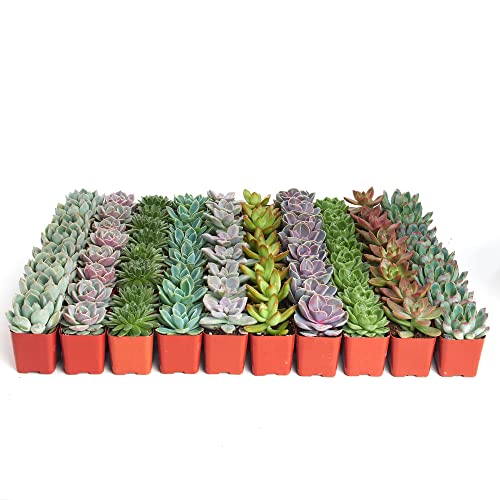
Care Guidelines: Succulents are known for their easy care requirements. Simply place them in areas with soft high sunlight areas, and water infrequently, allowing the soil to thoroughly dry between waterings. Succulents will thrive with optimal fresh air flow.
June to August: Summer Growth and Maintenance
As the warmth of summer settles in, effective gardening practices become vital for maximizing growth and maintenance from June to August. In June, gardeners should sow under cover crops such as beetroot, swede, lettuce, and purple sprouting broccoli, while also planting warm-season crops like carrots and cucumbers outside before mid-June. Moving into July, it is advisable to sow kohlrabi and Savoy cabbage under cover early in the month, followed by lettuce, chicory, and endive before mid-July. August brings an opportunity to sow salad rocket and other leafy greens under cover, while preparing for fall by planting spring onions and salad crops. Consistent watering and adequate light exposure are essential for ensuring healthy seedlings and robust summer growth. Investing in high-quality cutters with sharp, durable blades can be beneficial for maintaining your garden as you may need to trim overgrown plants or harvest produce during this time.
Recommended Products

READY TO GROW BACKYARD GREENHOUSE: 10' x 20' x 8' peak roof design for growing plants, starting seeds and extending growing seasons

2-IN-1 Design: Upgraded dimmer box both manual dimmer knob control and expandable smart mode; connect separately sold Mars Hydro iConnectu/ iHub/ iControl controller to activate WiFi&Bluetooth Mars Hydro App remote control with schedule, sunrise/sunset dimming, auto-mode & grow recipes, and allows simultaneous operation of smart and regular grow lights

Starter Grow Tent Kit: Perfect for first-time indoor growers seeking a simple, budget-friendly setup; This kit includes a grow tent, full-spectrum LED light, ventilation fan, GrowHub, and essential accessories, each working together to make your growing journey easier than ever
September: Transitioning to Cooler Crops
The arrival of September marks a shift in gardening strategies, as cooler temperatures prompt adjustments in crop selection and planting techniques. Early September is an ideal time to sow autumn and winter varieties, such as lambs lettuce, mizuna, and salad rocket, preferably under cover. Additionally, early to mid-September is suitable for sowing spinach, chard, mustards, and kale, enhancing growth when temperatures drop. For outdoor sowing, gardeners should time their last salad plantings approximately one week earlier, ensuring they are completed by September 10th. After initial growth, providing adequate light exposure becomes essential for robust seedling development. Utilizing fleece or row covers can protect young plants against chilly autumn nights while maximizing light penetration in the flower garden. Many thornless raspberry varieties are hybridized for enhanced sweetness and flavors, making them an excellent addition to gardens seeking high-yielding and flavorful produce during the harvest season.
Frequently Asked Questions
What Month Should I Start Seedlings?
Starting seedlings indoors ideally occurs 6-8 weeks before the last frost in spring. Following spring seedling tips and ensuring proper indoor seedling care supports healthy growth, essential for successful late season planting and peak yields.
What Month Is the Best Time to Sow Seed?
The best time to sow seed is typically in spring, particularly after the last frost. Spring planting tips emphasize ideal sowing conditions and careful seed variety selection to optimize growth and yield throughout the season.
Can You Sow Seeds in September?
Yes, September offers significant sowing benefits. It allows for autumn garden preparation and supports late season crops like salad greens, ensuring a fresh harvest before winter, especially when protected from cooler temperatures with fleece or row covers.
Is September Too Late to Plant a Garden?
September is not too late for gardening; it offers opportunities for late season planting. Gardeners can successfully grow September crops like lambs lettuce and spinach by following essential fall gardening tips and monitoring temperature conditions.