As an Amazon Associate, we earn from qualifying purchases. Some links on this site are affiliate links at no extra cost to you. Our recommendations are based on thorough research and editorial judgment.


Making Your Own Potting Mix for Seed Starting

Making your own potting mix for seed starting is a practical and cost-effective choice. Combine equal parts coco coir, perlite, and vermiculite to create a lightweight and breathable mix that promotes healthy seedling growth. Coco coir serves as a sustainable alternative to peat moss, while perlite guarantees proper drainage and prevents compaction. This mixture maintains moisture levels without causing overwatering. Learn more about specific ingredients and best practices for effective seedling care as you explore your options.
Key Takeaways
- Combine equal parts coconut coir, perlite, and vermiculite for an effective seed starting mix that ensures aeration and moisture retention.
- Use worm castings to enrich your mix with nutrients and support beneficial microbial life for healthy seedling growth.
- Pre-moisten the mix to prevent transplant shock when potting up seedlings with two sets of true leaves.
- Source ingredients from local garden centers or online retailers, ensuring they are labeled for horticultural use.
- Avoid using commercial mixes that may contain harmful chemicals; making your own ensures a sterile, tailored environment for seed germination.
What Is Seed Starting Mix?
A seed starting mix is a specialized, soilless medium designed to optimize the germination of seeds. Primarily composed of sphagnum peat moss, perlite, and vermiculite, this mix provides essential aeration and drainage. The finer texture reduces moisture retention, minimizing risks associated with damping-off disease. Unlike garden soil, a seed starting mix typically contains no added fertilizers, allowing seedlings to utilize their seed reserves for nutrition during early growth. Its sterile composition limits pests and pathogens, promoting healthier plants. By creating a controlled environment, this soilless growing medium markedly enhances germination success rates, allowing seeds to develop robust root structures within a structured timeframe, cultivating strong seedlings suitable for eventual transplanting. Heavy-duty hoses often incorporate features that make them weather-resistant, allowing for consistent performance in various temperatures.
Importance of Seed Starting Mix for Seedlings

Importance of Seed Starting Mix for Seedlings underscores the effectiveness of this dedicated medium in establishing strong and healthy plants. A seed starting mix is formulated with ingredients like sphagnum peat moss, perlite, and vermiculite, which enhance drainage and aeration. This combination retains the necessary moisture for germination while reducing the risk of damping-off disease, a common threat to young plants. By providing a lighter, sterile environment, seedlings can achieve healthy root development without competing with pathogens often found in garden soil. Additionally, these mixes allow seedlings to utilize nutrients from their seeds without the need for added fertilizers. A quality seed starting mix supports ideal initial growth, making it essential for successful gardening endeavors. Incorporating an eco-friendly Element SoakerPRO System can further enhance water distribution efficiency for seedlings by delivering moisture directly to the plant roots, reducing evaporation and ensuring optimal hydration.
Differences Between Seed Starting Mix and Potting Soil

Understanding the differences between seed starting mix and potting soil is fundamental for gardeners looking to optimize their plant growth. Seed starting mix is designed specifically for germination, featuring a finer texture and a more sterile composition than potting soil. The latter, aimed at established plants, often contains heavier organic materials, which can lead to compaction and hinder seedling root development. Seed starting mix typically lacks added nutrients, minimizing the risk of harming sensitive seedlings during their early growth stages. Additionally, its moisture retention properties—achieved with ingredients like vermiculite—are vital for supporting germinated seeds, whereas potting soil may retain excessive moisture. Choosing the appropriate mix can greatly influence the success of seedling development. By selecting varieties with high germination rates, gardeners can further enhance the likelihood of a successful growing season using seed starting mix.
Recommended Products

Horticultural Grade Vermiculite: Premium organic fine vermiculite, ideal for potting soil for orchids, indoor plants, and succulents. Enhances water retention and nutrient availability for robust growth.

Mycorrhizal Fungi Inoculant for Plants - Myco Bliss contains 5 high performing strains of mycorrhizal fungi that form powerful symbiotic relationships with plant roots, drastically improving nutrient absorption and water retention in indoor plants, outdoor plants, and potting mixes. (Mycorrhizae powder can be applied directly to seeds and developing roots.)

Coarse Horticultural Perlite: 4 pack large-grade perlite designed for potting soil, seed starting, propagation, hydroponics, organic gardening, and specialty plant mixes
Cost Comparison: DIY vs. Store-Bought Seed Starting Mix

Taking into account the financial implications of gardening, a cost comparison between DIY and store-bought seed starting mixes reveals significant differences. A store-bought seed starting mix typically costs around $20 per cubic foot, whereas a DIY seed starting mix can be created for approximately $8 per cubic foot. Over several growing seasons, a gardener can spend about $49 on bulk ingredients for the DIY approach, leading to considerable savings. Pre-made seed starting mixes often come in smaller quantities, such as 8-quart bags priced at around $7-8, which may be inadequate for extensive seed starting needs. In conclusion, the DIY option not only reduces costs but also allows for ingredient customization, offering more value and better alignment with specific plant requirements. Additionally, when considering outdoor projects like installing solar path lights, the DIY approach can be both cost-effective and environmentally friendly.
Recommended Products

ORGANIC MATERIALS REVIEW INSTITUTE LISTED FOR TRUSTED GARDEN CARE Certified by OMRI for use in organic growing, GS Plant Foods Liquid Fish & Kelp Fertilizer delivers reliable, natural nutrition for vegetables, flowers, and shrubs.

Versatile Potting Soil: Let your plants grow healthy and strong with this general-purpose potting soil featuring a blended formula that works for all kinds of greens you plant in it

Versatile for All Planting Needs: Ideal for indoor and outdoor potted plants, bulbs, starting seeds, and rooted cuttings, providing a healthy environment for all types of plants
Key Ingredients for a DIY Seedling Mix
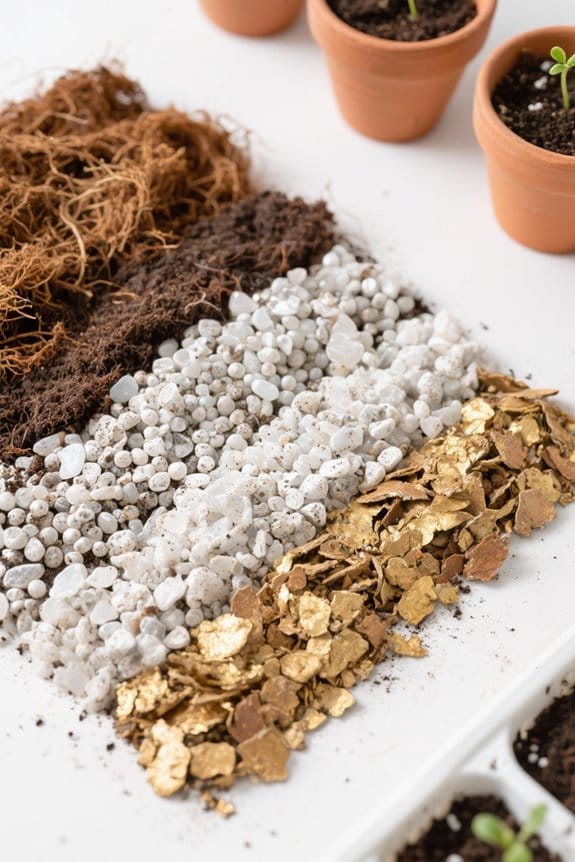
Creating an effective DIY seedling mix requires careful consideration of several key ingredients, each contributing specific benefits to the mix. First, coco coir, made from coconut fibers, serves as a sustainable alternative to peat moss, offering excellent moisture retention with a lower acidity level. Second, perlite, a lightweight volcanic glass, enhances drainage and prevents soil compaction, vital for healthy plant roots. Third, adding a handful of worm castings, approximately one cup, enriches the mix with beneficial nutrients and boosts microbial life, promoting vigorous seedling growth. Finally, vermiculite, an earth-toned mineral, also aids moisture retention while helping to prevent overwatering, ensuring ideal germination conditions. For large areas needing consistent coverage, rotor sprinkler heads are highly adaptable, offering adjustable arcs and spray distances to ensure uniform watering. These components together create a balanced and effective seedling mix.
Recommended Products

FEEDS UP TO 6 MONTHS: Miracle-Gro Potting Mix is a gardening soil for outdoor containers that feeds all types of potted plants, including flowers, vegetables, shrubs, annuals, and perennials for up to 6 months

70/30 COCO COIR & PERLITE BLEND: Professional-grade coco coir and perlite mix designed to provide balanced moisture retention, airflow, and drainage for healthy root development and vigorous plant growth
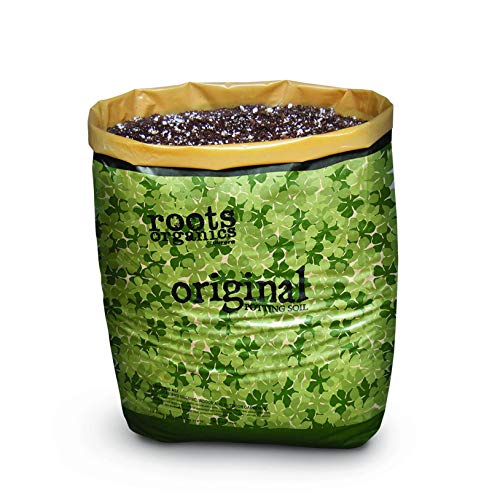
10 GALLON POTTING SOIL: 10 pack of 10 gallon (1.5 cu Ft) of Roots Organics Coco-Fiber Original Potting Soil for your hungry plants
Basic DIY Seedling Mix Recipe
A basic DIY seedling mix offers an affordable and tailored solution for nurturing young plants. To create this homemade seed starting mix, combine equal parts of coco coir or peat moss, perlite, and vermiculite. This mixture guarantees proper moisture retention, aeration, and drainage, which are essential when starting seeds indoors. Adding approximately one cup of worm castings enriches the mix with beneficial nutrients and supports microbial life, fostering healthy seedling growth. This DIY seedling mix is lighter and finer than commercial potting soil, reducing soil compaction and promoting root development. Additionally, consider heirloom seed kits offering a diverse range of non-GMO options to complement your seed starting efforts. Overall, creating this basic DIY seedling mix recipe can be done for about $8 per cubic foot, yielding significant savings compared to store-bought options.
How to Adjust Your Seedling Mix for Optimal Growth
When adjusting a seedling mix for ideal growth, it is crucial to take into account the specific requirements of the plants being nurtured. A balanced seedling mix typically consists of equal parts coconut coir, perlite, and vermiculite. To improve moisture retention in drier conditions, increase the vermiculite ratio for better hydration without risking waterlogging. Additionally, incorporating worm castings can enhance nutrient availability and microbial health. For plants with particular needs, organic amendments like compost or bone meal are beneficial for adjusting nutrient levels effectively. Finally, verify the mix is well-aerated; if it feels dense or muddy, boosting the perlite content can prevent compaction and support healthy root growth, leading to stronger seedlings. Consider using hoses with slow-release technology to further enhance water conservation and nutrient absorption in your gardening practices.
Recommended Products

Ready-to-Use for All Planting Needs: This general-purpose potting mix is ready to use out of the bag, making it perfect for both indoor and outdoor planting without any additional preparation

You will receive (6) 2-cubic foot bags per purchase.
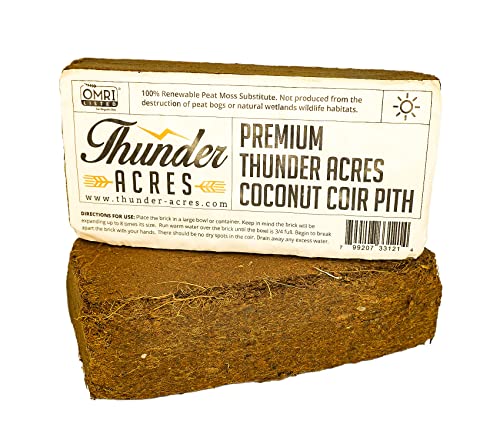
Coco Coir Brick for Organic Use and Production
Unique Gardening Considerations in Central Texas
Understanding the unique gardening conditions in Central Texas is vital for achieving ideal growth in a variety of plants. Central Texas experiences unpredictable weather that can greatly affect seedling growth. Consequently, a potting mix to start should maintain moisture while also providing good drainage. For this region’s intense summer heat, lightweight and breathable potting mixes are important to prevent excessive moisture leading to root rot. Seed starting mixes contain a blend of coco coir, perlite, and vermiculite to improve sustainability and adaptability. Additionally, using a 12-Month Central Texas Growing Guide can assist gardeners in following excellent planting schedules, adjusting for seasonal changes, and meeting specific environmental challenges. This approach supports successful growth in raised beds, containers, and backyard plots. Consider incorporating solar lighting solutions to ensure that your outdoor spaces are both illuminated and eco-friendly, as solar lights’ brightness can enhance visibility and safety for nighttime gardening activities.
Potting Up: Transitioning Seedlings to Larger Containers
Seedlings require careful attention as they grow, especially when it is necessary to provide them with more room for development. Potting up, or relocating seedlings from smaller containers to larger ones, should occur when seedlings have at least two sets of true leaves. This indicates they are ready for more substantial growth. A recommended potting mix at this stage consists of equal parts coco coir, perlite, and vermiculite to guarantee proper aeration and drainage. Before potting up, it is essential to pre-moisten new containers to reduce transplant shock. When transplanting seedlings, they should be planted at the same depth as in their original containers. This practice helps prevent stress while promoting robust growth in the newly potted seedlings. For efficient watering, consider utilizing a soaker hose system, which directly targets plant roots and conserves water, enhancing the growth environment for your seedlings.
Seasonal Gardening Tips for Central Texas
How can gardeners in Central Texas effectively navigate the challenges presented by the region’s unique climate? Employing a 12-Month Growing Guide is essential for effective gardening. For instance, starting seeds for tomatoes in February and peppers in April optimizes growth. Container gardening is beneficial, as it allows for better soil control and improved drainage. Additionally, during intense summer heat, providing adequate shading and establishing a consistent watering schedule is critical; soil can dry out rapidly, harming seedlings. Using mulch around planting areas can help retain moisture and stabilize soil temperature, promoting healthy development. By focusing on suitable potting mixes and aligning planting schedules with seasonal changes, Central Texas gardeners can enjoy successful, thriving gardens year-round. Using cover crops such as crimson clover can enhance soil fertility and structure, making them a valuable addition to the gardening strategy.
Common Concerns About Seed Starting Mix
When selecting a seed starting mix, what factors should be prioritized to guarantee healthy plant development? Key concerns often arise with commercial seed starter mixes, which may introduce harmful chemicals and pathogens that impede seedling growth. These issues can be mitigated by opting for homemade potting solutions. Homemade seed starting soil can be crafted using a balanced mix of equal parts coco coir, perlite, and vermiculite, ensuring ideal drainage and aeration. Adding worm castings provides essential nutrients. Additionally, it is critical to avoid reusing old mixes, as they may harbor pests and diseases that could compromise new seedlings. By addressing these common concerns, gardeners can create a more reliable environment for seed germination and early growth.
Where to Purchase Seed Starting Ingredients
Purchasing the right ingredients for a homemade seed starting mix is crucial for successful plant growth. Local garden centers are reliable sources for fundamental seed starting ingredients like coconut coir, perlite, and vermiculite. Home improvement stores and online retailers, such as Amazon, also offer a variety of options. Organic compost, essential for enhancing nutrient content, can be sourced from local farmers or organic gardening stores. Alternatively, gardeners can create their own compost from kitchen scraps and yard waste. Many gardening retailers provide bulk purchasing deals, allowing buyers to obtain larger quantities at reduced prices, which is cost-effective over time. When selecting perlite and vermiculite, confirm they are labeled for horticultural use to assure quality.
Recommended Products
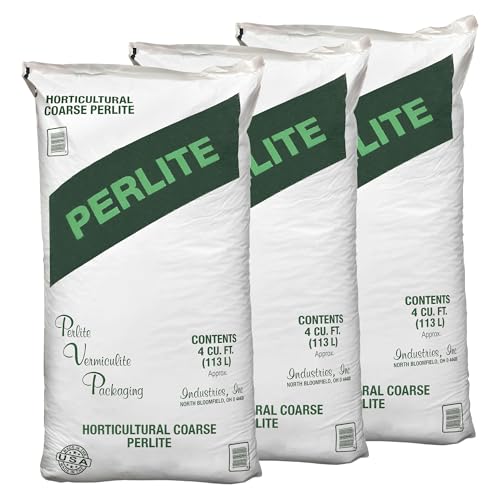
Promotes strong root development by enhancing aeration and drainage—essential for healthy plant growth in pots, gardens, and hydroponic systems

IDEAL FOR HORTICULTURE - Our soil amendment is tailored to meet the needs of both gardening enthusiasts and professionals. Crafted with precision for modern gardening practices, it is an indispensable and versatile component for all your gardening ventures. Its remarkable capacity to improve soil aeration, maintain essential moisture and nutrients, and accelerate root growth makes this vermiculite for mushrooms the essential ingredient.

2 Pack, 4 cubic foot each bag
Frequently Asked Questions
What Is the Best Homemade Seed Starting Mix?
The best homemade seed starting mix features a balanced ratio of organic ingredients: equal parts coco coir, perlite, and vermiculite, enhancing moisture retention and providing ideal conditions for seed germination while preventing disease and promoting healthy growth.
Does Soaking Seeds in Hydrogen Peroxide Help Germination?
Soaking seeds in hydrogen peroxide notably enhances germination through improved vigor and disease resistance. Experts recommend a 3% concentration as a part of their germination success tips, reaping the seed soaking benefits while ensuring improved growth potential.
Is Perlite or Vermiculite Better for Seed Starting?
Perlite offers benefits like enhanced drainage and aeration, while vermiculite’s properties improve moisture retention. Combining both in seed starting techniques can create a balanced environment, supporting the healthy development of seedlings during their essential growth stages.
Can I Use Potting Mix as Seed Starter?
While potting mix can be tempting, it is not ideal for starting seeds indoors. Its heavier composition can hinder seed germination; instead, consider using a lighter mix that nurtures delicate seedlings and promotes healthy growth.