As an Amazon Associate, we earn from qualifying purchases. Some links on this site are affiliate links at no extra cost to you. Our recommendations are based on thorough research and editorial judgment.

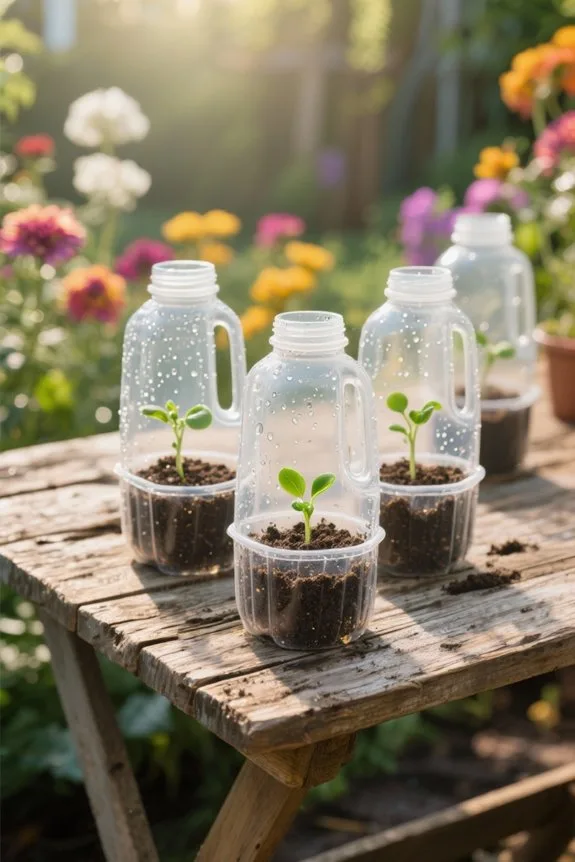
Winter Sowing in Milk Jugs: A Hands-Off Seed Starting Method

Winter sowing in milk jugs is a method for starting seeds outdoors during winter. This technique uses cleaned, transparent plastic milk jugs as mini greenhouses. Ideal planting begins after December 21st, focusing on cold-hardy seeds such as hollyhocks and coneflowers. Materials needed include utility knives, potting mix, and labels. The jugs should be cut for drainage, filled with soil, and sealed. Regular monitoring is essential for moisture and temperature. Further details on plant selection and community engagement can enhance success.
Key Takeaways
- Winter sowing uses milk jugs as mini greenhouses, providing protection while seeds undergo cold stratification.
- Ideal for cold-hardy annuals and perennials, it promotes strong seedling development with minimal intervention.
- Prepare milk jugs by cutting a flap, adding potting soil, and sealing them to maintain humidity.
- Monitor moisture levels and gradually uncover seedlings as they sprout for healthy growth.
- Engage with gardening communities online and locally for support, sharing experiences, and learning.
What Is Winter Sowing?
Winter sowing represents an innovative gardening technique, allowing enthusiasts to cultivate seeds in winter using accessible materials. This method involves using milk jugs or other plastic containers with drainage holes to create miniature greenhouses. Gardeners prepare these containers by filling them with potting soil, planting seeds, and lightly covering them with soil. Following this, the containers are sealed, placed in a sunny location, and benefit from cold stratification, allowing seeds to acclimatize to outdoor temperatures. Excellent winter sowing methods should begin after December 21st, with January and February as prime months for planting. This technique maximizes germination success, particularly for cold-hardy annuals, perennials, and cool-season vegetables, reducing the need for expensive equipment and providing a simple, effective approach. For optimal watering, consider using a customizable soaker hose system to efficiently supply moisture to your winter sown plants, ensuring they thrive even in the colder months.
The Benefits of Winter Sowing
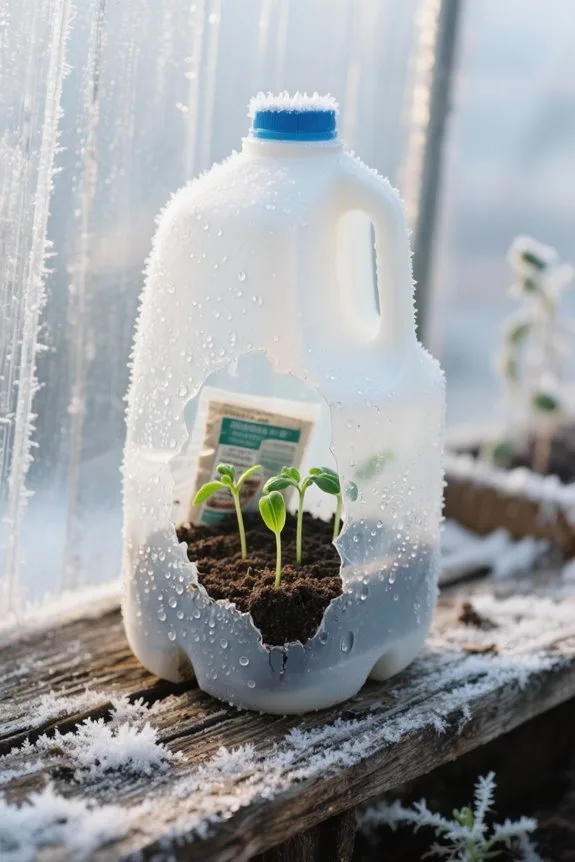
Although many gardeners may hesitate to start seeds during the cold winter months, there are significant benefits to adopting the winter sowing technique. Winter sowing in milk jugs allows hardy annuals to germinate naturally as seeds enjoy protection from harsh weather. This method strengthens seedlings, as they are exposed to outdoor conditions, resulting in less transplant shock when moved to garden beds. Additionally, this technique is a cost-effective seed starting alternative, eliminating the need for expensive indoor equipment like grow lights and heat mats. By utilizing recycled plastic containers, winter sowing also supports eco-friendly gardening practices, reducing waste and resource consumption. Furthermore, the hands-off nature of winter sowing permits gardeners to engage in other winter activities while nurturing plants for early spring growth. High-quality cutters include ratchet mechanisms for efficient cutting, which is particularly useful when preparing durable milk jugs for use as seed-starting containers.
Materials Needed for Milk Jug Sowing
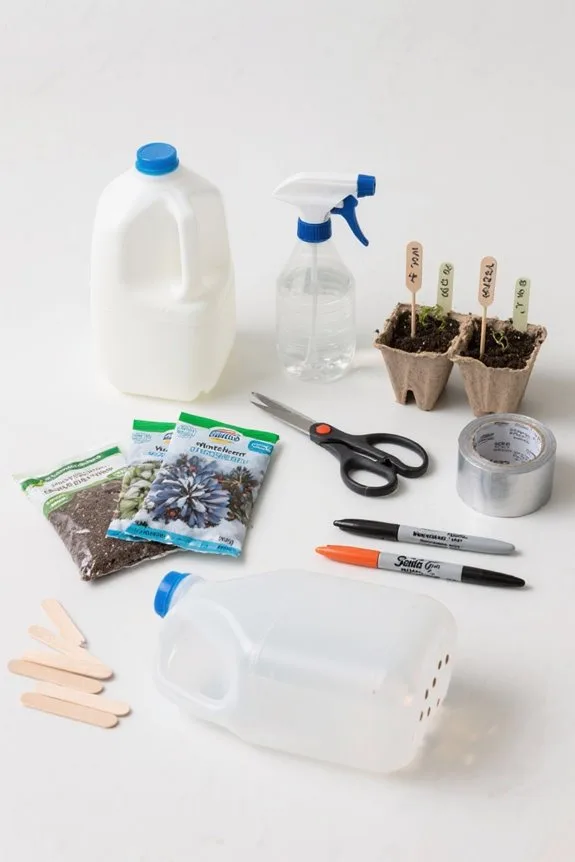
Successful winter sowing in milk jugs requires a specific set of materials to create an effective growing environment for seeds. First, cleaned plastic milk jugs are essential, as their transparent design allows sunlight in. A utility knife is necessary for cutting the jugs and creating multiple drainage holes at the bottom, preventing waterlogging. Potting mix, ideally pre-moistened, serves as the growing medium, ensuring proper moisture for seed germination. Additional supplies include a watering can with a fine rose end for gentle watering and duct tape to seal the jugs securely. Labels are important for marking the type of seeds sown, while a pencil or marker can facilitate this process. A spray bottle may also be useful for extra moisture during winter. Solid brass connectors ensure durability, preventing cracking and leaking, which is important for maintaining a stable watering system.
Preparing Your Milk Jugs
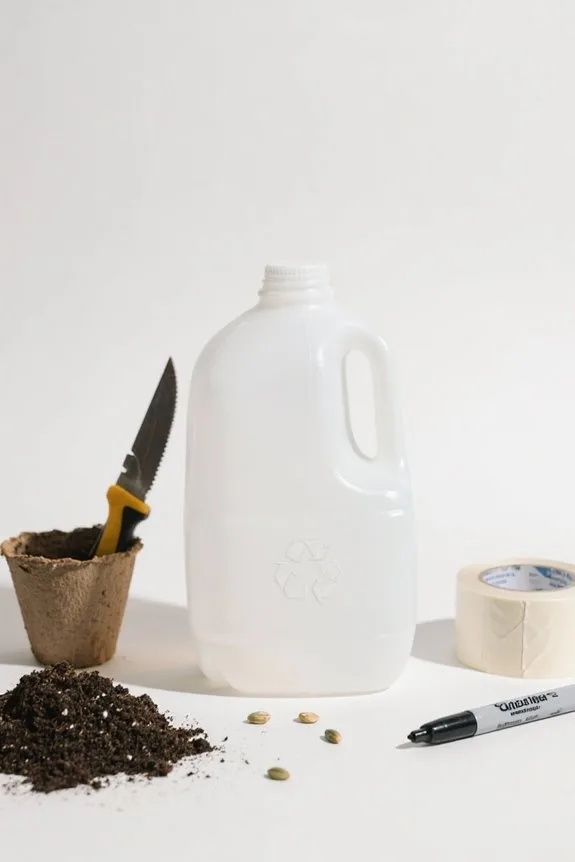
To prepare milk jugs for winter sowing, it is essential to start with a thorough cleaning and drying process, ensuring that the jugs are free from contaminants that could affect seed germination. First, using a utility knife, cut a horizontal line around the jug, leaving a 2-inch hinge near the handle for easy access. Next, poke several drainage holes in the bottom and sides to prevent waterlogging and allow excess moisture to escape. Fill the bottom half of the jug with approximately 4 inches of pre-moistened potting soil, which should retain moisture without becoming overly saturated. Consider using eco-friendly materials when selecting soaker hoses, as they provide consistent moisture distribution for optimal plant growth. After sowing your seeds on top of the soil and covering them lightly, seal the jug with duct tape to create a mini-greenhouse environment.
Suitable Seeds for Winter Sowing
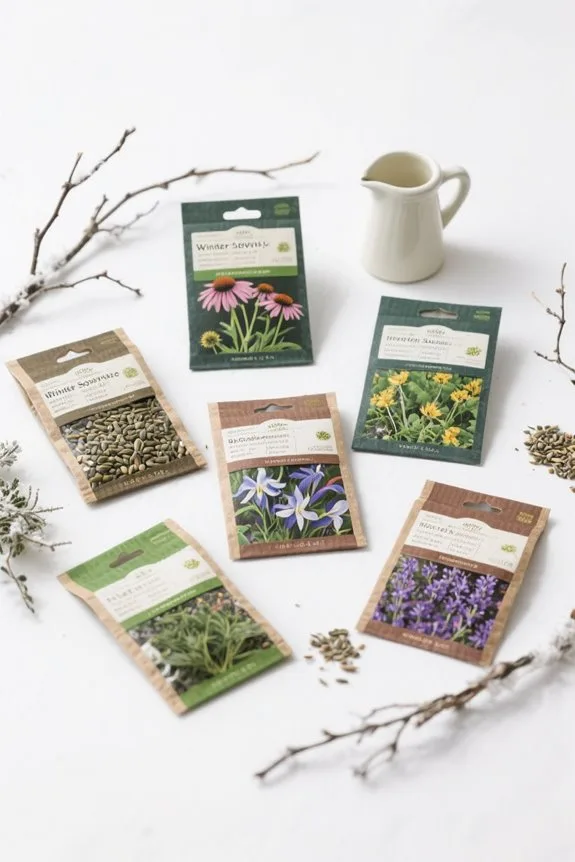
Many gardeners find that selecting the right seeds for winter sowing greatly enhances their success rates. Ideal candidates are cold-tolerant seeds, such as native perennials and hardy annuals, which can endure freezing temperatures. Recommended options include hollyhock, coneflower, love-in-the-mist, poppies, and snapdragons. These plants benefit from winter sowing since they require cold stratification for germination, mirroring their natural conditions. It is essential, however, to avoid tender annuals that thrive in warmer climates, as they do not perform well in this method. Winter rye seeds, known for their strong cold resistance, could also be considered for winter sowing, as they thrive in cold conditions and enhance soil health. Consequently, gardeners should focus on robust varieties that can tolerate chilly weather. Experimentation with different types of hardy plants may yield satisfactory results, providing a diverse and resilient garden come spring.
Step-by-Step Instructions for Planting
Gathering a few essential materials is the first step in conducting winter sowing in milk jugs. Start by collecting clean plastic milk jugs; it is important to remove labels for visibility. Using a utility knife, cut the jug horizontally, leaving a two-inch flap as a hinged access point. Next, poke several drainage holes in the bottom to prevent overwatering, and fill the bottom half with pre-moistened potting mix to a depth of about four inches. After preparing the soil, sprinkle seeds on top and lightly cover them with additional potting mix if necessary. Finally, seal the jug with duct tape to guarantee a greenhouse effect, and place it in a sunny outdoor location to facilitate growth. Using open pollinated seeds ensures that the resulting plants will be more resilient to pests and diseases, promoting a sustainable gardening practice.
Caring for Your Milk Jugs
Caring for the milk jugs after planting is essential for guaranteeing successful seedling growth throughout the winter months. Regularly check moisture levels in the soil, watering from the bottom if it appears dry to maintain ideal hydration. It is important to make sure that drainage holes are functioning properly to prevent waterlogging or excessive moisture retention, which could harm the seedlings. Monitor sunlight exposure, adjusting the jugs’ position to confirm they receive adequate light for healthy growth. Anti-siphon valves, such as those used in irrigation systems, can help prevent backflow contamination, ensuring that water remains clean and safe for your seedlings. As spring approaches, gradually remove the duct tape seal when the soil temperature is suitable for transplanting. Finally, carefully acclimate seedlings by slowly exposing them to outdoor conditions before transplanting to minimize shock and assure stability in their new environment.
Where to Place Your Winter Sowing Containers
Where should one place winter sowing containers to confirm ideal seedling growth? Ideally, milk jugs should be positioned in a sunny location that receives at least six hours of sunlight daily. This exposure promotes healthy growth and helps maintain warm temperatures. Additionally, placing these containers in a sheltered area protects them from harsh winds and extreme weather conditions, further supporting development. To prevent waterlogging, avoid areas that are prone to flooding or standing water, confirming good drainage. A flat surface, such as a patio or garden bench, facilitates easy monitoring of moisture levels. Consistently check to verify that temperatures remain stable and above freezing to achieve optimal seedling development throughout the winter months. By considering the ideal growing conditions for both winter sowing and other plants like Hass avocado trees, gardeners can optimize their success in various planting methods.
Monitoring Seed Germination
As the winter season progresses, monitoring seed germination becomes essential for successful growth. Regularly check moisture levels in the milk jugs, guaranteeing the soil is damp but not waterlogged, as this promotes healthy germination. With spring approaching, keep an eye on temperature fluctuations; adjusting the jugs’ placement can improve sunlight exposure for the active growth stage. Watch for emerging seedlings and, once they sprout, gradually remove duct tape to enhance air circulation and acclimatization. It’s important to document germination progress by noting which seeds successfully sprout and their respective growth rates. Finally, verify seedlings receive adequate moisture, using a shallow tray for bottom watering if rain is insufficient, maintaining consistent moisture levels for maximum development. Additionally, consider incorporating Purple Sensation Allium Bulbs in your garden plans; their ability to attract pollinators like bees and butterflies can enhance biodiversity and support healthy ecosystem interactions.
Transplanting Seedlings
Transplanting seedlings requires careful timing and attention to environmental conditions to assure success. It is essential to wait for stable temperatures above freezing to guarantee that seedlings can survive and thrive. Evaluating the seedlings’ strong plant condition is critical; a solid root structure indicates readiness for transplanting seedlings into the garden. During transplantation, it is advisable to divide seedlings into larger chunks, which can enhance their adaptation to the new environment. Additionally, removing the top half of the milk jug gradually helps acclimate seedlings to outdoor conditions, minimizing transplant shock. After transplanting, monitor growth patterns for each seedling to understand which plants succeed, and observe any adaptations to the varying garden conditions for improved future outcomes. Using drip irrigation hoses can significantly aid in conserving water while ensuring a steady supply of moisture to newly transplanted seedlings, fostering their growth effectively.
Recommended Products

Standard 3/4" Garden Hose Thread Connections

DWC Bucket +Top Drip Kit: Upgraded DWC hydroponic planting system adopts an unique top drip irrigation design; It provides a water circulation to keep the nutrient water fresher and easier to be absorbed

THE LONGEST & STRONGEST STAPLE ON AMAZON: Manufactured using tough 8 gauge thick steel, these staples will pierce through the hardest and toughest soils. The long 12 inch length ensures that the staple stays secure even in the toughest conditions. Dealing with sandy soil? No problem.
Recommended Flowers and Vegetables
Choosing the right flowers and vegetables for winter sowing in milk jugs can greatly influence gardening success. Recommended flowers include cold-hardy varieties such as bells of Ireland, scabiosa, larkspur, poppies, and snapdragons, which bloom vibrantly in spring. Suitable vegetables involve cool-season crops like kale, lettuce, and peas, which tolerate colder temperatures and benefit from winter’s natural stratification process. Additionally, native perennials like cone flowers and hollyhocks adapt well, providing habitats for pollinators. It is essential to select seeds that are labeled as cold-tolerant or those requiring cold stratification to guarantee peak germination during winter sowing. The best period to sow these seeds is after December 21st, with an emphasis on January and February for ideal establishment before spring planting.
Recommended Products

Food plot seed blend contains four even mixed parts of ladino, white, red, & crimson clover seeds.

One of the finest trailing junipers having a uniform, full centered growth habit with intense silver-blue evergreen foliage. Excellent for large scale groundcovers or cascading over walls.

VERSATILE BIENNIAL FORAGE CROP: Our Alsike Clover Seed offers a flexible solution for hay, grazing, and pasture mixes, making it an ideal choice as deer food plot seed, and diverse agricultural needs. Growing at 24 to 48 inches tall, its adaptability makes it especially useful in cooler regions, performing reliably as a short-lived perennial often treated as a biennial.
Engaging With the Gardening Community
Engaging with the gardening community can greatly enhance the winter sowing experience for individuals interested in this method. By participating in local gardening groups, individuals can exchange personal stories and share insights about successful seed varieties and techniques. Many community gardens offer workshops focused on winter sowing, which provide hands-on learning opportunities to improve skills. Online forums are also valuable resources, allowing gardeners to discuss the milk jug method effectively and troubleshoot challenges. Additionally, sharing photos and updates of winter sowing progress on social media can inspire others to adopt this technique. Libraries often host gardening events, fostering collaboration and enthusiasm among those who embrace the season of growing. Engaging with the community enriches the overall gardening journey.
Frequently Asked Questions
When Should I Start Winter Sowing in Milk Jugs?
To start winter sowing in milk jugs, ideal dates are January and February. Selecting the best seeds suited for winter conditions, while considering perfect climate factors and container tips, guarantees successful seed germination and growth.
Does Milk Jug Seed Starting Really Work?
Does the sun rise without promise? Indeed, milk jug seed starting boasts high success rates, thriving under ideal temperature control, efficient moisture management, and adequate light exposure, favoring various seed types like hollyhocks and coneflowers.
How to Prepare Jugs for Winter Sowing?
To prepare milk jugs, modify the lid, create drainage holes, fill with potting mix, and select appropriate seeds. Proper location placement guarantees sunlight and warmth, enhancing successful germination and growth during the winter sowing process.
What Are the Common Mistakes in Winter Sowing?
Mistakes in winter sowing resemble a garden neglected by winter’s breath: overwatering seedlings, poor jug placement, unsuitable seed choices, improper temperature control, and inadequate sunlight exposure stifle growth, leaving hopes for a bountiful bloom dim.


