As an Amazon Associate, we earn from qualifying purchases. Some links on this site are affiliate links at no extra cost to you. Our recommendations are based on thorough research and editorial judgment.

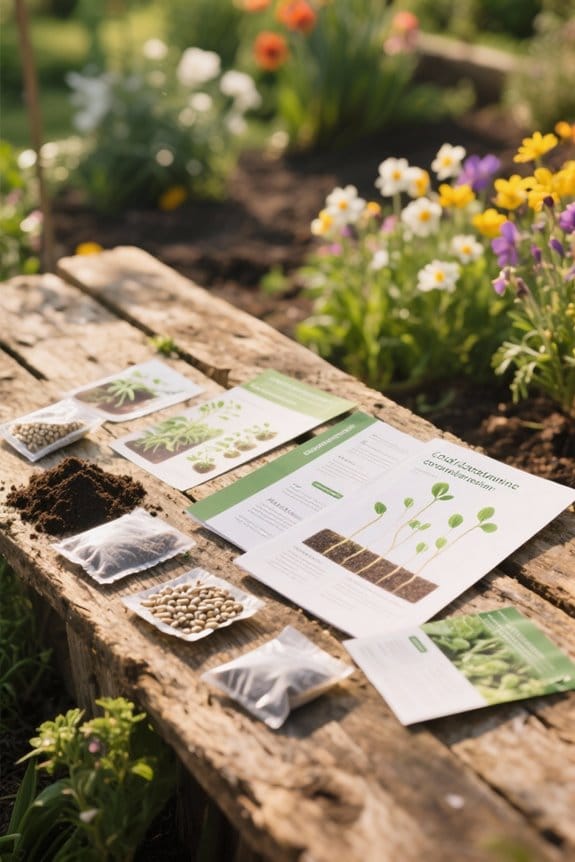
Cold Stratification 101: Tricking Seeds Into Germinating

Cold stratification simulates winter for seeds that need cold to germinate, improving germination rates from 10% to 95%. This process takes 4 to 15 weeks, depending on species. It requires a refrigerator set between 33 to 41°F, damp paper towels, and sealable plastic bags to maintain humidity. Consistently moist conditions and precise timing, particularly starting 2 to 3 weeks before the last frost, enhance seed growth and reduce disease risks. Further details can enhance your understanding of this essential technique.
Key Takeaways
- Cold stratification mimics winter conditions, crucial for breaking dormancy in seeds that require cold temperatures for germination.
- The process typically lasts 4 to 12 weeks, varying by species, and improves germination rates significantly.
- Seeds like asparagus may need longer stratification; research specific requirements for best outcomes.
- Use damp paper towels in sealable bags to maintain moisture while keeping seeds chilled in the refrigerator.
- Timing is essential; start stratification 2 to 3 weeks before the last frost date for effective germination.
Understanding Cold Stratification
Cold stratification is an essential technique used in seed preparation that simulates winter conditions needed for successful germination. This method helps break dormancy in seeds that require cold temperature for germination. Typically, seeds undergo cold stratification for 4 to 12 weeks in a refrigerator, depending on the specific species. The cold exposure softens hard seed coats, which can inhibit water absorption. During this process, monitoring moisture levels is critical; excess moisture can cause mold and rot, jeopardizing seed viability. Successful cold stratification results in improved germination rates and stronger seedlings, ensuring consistent emergence. It is particularly beneficial for perennial plants and certain tree species, making it an important step in seed propagation. High germination rates are crucial for maximizing garden yields and indicate the quality and viability of the seeds being prepared for planting.
Benefits of Cold Stratification

Successful seed germination relies greatly on techniques that enhance the conditions needed for seeds to thrive. Cold stratification offers numerous benefits by mimicking winter conditions, which facilitate the germination process. Many seeds require cold stratification to break dormancy and effectively absorb water, which is vital for seeds to germinate. This technique can greatly improve germination rates, increasing them from 10% to as high as 95% for certain species. Additionally, seeds that undergo cold stratification tend to produce more vigorous and resilient plants, enhancing garden aesthetics and productivity. This method also reduces the risk of seed rot and disease, promoting healthier growth in moist conditions for commonly stratified plants like St. John’s Wort, Artichokes, and Strawberries. Incorporating sustainability practices in gardening, such as using efficient irrigation systems, can complement the benefits of cold stratification by promoting water conservation and reducing waste.
Timing Your Cold Stratification

Timing is an important aspect of the cold stratification process, directly influencing seed germination success rates. Stratification involves exposing seeds to cold weather for a specific amount of time to prepare them for planting. Ideally, this process should start 2 to 3 weeks before the last frost date, ensuring seeds are ready to sprout in favorable conditions. Some seeds, such as Mary Washington Asparagus, require a longer stratification period of 10 to 15 weeks. Researching seed packet information is essential to determine the precise timing for different seeds. Proper timing can greatly improve germination rates, raising them from as low as 10% to as high as 95%, thereby facilitating successful plant growth and harvest. Drip irrigation systems, such as those that deliver water directly to plant roots, can complement the stratification process by conserving water and supporting healthy plant growth.
Recommended Products

Grow healthier seed start root system using the power of air pruning. Each cell has strips to allow wind / air to keep the roots from circling

Featuring 76 spacious growing cells per tray, you can ensure great seed-starts and propagations with Vego Garden’s Stackable Seedling Trays! Our innovative support columns allow you to stack your trays to save space for more gardening fun!

【Seed Germination Made Easy】The 72 cell plug trays provide individual compartments for optimal seed growth, while the 1020 trays offer a spacious base for easy watering and transplanting. Together, they create an ideal environment for healthy seedling development
Crops That Require Cold Stratification
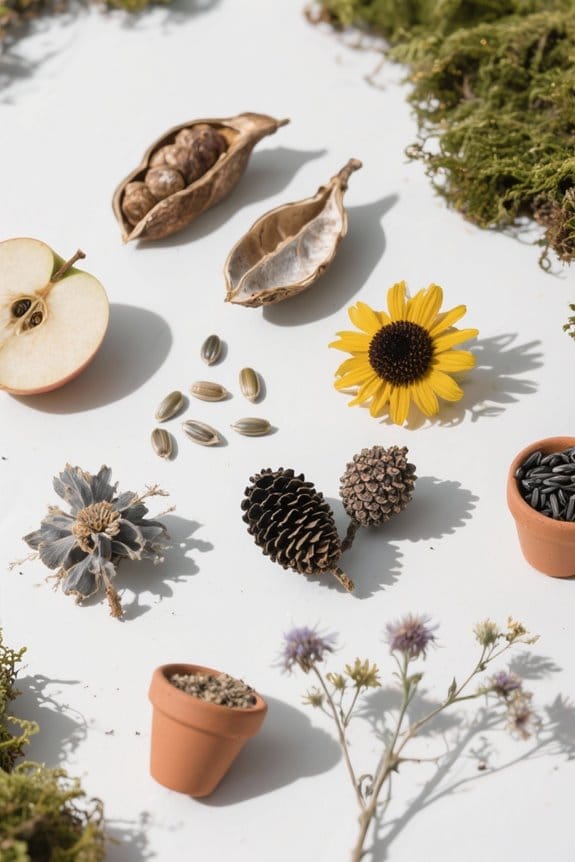
Many crops, especially those that are perennial or come from deciduous trees, require cold stratification to germinate effectively. Seeds that need this process include St. John’s Wort, Prairie Violet, and various deciduous species like oak and maple. These seeds typically possess hard seed coats, which inhibit germination without a simulated period of cold. To cold stratify, gardeners often place seeds in a moist bag within a refrigerator for about 30 to 60 days. This approach not only breaks dormancy but also enhances seedling vigor, particularly for native wildflowers in harsher climates. Before proceeding, it is advisable to research specific stratification needs through seed packets or gardening resources, as not all seeds necessitate this essential step. When selecting wildflower seeds, look for high germination rates to ensure successful planting and growth.
Recommended Products

Monarch Butterfly Wildflower Mix - 5 g Packet ~1,200 Seeds - Blend of: Milkweed seeds, Purple Coneflower seeds, Larkspur seeds, Zinnia seeds, Cosmos seeds, Marigold seeds, Liatris seeds, Wallflower seeds, Verbena seeds, Aster seeds, Indian Blanket seeds, and Mexican Sunflower seeds

Vigorous Growth: This hardy kiwi vine can reach heights of 20-30 feet, featuring heart-shaped, dark green leaves and a twining, climbing habit that requires support structures. Sweet and Tangy Fruits: The small, grape-sized fruits are referred to as 'Kiwi Berries', with a smooth, edible skin and a delightful sweet and tangy flavor, making them a perfect choice for healthy snacking or culinary uses.

Botanical Name: Myrica cerifera, a species of flowering plant in the family Myricaceae, native to the southeastern United States.
Materials Needed for Cold Stratification
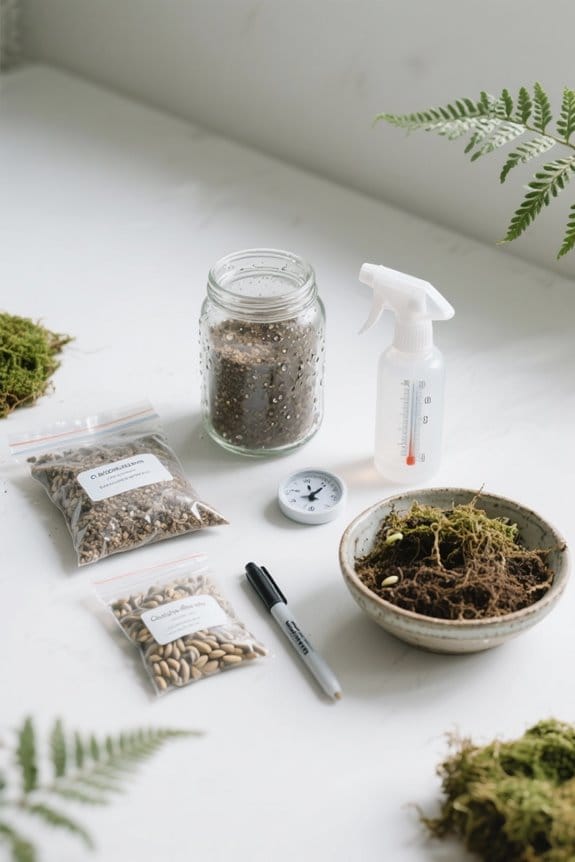
To effectively initiate the cold stratification process, several essential materials are required. First, gather the seeds that need stratification, along with a damp paper towel to maintain moisture. A sealable plastic bag is also necessary for enclosing the seeds and paper towel, creating a humid environment. Water is critical for keeping the towel damp throughout the process. A marker or pen is important for labeling the bags to track different seed varieties and their stratification durations. If using a mixed medium like sand or peat moss, a mixing bowl will be needed for preparation. Finally, make certain the refrigerator used maintains a temperature between 33 to 41°F, essential for proper cold stratification while regularly checking moisture levels. For better efficiency in your gardening, consider using drip irrigation systems that maximize water efficiency and minimize waste.
Recommended Products

Rosemarinus Officinalis - Non-GMO Open Pollinated Heirloom
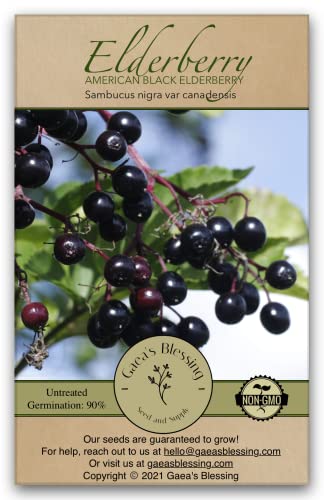
Sambucus canadensis - Non-GMO, Heirloom, Open-Pollinated
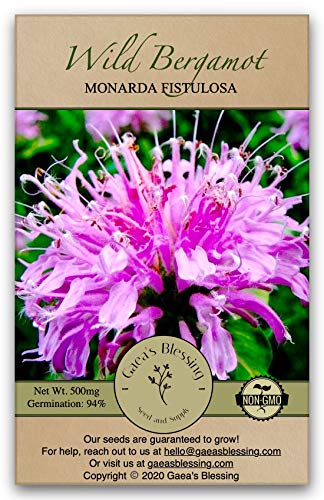
Monarda fistulosa - Open-pollinated. Non-GMO
Step-by-Step Process for Cold Stratification
The step-by-step process for cold stratification is straightforward yet essential for successfully germinating seeds that require this method. To cold stratify seeds, begin by mixing seeds with a moisture-retaining medium, such as damp sand or peat moss. This combination should be consistent and evenly mixed. Next, place the seed and medium mixture into a plastic bag or container to maintain moisture and prevent air exposure. Store the sealed plastic bags in the refrigerator, setting the temperature between 33 to 41°F for 4 to 12 weeks, depending on the seed variety listed on the seed packet. Periodically check the moisture level, ensuring it remains adequate to prevent drying out or mold formation. After the stratification period, plant the seeds in sterile growing medium. Consider using Mylar storage bags to preserve seed viability and extend their shelf life, as they effectively prevent moisture and air exposure.
Recommended Products
🌿 Transform Your Potting Mix – Plants Will Thank You Improve soil structure and drainage in seconds. This soft, fine-grain potting sand adds gentle aeration to indoor mixes, helping roots grow stronger, faster, and healthier in every pot.

【Valuable Flower Starter kits】:All in one grow kit. It includes 3 Bags of seeds(Rose), 3 planting bags, 3 peat pellets, 3 planting tool and growing kit manual. Transform our garden with vitaliable plant. We can't wait to start the planting tour.

Sweetly Fragrant Blooms and Foliage – Lavender features charming blossoms and silvery green leaves that emit a calming aroma, well suited for outdoor gardens and preserved dried arrangements.
Common Methods for Cold Stratification
Cold stratification offers three effective methods for preparing seeds that require this critical temperature treatment to germinate. The first method involves mixing seeds with damp sand; combine 1/4 cup of damp sand with seeds, seal them in a plastic bag, and place them in the refrigerator for approximately one month. The second method uses peat moss, where seeds are combined in a similar manner, providing a moist environment for ideal cold stratification. Finally, the soaking/paper towel method entails soaking seeds for 1-2 hours, laying them on a damp paper towel, rolling it up, and sealing it in a plastic bag before refrigeration. Maintaining a temperature between 33 to 41°F for 4 to 12 weeks helps guarantee successful germination. It’s essential to monitor moisture levels closely during cold stratification to prevent the seeds from drying out or becoming overly saturated.
Recommended Products

🦋 100,000+ HEIRLOOM WILDFLOWER SEEDS – SAVE THE MONARCHS – This premium seed mix includes 13 essential wildflowers that support monarch butterflies, hummingbirds, and pollinators, featuring Butterfly Milkweed seeds (Asclepias), Aster, Purple Coneflower seeds, Rocket Larkspur, Indian Blanket, Zinnia seeds, Marigold seeds, Cosmos, and more!
✔ Quality seeds packaged by MySeeds.Co All seeds sold by MySeeds.Co are Non-GMO based seed products and are intended for the current & the following growing season. "All seeds are produced from open pollinated plants, stored in a temperature controlled facility and constantly moved out due to popularity.

HEIRLOOM RED RHUBARB - Victoria Rhubarb (Rheum rhabarbarum) is a classic 1837 heirloom grown for tangy crimson red stalks used fresh, frozen, canned, or baked into pies and preserves
Effects of Long-Term Refrigeration on Seeds
Long-term refrigeration can significantly affect seed viability, leading to complications in the germination process. Seeds need specific conditions to thrive, and prolonged storage exceeding 4 to 12 weeks may result in diminished viability. Excessive moisture accumulation is a considerable risk, as it can cause rot and encourage mold growth. When seeds are refrigerated beyond a month, the humid environment can prove detrimental to their germination ability. Monitoring moisture levels is essential; too much moisture can suffocate seeds, hindering successful germination. To ensure the durability of the setup, selecting robust materials like ABS for any necessary seed storage containers is crucial. As a result, after stratification, it is imperative to directly sow seeds in a sterile mix to minimize potential contamination caused by persistent moisture or fungal issues. Understanding these factors guarantees better outcomes for seed germination.
Successful Planting After Cold Stratification
Ensuring successful planting after cold stratification involves several important steps that can directly influence seed germination. Seeds should be sown immediately after the last frost date to secure ideal conditions. It is essential to spread the seeds evenly across bare soil, keeping at least 1 to 2 inches apart to prevent overcrowding. To maintain adequate moisture levels, water the soil consistently after planting, which is necessary for germination success. Using a sterile seed starting mix minimizes disease risks and fosters a healthy environment for seedlings. Monitor germination closely; with proper care, sprouts should appear within three to four weeks. By following these guidelines, gardeners can maximize the benefits of cold stratification and promote robust plant growth. For those utilizing advanced irrigation systems, integrating them with smart technology can further enhance water efficiency and seedling success.
Frequently Asked Questions
Do You Cold Stratify in the Freezer or Refrigerator?
The refrigerator method is preferred, as cold stratification can last an ideal duration of 4 to 12 weeks, enhancing seed viability. The freezer method risks damage, while refrigeration offers better humidity control and consistent temperatures.
What Are Common Cold Stratification Mistakes?
Common cold stratification mistakes include improper cold stratification timing, neglecting seed variety selection, failing to maintain appropriate moisture levels, and choosing unsuitable containers. These oversights can considerably affect germination success and overall seed viability.
How Do You Trick Seeds to Germinate?
To awaken the slumbering seeds from their dormancy, one must embrace stratification methods, balancing temperature effects with moisture, hence nurturing the germination process and coaxing life from within the silent husks of potential.
Will Seeds Germinate During Cold Stratification?
Seeds do not germinate during cold stratification; they experience seed dormancy. The stratification duration at controlled temperatures allows for moisture absorption, priming them for the germination process once conditions become favorable in spring.