As an Amazon Associate, we earn from qualifying purchases. Some links on this site are affiliate links at no extra cost to you. Our recommendations are based on thorough research and editorial judgment.

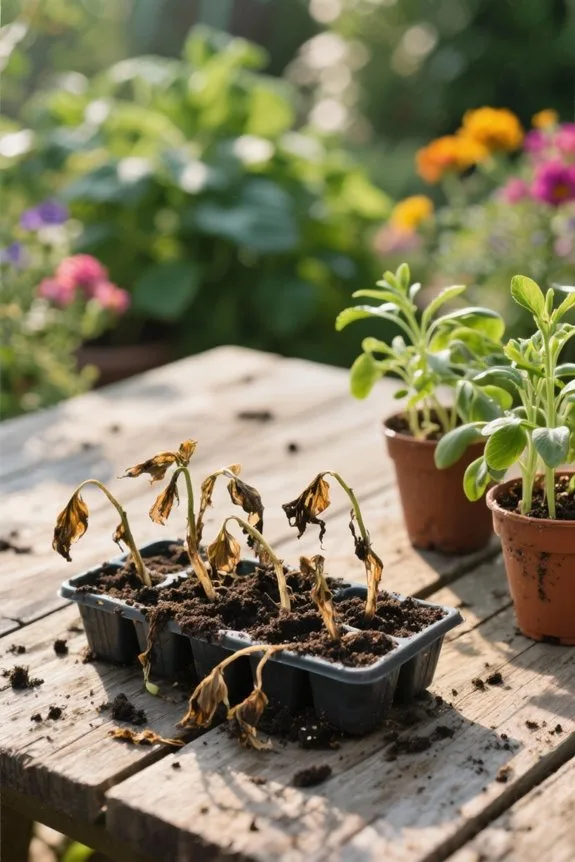
Damping Off Disease: Why Your Seedlings Are Dying and How to Stop It

Damping-off disease primarily affects young seedlings due to soil-borne fungi like Pythium and Rhizoctonia. Symptoms include discolored leaves, soft and mushy stems, and eventual wilting. The disease thrives in cool, wet conditions, especially when soil is overwatered. To prevent damping-off, use sterile seed-starting mixes, guarantee proper air circulation, and maintain ideal light exposure of 14-16 hours daily. Following effective watering practices can reduce moisture levels. Further insights on managing damping-off can enhance seedling health.
Key Takeaways
- Damping-off disease is caused by soil-borne fungi thriving in cool, wet conditions, leading to seedling collapse and death.
- Infected seedlings exhibit symptoms such as discolored, soft stems and leaves, often resulting in wilting or fuzzy mold growth.
- Prevent damping-off by using sterile seed-starting mix and avoiding the reuse of contaminated soil to eliminate pathogen risks.
- Ensure proper air circulation and light exposure (14-16 hours daily) while thinning seedlings to reduce humidity levels that favor fungal growth.
- Maintain ideal watering practices by allowing soil to dry between waterings to prevent excessive moisture that fosters fungal infections.
What Is Damping-Off?
Damping-off is a serious threat to young seedlings, stemming from soil-borne fungi like Pythium, Rhizoctonia, and Fusarium. This disease primarily affects seedlings during germination, especially in cool, wet soil conditions. As the pathogens develop, the seedlings collapse at or just below the soil line, leading to rapid decay. The presence of white mold often accompanies this decay, indicating considerable damage. Once damping-off manifests in the seedlings, they cannot be saved, marking the urgency of effective preventive measures. Implementing sterile seed-starting mixes can considerably reduce fungal exposure. Additionally, maintaining a humidity level around 50-70% and ensuring sufficient light will enhance seedling resilience. Providing adequate spacing can promote air circulation, further protecting young plants from this detrimental condition. Utilizing mushroom compost mulches can enhance soil health and nutrient content, providing an environment unfavorable to damping-off pathogens.
Symptoms of Damping-Off
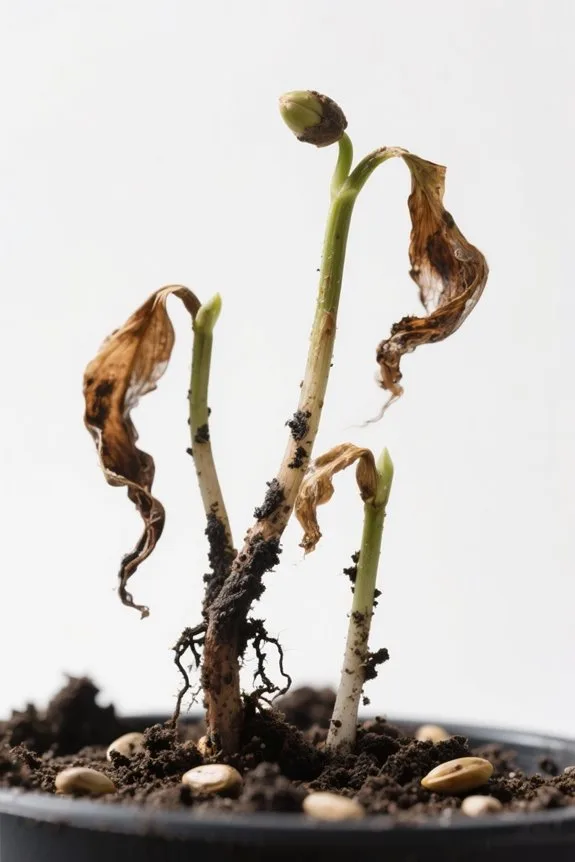
Symptoms of damping-off can considerably hinder seedling growth, and recognizing these signs early is vital. Infected seedlings may exhibit discolored stems and leaves, often turning brown or yellow, indicating infection near the soil line. These seedlings typically develop mushy, soft stems that lead to wilting and eventual collapse onto the soil surface. Additionally, a notable sign includes fuzzy, white mold appearing on or near the seedlings, particularly in conditions of high humidity. Damping-off can cause both pre-emergent, where seedlings fail to emerge, and post-emergent damping-off, where already healthy seedlings deteriorate rapidly after germination. Advanced irrigation systems, like the AIPER IrriSense Smart Sprinkler, can help maintain optimal moisture levels, reducing conditions that favor damping-off. Early detection is critical, as visible symptoms often precede rapid seedling death, making timely intervention vital for successful growth.
Causes of Damping-Off
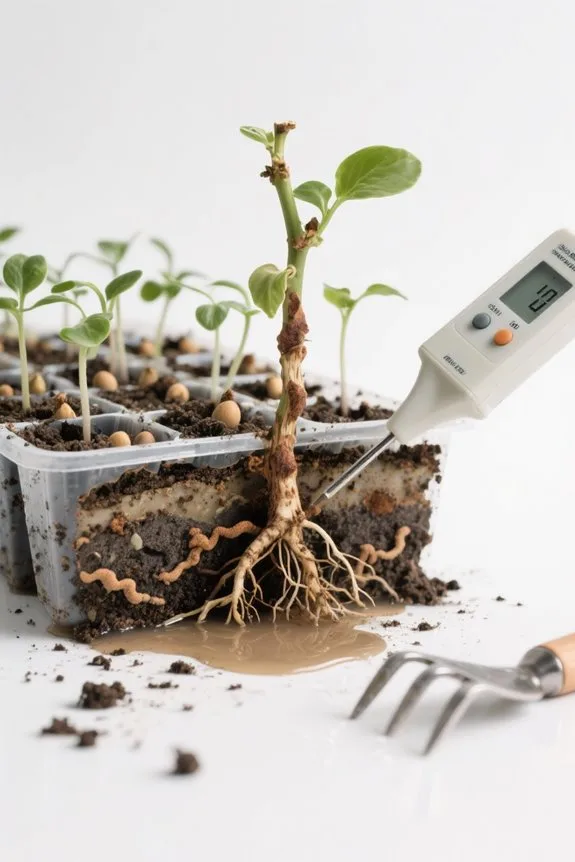
In many cases, damping-off arises from a combination of environmental factors and pathogens that thrive during early seedling growth. This disease is primarily caused by several soil-borne fungi, including Pythium, Rhizoctonia, and Fusarium. These pathogens prefer cool, wet conditions, making overwatered soil a prime environment for infection. Stagnant air and low light levels further exacerbate the problem, hindering the recovery of growing seedlings. Affected plants may exhibit symptoms such as discolored stems or collapse under their weight, often accompanied by white mold. Young seedlings are the most susceptible, while mature plants develop enhanced resistance over time. Maintaining proper sanitation and monitoring environmental conditions are crucial steps for preventing damping-off in the garden. One way to manage water distribution and avoid overwatering is by using a drip irrigation system, which maximizes water efficiency and reduces waste.
Recommended Products

9 Oz/sq yard - Approximately 13/64" (5mm) thick

Standard 3/4" Garden Hose Thread Connections

DWC Bucket +Top Drip Kit: Upgraded DWC hydroponic planting system adopts an unique top drip irrigation design; It provides a water circulation to keep the nutrient water fresher and easier to be absorbed
How Damping-Off Spreads
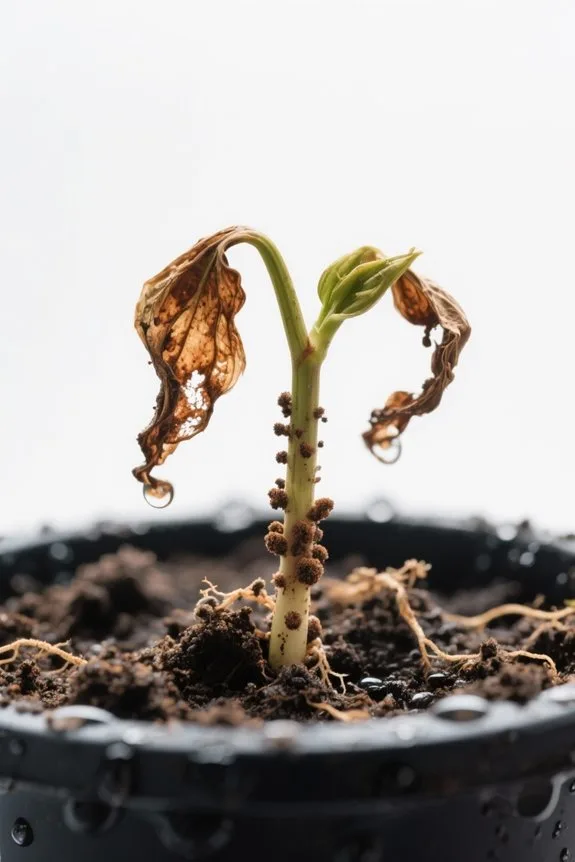
Effective transmission of damping-off disease occurs through various vectors, including contaminated soil, water, and infected plant materials. Fungal spores from pathogens such as Pythium, Rhizoctonia, and Fusarium can survive in soil for extended periods, enabling infection of seedlings, especially post-germination. Overcrowding and high humidity levels create favorable conditions, allowing damping-off to spread rapidly among seedlings. Wind, insects, and water movement serve as additional facilitators in dispersing fungal spores, which increases the risk of widespread outbreaks. To prevent damping-off, gardeners should avoid reusing contaminated soil and guarantee proper air circulation around seedlings. This helps minimize moisture accumulation, which is vital, as fungi and fungus-like organisms thrive in damp environments, further compounding the damping-off threat. Implementing cover crops like Hairy Vetch and Winter Rye can improve soil health by enhancing nitrogen levels and suppressing weeds, potentially reducing the risk of damping-off in subsequent plantings.
Environmental Conditions Favoring Damping-Off
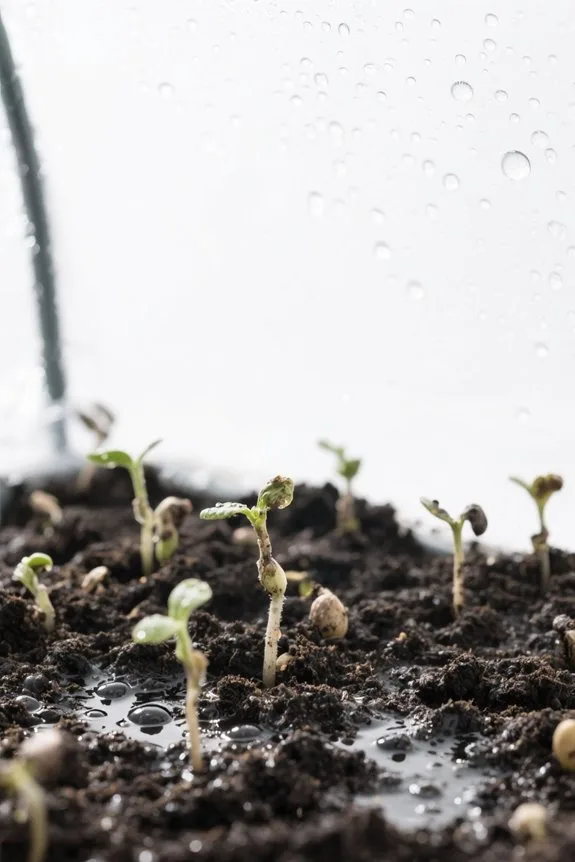
Understanding the environmental conditions that foster damping-off is essential for protecting seedlings from this detrimental disease. Damping-off thrives in wet soil, which encourages soil-borne fungi such as Pythium, Rhizoctonia, and Fusarium to proliferate. Additionally, cool temperatures below 70°F (21°C) increase the activity of these pathogens, making seedlings more susceptible to damping-off. High humidity levels, commonly caused by insufficient air circulation and overcrowded conditions, further facilitate the spread of fungal spores. Low light levels in early spring can weaken seedlings and render them vulnerable, as fungi tend to thrive in such conditions. Finally, improper watering practices, particularly overwatering, can create stagnant water, exacerbating moisture issues that lead to damping-off. Maintaining balanced moisture levels is vital for seedling health. Implementing a drip irrigation system can help regulate water distribution, minimizing the risk of overwatering and soil saturation.
Prevention Strategies
Creating a healthy environment for seedlings involves implementing strategic prevention measures against damping-off disease. First, use a sterile seed-starting mix when you sow seeds, as this minimizes the introduction of pathogenic fungi. Maintaining ideal watering practices is also essential; allow the soil to dry slightly between waterings to prevent excessive moisture. Ensuring seedlings receive 14-16 hours of direct light each day supports their growth, making them less susceptible to disease. Additionally, thin seedlings to improve air circulation and reduce humidity levels, creating an environment unfavorable for damping-off pathogens. Regularly sanitize tools and pots with a 10% bleach solution to eliminate contaminants. Consider using solar-powered garden lights to provide the necessary lighting while also being energy-efficient and environmentally friendly. These methods, when properly followed, are a good idea for preventing damping-off disease.
Recommended Products

FEEDS UP TO 6 MONTHS: Miracle-Gro Potting Mix is a gardening soil for outdoor containers that feeds all types of potted plants, including flowers, vegetables, shrubs, annuals, and perennials for up to 6 months

Coarse Horticultural Perlite: 4 pack large-grade perlite designed for potting soil, seed starting, propagation, hydroponics, organic gardening, and specialty plant mixes

100% Natural Soil Amendment for Plants - Plantonix Vermiculite Bliss is a natural soil amendment that traps nutrients in the soil, before gradually releasing them into plant roots as needed. Over time, vermiculite drastically improves nutrient retention and availability, leading to higher nutrient uptake and optimizing soil conditions for increased plant vigor.
Importance of Sterile Growing Medium
A sterile growing medium plays an essential role in the success of seedling development. Using a sterile seed-starting mix greatly reduces the risk of damping off, as it is specifically formulated to be free of harmful pathogens. Garden soil, however, is not recommended for starting seeds; it often contains harmful fungi that contribute to damping off. Pasteurized potting mixtures are ideal for seed planting because pasteurization effectively eliminates most soil-borne diseases. When reusing containers, it is critical to thoroughly wash and soak them in a disinfectant solution, preferably 10% bleach or 70% alcohol, to eradicate lingering damping off pathogens. Regular sanitization of trays and pots is essential to prevent the spread of these problematic organisms in future plantings. Consistently moist soil essential for seedlings not only aids in healthy growth but also reduces stress which can make plants more susceptible to diseases like damping off.
Recommended Products

Lightweight, Neutral, and Sterile Soil Additive: Coarse vermiculite is light, odorless, pH neutral (approximately 7), and sterile; use in potting mixes, soil blends, and growing media

Improves Root Development: Promotes faster root growth and strong anchorage in seedlings when mixed with soil, peat, composted bark, or nutrient-rich potting media blends

Besgrow Spagmoss is a natural, renewable product harvested sustainably from wetlands on the pristine West Coast of New Zealand’s South Island. Spagmoss is used extensively to grow orchids and other moisture loving plants and to sustain growing environments for plants and reptiles
Light Requirements for Healthy Seedlings
Light is an essential factor in the successful growth of seedlings, as they typically require at least 12 hours of direct light each day to thrive effectively. To encourage healthy growth, seedlings benefit from 14 to 16 hours of light exposure daily. Insufficient light can weaken seedlings, making them more susceptible to damping off disease, particularly in early spring when light levels are lower. Fungi thrive in these low-light conditions, further jeopardizing seedling health. Utilizing grow lights can help provide the necessary illumination when natural light is inadequate. Proper light intensity and duration are critical, influencing the strength of stems and the overall resilience of seedlings against diseases like damping off. Ensuring ideal light conditions is crucial. Using tools like Germany Steel Pruning Shears can help maintain healthy growth by allowing for precise cuts, which promotes healthy plant growth.
Best Practices for Seedling Care
To guarantee the healthy development of seedlings, several best practices should be followed to minimize the risk of damping off disease. Utilizing a sterile seed-starting mix is essential, as it prevents soil-borne pathogens that may lurk in standard garden soil. Watering seedlings during mid-morning helps excess moisture evaporate, reducing humidity levels that favor fungus. Additionally, providing 12 to 16 hours of adequate light daily strengthens seedlings and decreases their vulnerability. It is also vital to practice thinning seedlings; this prevents overcrowding and promotes necessary air circulation. Finally, regularly sanitizing pots and trays with a dilute bleach solution before reuse removes potential spores and pathogens, further safeguarding young plants against damping off. To enhance your outdoor space, consider installing solar-powered path lights that offer durable construction and weather resistance.
Recommended Products

Super Coarse Professional Grade: Processed into large, durable granules to maintain pore space in potting mixes. Provides a balance of moisture retention and oxygen flow to prevent soil compaction in deep containers.

Moisture Retention: Absorbs and holds water and nutrients within the root zone. Releases moisture slowly to maintain hydration between waterings.

PURE HORTICULTURAL GRADE PERLITE - Each Bag is 8 Quarts and ~2 lbs - (granule size about one eighth of an inch) - Mountain Valley Seed Company Brand
Frequently Asked Questions
How to Stop Seedlings From Dying?
To stop seedlings from dying, one must focus on ideal seedling care by managing soil moisture, ensuring it dries slightly between waterings, and providing optimal lighting of at least 12 hours daily for robust growth.
How Do You Treat Damping-Off Disease?
Damping-off disease cannot be treated effectively once symptoms appear. Preventive measures like soil sterilization and healthy practices, such as maintaining ideal conditions and using sanitized tools, are essential to minimize the risk of infection.
What Temperature Kills Damping-Off?
Temperatures exceeding 80°F (27°C) effectively kill damping-off pathogens. For ideal germination temperatures, maintaining cooler soil conditions while managing soil moisture promotes seedling disease prevention, creating a healthier environment for young plants to thrive.
Can I Spray Fungicide on Seedlings?
Fungicide application on seedlings is generally ineffective once symptoms appear. To guarantee seedling health, preventive measures, such as applying fungicides before planting and maintaining proper sanitation and watering practices, are essential for successful growth.


