As an Amazon Associate, we earn from qualifying purchases. Some links on this site are affiliate links at no extra cost to you. Our recommendations are based on thorough research and editorial judgment.

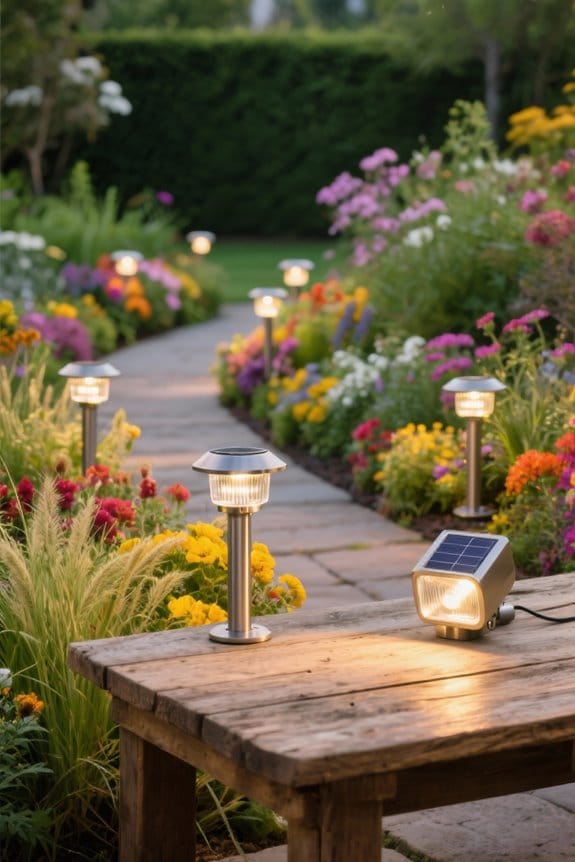
Creative Ways to Use Path Lights in Flower Beds (Not Just Walkways)

Path lights in flower beds provide both safety and aesthetic enhancements. Installing low-voltage LED fixtures along the edges improves visibility, reducing tripping risks and illuminating blooms. Strategically placed lights can highlight unique plant features, casting gentle shadows that create depth. Adjustable beams can narrow focus on specific plants, while staggered heights provide dimensionality. Using durable materials like aluminum guarantees longevity, and regular maintenance, such as cleaning and checking waterproof ratings, maximizes performance. Discover more effective uses for path lights in garden design.
Key Takeaways
- Illuminate focal points by positioning path lights among seasonal blooms to accentuate their colors and create captivating visual interest in flower beds.
- Use staggered heights for path lights to enhance depth and dimension, showcasing diverse textures and elevating the overall garden design.
- Highlight unique plant features by directing adjustable beam lights onto specific plants, creating shadows and emphasizing their natural beauty and form.
- Create defined garden borders with low-voltage or solar lights along the edges of flower beds, improving safety while enhancing aesthetic appeal.
- Incorporate solar-powered path lights for eco-friendly illumination, reducing electricity costs and enabling easy installation without wiring, while maintaining low maintenance needs.
Enhancing Safety With Path Lights in Flower Beds
Path lights serve as practical solutions for enhancing safety in flower beds, particularly as nighttime falls. Installing these lights along the edges of flower beds illuminates vibrant blooms, providing clear visibility while walking through outdoor spaces. Strategically positioning low-voltage or solar path lights reduces the risk of tripping on uneven ground, promoting safety without the need for complex wiring. The soft glow from these lights not only prevents accidents but also enhances aesthetic appeal, creating a warm and inviting atmosphere. By placing path lights at even intervals, homeowners can ascertain a balanced distribution of light, guiding guests safely through gardens. This eco-friendly lighting option enriches evening experiences, allowing enjoyment of flower beds throughout the night. Additionally, selecting path lights with an IP65 waterproof rating can ensure durability in various weather conditions, making them a reliable choice for long-term outdoor use.
Recommended Products

𝐇𝐞𝐚𝐯𝐲-𝐃𝐮𝐭𝐲 𝐒𝐨𝐥𝐢𝐝 𝐁𝐫𝐚𝐬𝐬: Gardenreet premium pathway light is built to last. Completely rust-resistant for salty or humid climates, it outperforms aluminum by over 10x. Achieve a designer landscape effortlessly — Once you install, lifelong you use

𝐇𝐞𝐚𝐯𝐲-𝐃𝐮𝐭𝐲 𝐒𝐨𝐥𝐢𝐝 𝐁𝐫𝐚𝐬𝐬: Gardenreet premium pathway light is built to last. Completely rust-resistant for salty or humid climates, it outperforms aluminum by over 10x. Achieve a designer landscape effortlessly — Once you install, lifelong you use
𝐇𝐞𝐚𝐯𝐲-𝐃𝐮𝐭𝐲 𝐒𝐨𝐥𝐢𝐝 𝐁𝐫𝐚𝐬𝐬: Gardenreet premium pathway light is built to last. Completely rust-resistant for salty or humid climates, it outperforms aluminum by over 10x. Achieve a designer landscape effortlessly — Once you install, lifelong you use
Highlighting Seasonal Blooms With Path Lighting

When evening descends, strategically placed lights within flower beds can transform the appearance of seasonal blooms, creating an enchanting display. Low-voltage LED path lights are an energy-efficient option that highlights vibrant colors while enhancing the garden’s aesthetics. Gardeners can benefit from adjustable beam angle path lights, allowing for customized illumination that directs focus on seasonal blooms at varying heights and depths. By installing these lights along the borders of flower beds, blossoms become visible from multiple viewing angles, fostering a more dynamic landscape. Utilizing warm-toned bulbs enhances the natural beauty of the flowers, contributing to a cozy ambiance that complements seasonal changes. This thoughtful lighting design not only accentuates blooms but also elevates the overall charm of the garden. When choosing path lights, consider durability and weather resistance to ensure they withstand diverse environmental conditions.
Recommended Products

【1000W Motor & Extended Range】Powered by a high-performance 1000W brushless motor, this powered mobility scooters delivers reliable power for everyday travel and effortlessly climbs slopes of up to 25°. The 48V 20Ah long-lasting battery provides an extended driving range on a single charge, making it ideal for shopping, neighborhood rides, parks, and daily commuting.

𝐒𝐨𝐥𝐢𝐝 𝐁𝐫𝐚𝐬𝐬 𝐂𝐨𝐧𝐬𝐭𝐫𝐮𝐜𝐭𝐢𝐨𝐧: Made from brass, outside landscape flood lights resist rust, oxidation, corrision and high temperatures. These sturdy ETL certified wall wash lights can perfectly blend into your landscape and make a decorative effect

【Powerful Design】: 300 Watt 27000 Lumen Flood Light, 180° Beam Angle, Adjustable Metal Bracket, 2800-3200K Warm White, 369 LEDs, 2835 LED Chips Energy Saving, IP65 Waterproof, No flickering, Long Lifespan.
Creating Depth and Dimension in Your Garden
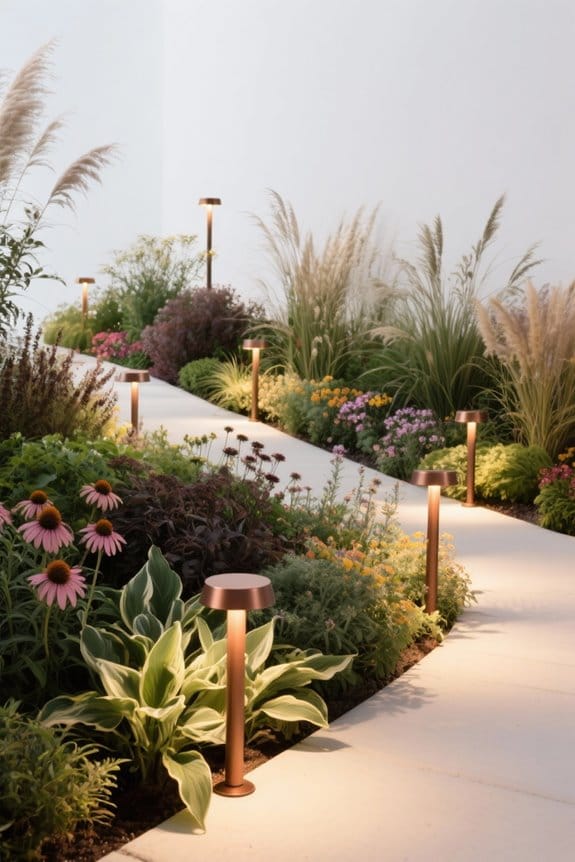
Creating depth and dimension in a garden requires careful planning and strategic lighting placement. By installing low-voltage LED path lights throughout flower beds, homeowners can achieve an inviting glow that enhances visual interest and energy efficiency. Carefully focusing path lights on specific flowers or plant clusters creates focal points that attract attention and deepen the garden’s appearance. Employing staggered heights for path lights adds layers of illumination, effectively simulating a three-dimensional landscape. Additionally, illuminating borders of flower beds showcases diverse plant textures and colors. This strategic application of lighting not only fosters exploration within the space but also contributes to a dynamic landscape that captivates visitors and enriches the overall gardening experience. Weather resistance of pathway lights ensures they remain operational in various climates, providing consistent illumination throughout the year.
Using Path Lights to Define Garden Borders

A well-defined garden border enhances both functionality and visual appeal, guiding visitors through the landscape. Installing path lights along flower bed edges not only defines garden borders, but also adds depth to the design. Using low-voltage LED path lights provides a gentle illumination that highlights the colors of blooms, avoiding harsh glare. Proper spacing of path lights at 6-8 feet apart guarantees an even glow, enhancing safety and usability during nighttime. These lights serve a dual decorative purpose by accentuating contours while deterring foot traffic from flower beds. Therefore, path lights contribute to maintaining the integrity of garden design and create a welcoming atmosphere, making navigation through your outdoor space both safe and visually appealing. Low voltage lights are generally more energy-efficient than solar options, providing cost-effective illumination for outdoor settings.
Recommended Products

FULL BRASS HOUSING AND LARGER ABS STAKE: New and improved design from Gardencoin, 63% copper, heavy-duty construction, strong and durable landscape path light with large ground stake to keep it upright and not tilted

【Grated Solid Brass Top & 360° Anti-Glare Illumination】Crafted with heavy-duty solid brass top and reinforced nylon bottom, this fixture outperforms aluminum/plastic alternatives with military-grade corrosion resistance. The precision cut brass grille prevents glare and eliminates harsh light while maintaining 360° illumination, eliminating eyestrain on walkways/driveways. Reinforced 3mm thick grille withstands 200 lbs. of mower impact

【ALL-IN-ONE LANDSCAPE LIGHTING KIT & COST SAVING】 Buy the set for $399.99, buy the items separately for $480.95—save $80.96. Comes with everything you need: 12*5W landscape spotlights (with pre-installed MR16 LED bulbs), 1*200W low voltage transformer (timer & dusk-to-dawn sensor included), 1*150FT 14/2 AWG landscape wire, 12*wire connectors, and a user manual. No need to purchase additional accessories – truly plug-and-play for your outdoor lighting project
Drawing Attention to Unique Plant Features
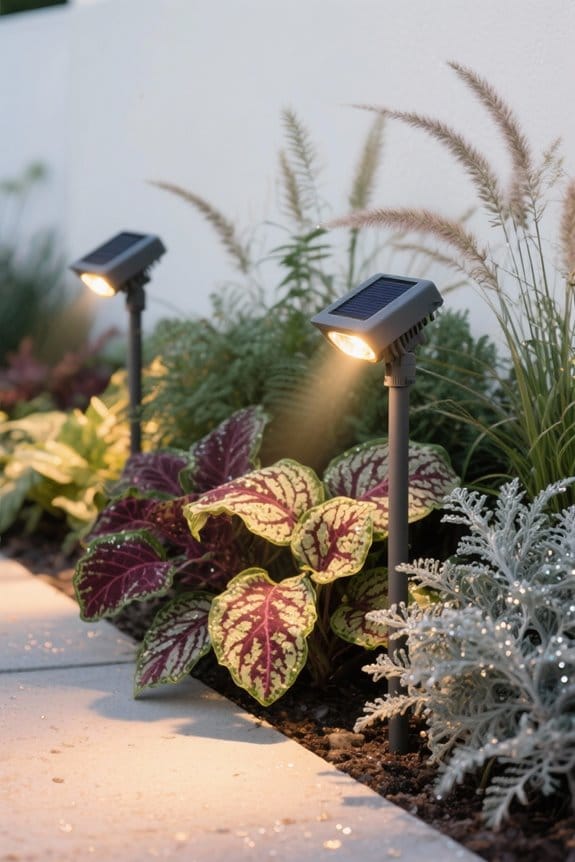
Illuminating unique plant features in a garden can significantly enhance its overall aesthetic, especially during the evening hours. Path lights, strategically placed within flower beds, create a soft glowing effect that highlights vibrant blooms and foliage. By installing lights at varying heights—front of taller plants or behind shorter ones—gardeners can add depth and dimension, enhancing visual appeal. Utilizing warm-toned LED path lights emphasizes natural hues, creating an inviting atmosphere. Proper positioning also allows path lights to cast shadows on attractive foliage, fostering visual interest and enhancing nighttime aesthetics. Additionally, incorporating reflective surfaces, such as water features or garden ornaments, further amplifies illumination, making unique plant features stand out distinctively after dark. Furthermore, selecting path lights with IP65 waterproof ratings ensures durability against various weather conditions, providing reliable performance throughout the seasons.
Layering Lighting for a Magical Nighttime Effect
While it may seem straightforward, effective layering of path lights requires careful consideration of positioning and height to achieve a truly magical nighttime effect. Integrating path lights into flower beds enhances beauty by illuminating diverse textures and colors. Utilizing staggered heights allows for varying light intensities, which boosts the magical atmosphere and highlights specific floral arrangements. Employing warm-toned bulbs creates soft ambient lighting, guiding observers’ gazes to focal points. By directing lights upwards towards taller plants, one can create dramatic shadows, adding depth and richness to the space. Beyond aesthetics, these lights provide safety through improved nighttime visibility, transforming gardens into enchanting environments that invite evening enjoyment while celebrating the natural allure of flora. Amber solar path lights are eco-friendly, as they utilize renewable solar energy for illumination, eliminating the need for electricity and reducing the carbon footprint.
Incorporating Path Lights With Other Landscape Features
Incorporating path lights with other landscape features can greatly enhance the overall aesthetic and functionality of outdoor spaces. Strategically placed path lights within flower beds can illuminate plants, enhancing their colors and creating a fascinating visual display at night. By positioning lights alongside garden sculptures or decorative stones, homeowners can highlight cherished landscape features, making them focal points. Outlining flower bed edges with path lights clearly delineates different garden areas, guiding guests and protecting plantings. Uplighting techniques can also accentuate taller plants and trees, adding depth to the lighting design. In addition, blending path lights with hardscape elements, like retaining walls or decorative pathways, can create a cohesive and inviting atmosphere, improving usability after dark. The durability of materials used in landscaping lights, such as those with an IP65 waterproof rating, ensures they perform well under various weather conditions, making them a reliable choice for outdoor installations.
Recommended Products
𝐇𝐞𝐚𝐯𝐲-𝐃𝐮𝐭𝐲 𝐒𝐨𝐥𝐢𝐝 𝐁𝐫𝐚𝐬𝐬: Gardenreet premium pathway light is built to last. Completely rust-resistant for salty or humid climates, it outperforms aluminum by over 10x. Achieve a designer landscape effortlessly — Once you install, lifelong you use
𝐇𝐞𝐚𝐯𝐲-𝐃𝐮𝐭𝐲 𝐒𝐨𝐥𝐢𝐝 𝐁𝐫𝐚𝐬𝐬: Gardenreet premium pathway light is built to last. Completely rust-resistant for salty or humid climates, it outperforms aluminum by over 10x. Achieve a designer landscape effortlessly — Once you install, lifelong you use

Sturdy Solid Brass Top: The LED solid brass well lights surpass other materials in corrosion resistance, rust resistance, and impact resilience, enduring for years. Feel the quality of the heavy duty in ground lights in your hands. The antique bronze finish adds an extra layer of protection against oxidation and rust. These in ground well lights seamlessly blend with the outdoor surroundings, offering a touch of luxury that makes your home the envy of the neighborhood
Choosing the Right Path Light Fixtures for Flower Beds
How can homeowners choose the right path light fixtures for their flower beds? Selecting low-voltage LED path light fixtures is advisable for their energy efficiency and longevity. These fixtures provide adequate brightness while not overwhelming delicate blooms. Fixtures with adjustable beams allow homeowners to focus illumination on specific plants or features, enhancing the overall aesthetic. It is also important to choose weather-resistant options, preferably made from durable materials like aluminum or stainless steel, ensuring they withstand the elements. Warm-toned bulbs can enhance the natural colors of flowers, creating a cozy ambiance in the evening. Additionally, solar-powered lights are a smart choice, harnessing sunlight during the day to illuminate flower beds at night, thereby reducing electricity costs. Selecting fixtures with IP65 waterproof rating ensures reliable performance in various weather conditions, protecting the lights from rain and harsh environments.
Recommended Products

𝐒𝐨𝐥𝐢𝐝 𝐁𝐫𝐚𝐬𝐬 𝐂𝐨𝐧𝐬𝐭𝐫𝐮𝐜𝐭𝐢𝐨𝐧: Made from sturdy brass, well constructed mushroom-top low voltage pathway lights. Resistant to rust and corrosion. The premium brass landscape lighting blends into your landscape. Once you install, lifelong you use, and saves on repair

6 BRASS SPOTLIGHTS - The included solid brass (black finish) spotlights feature toolless adjustability for precision aiming of light output, pre-attached ground stakes for quick and easy installation, 25-foot lead wires and pre-installed LED MR16 bulbs (5W | 400 lumens | 38 degrees | 2700K warm white). Ideal for illuminating small trees and bushes, statuary, architectural features and other uplighting applications.

【Solid Brass & Premium Build】Made of solid brass, this path light resists rust and corrosion for long-lasting outdoor use. Featuring a classic China hat design, it mixes classic elegance with modern style. Equipped with a heavy-duty ABS ground stake, this outdoor light stays steady in wind, rain and rough ground, ideal for permanent garden lighting.
Maintenance Tips for Flower Bed Path Lighting
Maintaining flower bed path lighting is vital for ensuring both functionality and aesthetic appeal. Regularly clean lenses to eliminate dirt and debris, which can reduce brightness considerably. Inspect path lights regularly and replace any burned-out LED bulbs; these bulbs can last between 15,000 and 50,000 hours. To maintain visibility, trim foliage surrounding the lights to prevent overgrowth from obstructing illumination. Additionally, check electrical connections and solar panels for signs of wear or damage, as maintaining these components is essential for performance, particularly with solar lights. Opt for weather-resistant path lights to minimize replacement needs, enhancing durability and operational efficiency in various weather conditions. Choosing an IP65 waterproof rating is crucial for sustained outdoor use. Consistent attention to these maintenance tips will prolong the life of your flower bed lighting.
Frequently Asked Questions
What Are Some Creative Garden Light Ideas?
Creative garden light ideas include ambient lighting through fairy lights and decorative fixtures, seasonal displays with color variations, solar options for eco-friendliness, and uplighting techniques that highlight garden sculptures and plants with LED accents.
What Is the Moonlighting Technique in Landscape?
The moonlighting technique in landscape design employs lighting placement in tree canopies to create soft moonlighting effects. This ambient lighting enhances outdoor aesthetics, illuminating night textures and fostering a tranquil garden atmosphere within creative landscapes.
What Is the Rule of Thumb for Landscape Lighting?
“Where there’s light, there’s life.” The rule of thumb for landscape lighting includes considering design principles, light color, fixture types, placement strategy, and seasonal adjustments to enhance safety, energy efficiency, and architectural highlights with dimming options.
Where to Put Pathway Lights?
Pathway light placement should focus on flower bed illumination, utilizing lighting height variations and considering seasonal changes. Compatibility with fixture styles, solar power options, and color temperature influence guarantees balanced aesthetics in lighting design harmony.