As an Amazon Associate, we earn from qualifying purchases. Some links on this site are affiliate links at no extra cost to you. Our recommendations are based on thorough research and editorial judgment.

Why Some Seeds Need Light to Germinate and Others Need Darkness

Certain seeds require light to germinate, known as positive photoblastic seeds, while others thrive in darkness, referred to as negative photoblastic seeds. Positive photoblastic seeds need light exposure for dormancy to break, commonly seen in smaller seeds like some flowers. Conversely, larger seeds and many vegetables prefer darkness for germination to promote healthier growth. Understanding these preferences is essential for successful cultivation. Continuing on this subject reveals more details about sprout cultivation and their specific requirements.
Key Takeaways
- Positive photoblastic seeds require light exposure to break dormancy and initiate germination.
- Negative photoblastic seeds germinate better in darkness, as light can inhibit their growth.
- Smaller seeds, like certain flowers, depend on light for optimal growth conditions.
- Larger seeds and many vegetables prefer darkness for germination and root establishment.
- The key factors for both seed types include light duration and quality during the germination process.
Light vs. Darkness: A Quick Overview
When considering seed germination, understanding the effects of light and darkness is essential for successful growth. Positive photoblastic seeds, which typically have thin seed coats, require light to break dormancy and germinate effectively. Many small seeds, such as certain flower varieties, depend on light exposure for healthy growth. In contrast, negative photoblastic seeds thrive in darkness; light exposure can hinder their germination process. Larger seeds and many vegetables generally prefer to germinate in the dark, although seeds indifferent to light, like most vegetables, can sprout without immediate exposure. The duration and quality of light are vital factors, as positive photoblastic seeds need consistent light, whereas negative photoblastic seeds require complete darkness initially for best results. High germination rates are often linked to the quality and conditions suitable for either type of seed, ensuring robust plant growth.
Recommended Products
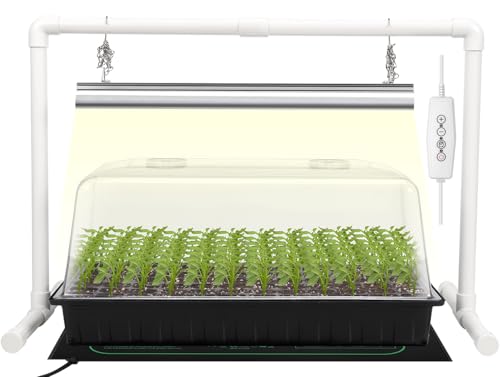
Complete Upgraded Seed Starter Kit: Now includes 6x12 cell tray for organized seed planting! This all-in-one kit features a 1020 seed tray, 7" humidity dome, seedling heat mat, upgraded grow light with timer, and sturdy light stand—everything needed for successful germination

Pro Grow Lights with Advanced Chips: Equipped with 56 high-efficiency beads per tray, these LED strips simulate natural sunlight for optimal seedling growth. Adjustable brightness and timer functions let you customize lighting for every plant stage, promoting faster, healthier growth—perfect for herbs, flowers, and more

Smart Control Sunlight-Simulating Grow Light: Plant starter trays growing kit full-spectrum lights with 8 level adjustable brightness and 0-24h timer functions, the grow lights for seed starting can be controlled individually or together let you customize lighting for every plant stage, promoting faster, healthier growth
Why Certain Sprouts Need Darkness
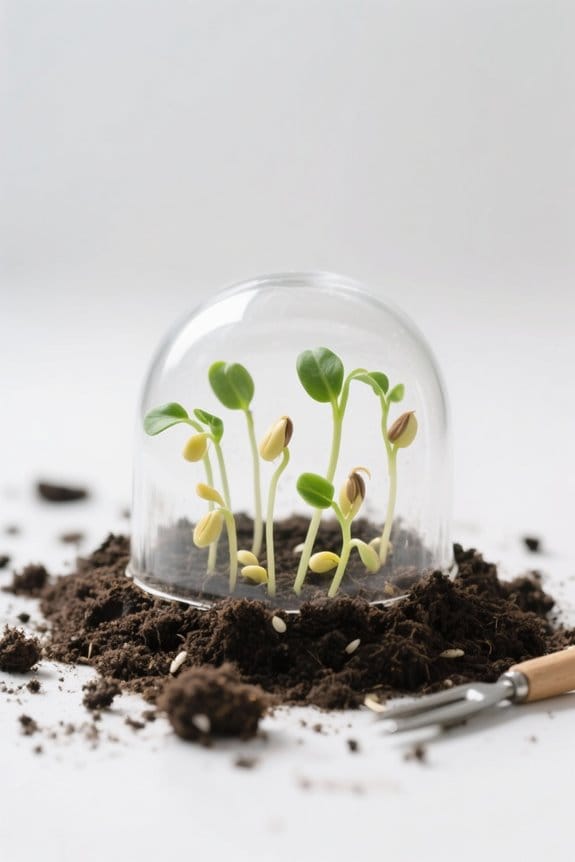
Why do certain sprouts thrive in darkness during their initial growth stages? Darkness aids specific seeds, like bean sprouts, in germinating more quickly and uniformly. In these conditions, the sprouts focus on developing roots and shoots without producing chlorophyll. This mimics their natural underground habitat, promoting tender textures and sweeter flavors while reducing bitter compounds. Typically, sprouting in darkness lasts for 1-2 days, after which light is gradually introduced to encourage chlorophyll production. Crops such as pea shoots also benefit from this initial darkness before requiring light for further growth. Additionally, maintaining adequate moisture through regular rinses is essential, ensuring healthy germination and development throughout the dark sprouting phase. Durable construction materials, such as those found in pop-up sprinkler heads, can help maintain consistent moisture levels in gardening environments, supporting both sprouting and plant growth.
Recommended Products

Plugs Sizes are an space saving 1 in. X 1.25 in

Thermoformed trays are specifically designed to ensure consistent performance in automated filling and handling equipment. These trays are carefully crafted to meet your demands

CLEAR DOMES FOR OPTIMAL PROPAGATION: Tailored for seed, clone, and cutting propagation, our thin-wall dome offer a perfect balance of lightweight ease and enduring durability. Transparent for easy monitoring, these humidity domes for plants create an ideal environment for healthy germination and robust cloning. Suitable for both novice and experienced gardeners, humidity dome provides optimal conditions for seedling.
Examples of Sprouts That Benefit From Darkness
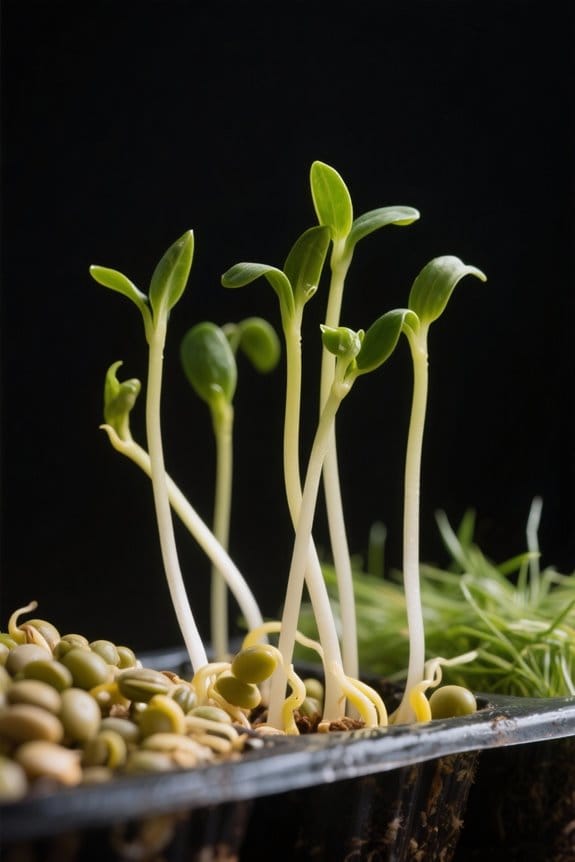
Certain sprouts benefit greatly from initial darkness, which influences their growth and flavor. For instance, bean sprouts, such as mung beans, soybeans, and adzuki beans, thrive in dark conditions, producing a sweeter and crunchier texture. Pea shoots also flourish before requiring exposure to light for chlorophyll development, enhancing their overall flavor and tenderness. Similarly, wheatgrass benefits from a brief darkness period, lasting 1-2 days, allowing tiny seeds to establish strong roots. This method is essential for various vegetable seeds, as dark-grown sprouts are preferred for their milder taste. Such sprouts can enhance culinary applications, particularly in Asian cuisine, where specific flavors and textures are imperative. Therefore, understanding each seed type’s requirements is critical for successful sprout cultivation. Organic seeds generally maintain higher germination rates around 95%, making them a reliable choice for sprout cultivation.
Recommended Products
![Palouse Brand Certified Glyphosate Residue Free Wheat Berries | 100 LBS | Hard White, Soft White, Hard Red Winter, Hard Red Spring Wheat Berries [25 lbs each]](https://m.media-amazon.com/images/I/51b8ex6+ZrL._SL500_.jpg)
CERTIFIED GLYPHOSATE RESIDUE FREE by the detox project.

CERTIFIED GLYPHOSATE RESIDUE FREE by the detox project.

Premium quality natural Green Mung Beans 55lb/bulk, great value.
The Dark-Sprouting Method: Step by Step
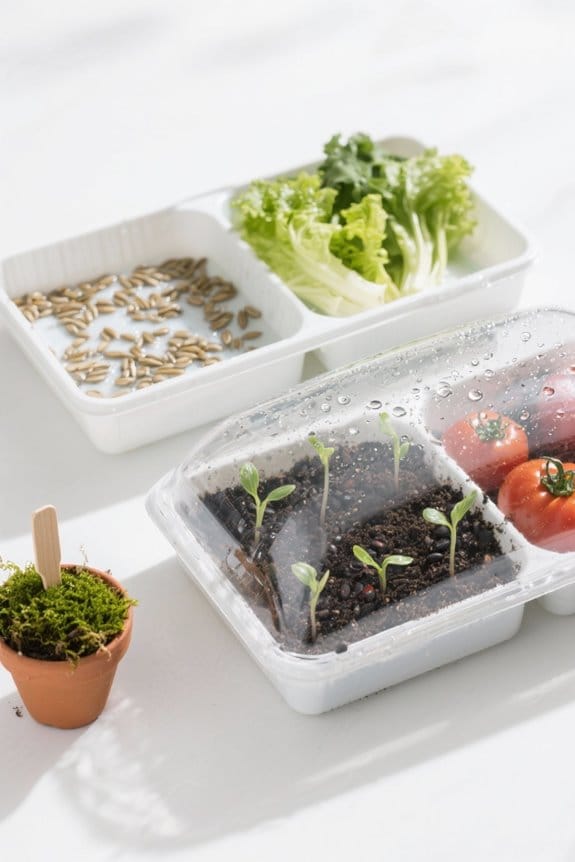
Following the understanding of how darkness benefits certain sprouts, the dark-sprouting method provides a structured approach to cultivating these seeds effectively. The process begins with soaking the seeds in water for 6 to 12 hours, ensuring they are well-hydrated. After soaking, draining and rinsing the seeds removes debris and excess starch, optimizing their moisture levels. To create a dark environment, the seeds should be covered or shaded for the first 1 to 2 days, allowing for proper root and shoot development. It is important to maintain moisture by rinsing the seeds two to three times daily while ensuring good drainage to avoid oversaturation. After 2 to 3 days, light can be gradually introduced, promoting chlorophyll production for robust plant species growth. Winter Rye thrives in USDA zones 3-9, making it a versatile choice for various climates.
Recommended Products

Unlock the full potential of your plants with the AutoPot AirDome, a revolutionary in-planter aeration system designed to significantly boost the growth of your plants' root zones. Perfect for existing AutoPot users and plant enthusiasts with access to power, this system promises to elevate your crop yields with minimal effort.

120 Pod Bulk Harvesting: Growell vertical hydroponics growing system kit allows you to grow up to 120 plants at once, letting you cultivate vegetables, fruits, herbs, and flowers with ease while enjoying bountiful harvests. Compared to traditional soil gardening, it significantly reduces time, space, and water usage, speeding up growth cycles for efficient yields.

Use this indoor garden to grow up to 9 different herbs, veggies, or flower varieties at once
Culinary Tips for Dark-Grown Sprouts
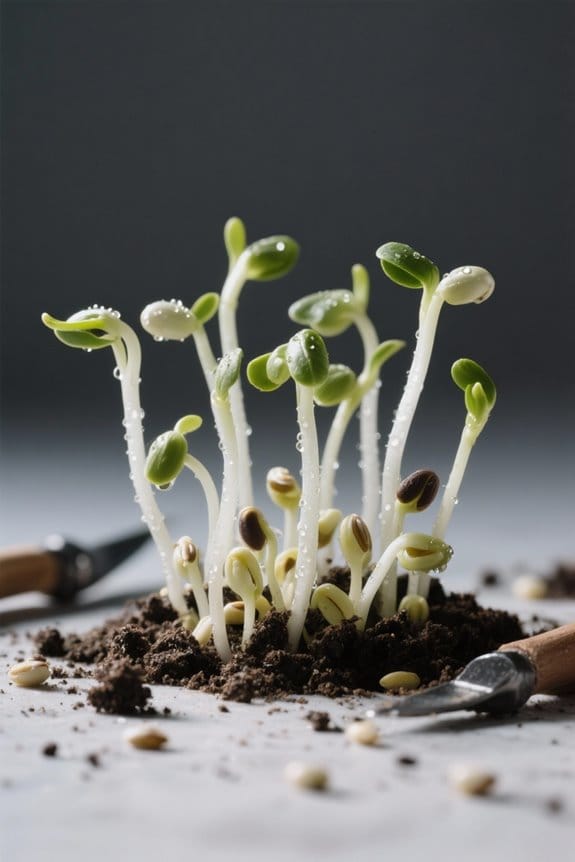
How can dark-grown sprouts enhance culinary creations? Dark-grown sprouts, such as mung bean and adzuki bean varieties, offer unique attributes due to their limited light exposure. As these seeds actually grow in darkness, they develop a tender texture and a milder flavor profile, reducing bitterness from chlorophyll production. Using these sprouts in stir-fries or salads elevates culinary presentations, contrasting beautifully with darker ingredients. The crunchiness and sweetness of dark-grown sprouts accentuate various dishes. Additionally, chefs may experiment with the duration of darkness, adjusting the amount of light during sprouting to achieve specific taste and texture results. Combining dark-grown and light-exposed sprouts can further enhance flavor complexity, providing an interesting dimension to food. By incorporating Oriental lily bulbs, renowned for their fragrance and aesthetic appeal, gardeners can create vibrant landscapes that complement culinary gardens.
Common Pitfalls to Avoid
Like culinary creations that benefit from the thoughtful integration of ingredients, successful gardening requires careful attention to specific seed requirements. A common pitfall gardeners encounter is assuming all seeds have the same light needs. While some plants need light, such as lettuce and celery, many seeds don’t need light; for instance, beans thrive in darkness. A helpful rule of thumb is to sow small seeds on the soil surface or just slightly below. Some annual flower seeds thrive in full sun and attract pollinators, enhancing both aesthetics and biodiversity in the garden. After germination, maintain appropriate light levels; otherwise, seedlings may become leggy, stretching and compromising their health. Finally, make sure to reference seed packets or gardening guides to avoid low germination rates. This final step can be essential for achieving a thriving garden.
Recommended Products

FEEDS UP TO 6 MONTHS: Miracle-Gro Potting Mix is a gardening soil for outdoor containers that feeds all types of potted plants, including flowers, vegetables, shrubs, annuals, and perennials for up to 6 months

Non-GMO Bulk Northeast Wildflower Seed Mix 25 Species of Wildflower Seeds

100% Pure, Non-GMO Seeds - No fillers, favorites only! Includes 25 easy-to-grow species: Cornflower Dwarf Blue, Shasta Daisy, Dames Rocket, Catchfly, Sweet William, Candytuft, Cornflower Tall Blue, Lance Leaf Coreopsis, Mixed Red Shirley, Wild Cosmos, Blanket Flower, Black Eyed Susan, Wild Perennial Lupine, Purple Coneflower, Russel Lupine, Plains Coreopsis, Siberian Wallflower, Blue Flax, Scarlet Flax, Annual Red Phlox, Cosmos Bright Lights, Gloriosa Daisy
Frequently Asked Questions
Do Seeds Germinate Better in Light or Dark?
Seeds germinate better under specific conditions depending on their types. Light-sensitive seeds thrive in light, while those with dark requirements perform well in absence of light. Environmental factors like soil moisture also play a vital role in germination efficiency.
Why Do Some Seeds Require Light to Germinate?
Some seeds require light to germinate due to light sensitivity, which involves seed anatomy and photoreceptors function. Environmental factors trigger germination, leading to species variations in response to light exposure necessary for successful growth.
How Does Light Intensity Affect Seed Germination?
Light intensity greatly influences seed germination rates and development. Ideal light exposure enhances photosensitivity reactions in photoblastic seeds, while excessive light can hinder others, demonstrating the importance of various environmental factors in plant physiology during germination.
Can Seeds Germinate in a Dark Room?
Seeds can germinate in a dark room depending on their specific germination conditions. Light exposure influences seed varieties differently, with dark adaptation aiding certain seeds while others rely on light as a critical growth factor influenced by environmental conditions.