As an Amazon Associate, we earn from qualifying purchases. Some links on this site are affiliate links at no extra cost to you. Our recommendations are based on thorough research and editorial judgment.

Creating a Pollinator-Friendly Garden Using Native Seeds

Creating a pollinator-friendly garden using native seeds requires careful planning and execution. First, select a location with at least six hours of sunlight daily and access to water sources. Assess soil quality, ensuring it meets the needs of native plants. Choose native seeds, such as milkweed and black-eyed Susans, for their resilience and attractiveness to pollinators. Implementing proper planting techniques and regular maintenance practices will enhance growth. Further steps can provide additional insights into optimizing your pollinator garden.
Key Takeaways
- Select a variety of native seeds, such as milkweed and coneflowers, to attract diverse pollinators throughout the growing season.
- Ensure your garden receives adequate sunlight and has access to water sources for optimal pollinator health.
- Test and amend soil for proper pH and drainage, ensuring conditions meet the needs of selected native plants.
- Regularly maintain the garden by weeding, deep watering during dry spells, and deadheading to encourage continued blooming.
- Avoid harmful chemical pesticides to protect the pollinators that your garden aims to support and sustain.
The Importance of Native Plants in Pollinator Gardens
While creating a pollinator garden, selecting native plants is essential for attracting and supporting local pollinators. Native plants have co-evolved with local ecosystems, offering specific nectar and pollen that myriad pollinator-friendly plants like bees, butterflies, and hummingbirds require. Incorporating a variety of these native plants can greatly enhance biodiversity, enabling diverse pollinator populations to thrive. Native seeds tend to need less maintenance, fertilizers, and pesticides compared to non-native species, promoting a healthier environment. Additionally, many native plants feature extended blooming periods, ensuring that pollinators have consistent food sources from spring through fall. This approach also aids in restoring habitats affected by urban development, thereby contributing positively to the overall health of local ecosystems. Many wildflower seed mixes are designed to attract essential pollinators, supporting both biodiversity and local ecosystems.
Selecting the Right Location for Your Garden

Selecting an ideal location for a pollinator garden considerably influences its success and sustainability. A suitable spot should receive at least six to eight hours of sunlight daily, as flowering plants thrive in such conditions. It is essential to assess the accessibility of water sources nearby, supporting overall pollinator health and garden maintenance. Moreover, choosing an area with some wind protection helps create a comfortable environment for delicate pollinators. Homeowners should evaluate existing lawns and consider removing grass to optimize space for native plants. Additionally, soil quality plays a critical role, necessitating an analysis to guarantee it meets the requirements for native species. Planting Oriental lily bulbs can enhance the visual appeal and fragrance of the garden, attracting more pollinators due to their vibrant blooms and sweet scent. Overall, careful planning leads to a more inviting habitat for both pollinators and visitors.
Recommended Products

100% Pure, Non-GMO Seeds - No fillers, favorites only! Includes 27 easy-to-grow species: Cornflower Tall Blue, Siberian Wallflower, Chinese Houses, Coreopsis Lance Leaf, Sweet William, Foxglove, Purple Coneflower, Annual Dames Rocket, Rose Mallow, Toadflax/Spurred Snapdragon, Scarlet Flax, Lemon Mint, Alpine Forget Me Not, Five Spot, Baby Blue Eyes, Evening Primrose, Annual Phlox Red, Catchfly, Shirley Mixed
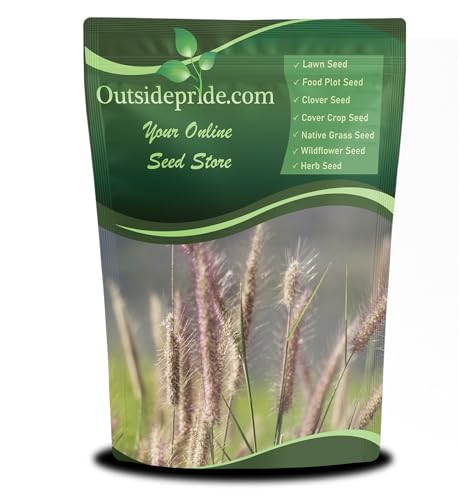
PREMIUM BLEND NORTHEAST NATIVE GRASSES: Our blend of warm and cool-season grasses includes 34% Virginia Wildrye, 30% Canada Wildrye, 17% Indiangrass, 15% Little Bluestem, and 4% Switchgrass, growing up 24 to 48 inches tall. Ideal for natural grasslands, chicken pasture seed mixes, and alternative lawns in USDA Zones 3-7.

PREMIUM NATIVE GRASS SEED MIX FOR LANDSCAPING: Our tall native grass seed blend combines Big Bluestem, Little Bluestem grass seed, Switchgrass, and Indian Grass seeds, each at 25%. This rich blend of native grass seeds is perfect for creating a natural prairie landscape that thrives with low inputs, capturing the timeless beauty of North American grasslands.
Understanding Soil Types and Sunlight Requirements
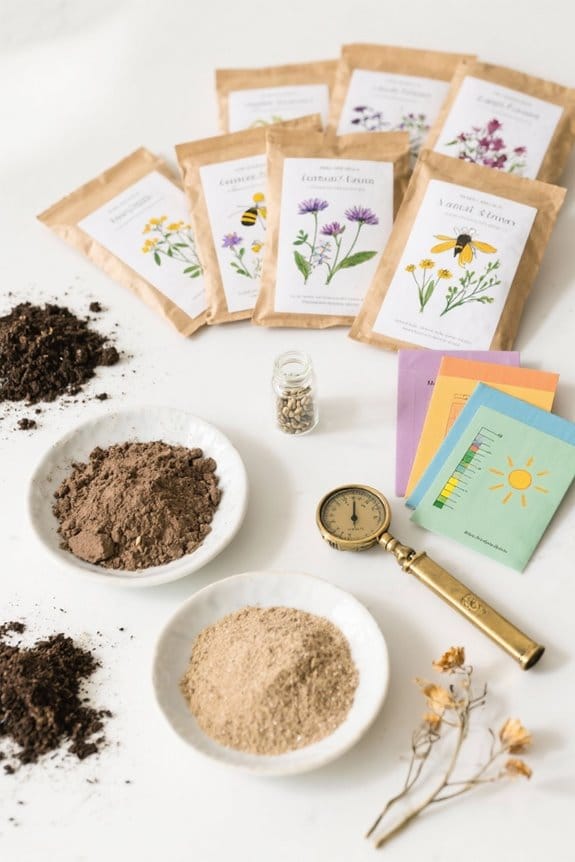
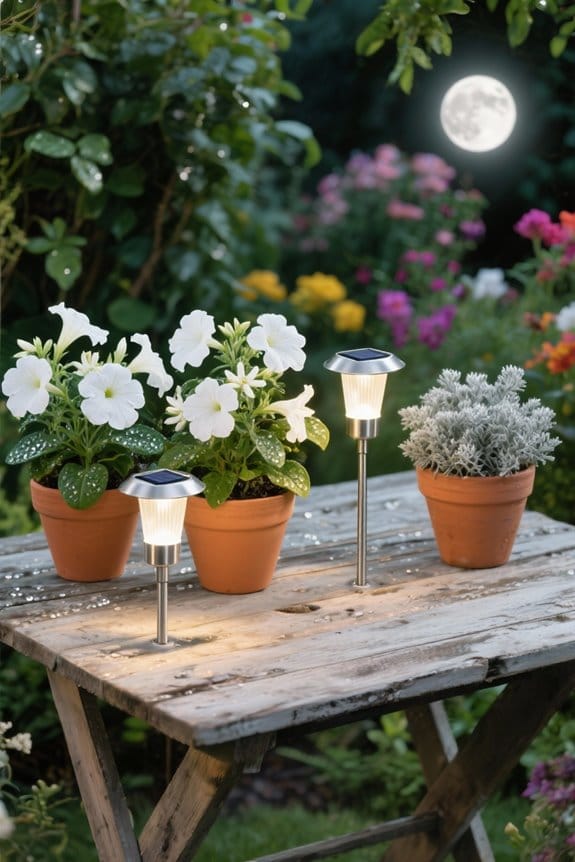
Understanding soil types and sunlight requirements is essential for establishing a successful pollinator garden. Evaluating soil texture helps in selecting suitable native plants; sandy soils promote drainage, while clay-like soils retain moisture. Testing soil pH and drainage can guarantee native plants thrive, enhancing soil quality important for growth. Additionally, observing sunlight exposure throughout the day is critical, as most native plants require at least six hours of direct sunlight. This observation informs the placement of specific plant species, making sure that each occupies an ideal location. By recognizing the light preferences of these plants, gardeners can create effective pollinator gardens that attract beneficial species and maintain healthy ecosystems. Using native seeds suitable for local conditions strengthens garden resilience. Venetian bronze lights, with their durable long-lasting performance, can also contribute to creating an inviting ambiance in garden spaces.
Choosing the Best Native Seeds for Pollinators
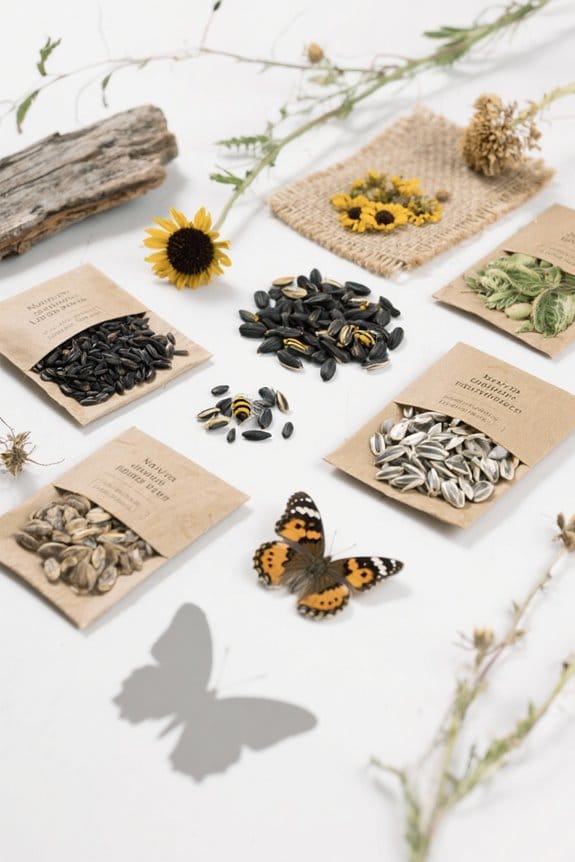
A well-planned pollinator garden begins with carefully choosing native seeds that suit local conditions. Selecting native seeds, like milkweed, coneflowers, and black-eyed Susans, guarantees support for native pollinators. These flowering plants provide essential nectar and pollen across various bloom times, enhancing pollinator gardens year-round. Incorporating both perennials and annuals creates a succession of blooms, vital for sustaining pollinator populations from spring through fall. Native plants often possess deeper root systems, improving drought resistance and soil health, thereby attracting a wider range of pollinators. Sourcing seeds from local native plant nurseries or seed libraries also promotes genetic diversity, aligning with the specific needs of regional pollinators. Long-term investments in these seeds, such as the Monarch Butterfly Rescue mix, contribute to butterfly conservation and sustain local flora and fauna. Together, these choices can greatly make a difference in fostering a thriving ecosystem.
Recommended Products

Native Perennial Wildflower Mix: Grow a curated blend of North American native wildflowers that provide vibrant, season-long blooms year after year.
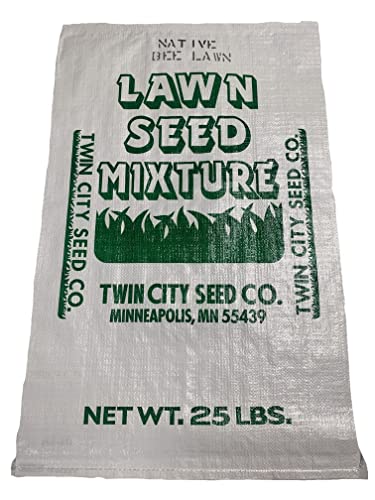
Be Bee Friendly: The Bee Lawn Mix gives residents a chance to help and give pollinating insects (60 + bee species) a food source in their own, aesthetically beautiful, home lawn
PREMIUM SOUTHERN GRASS SEED MIX: Our perennial short native grass seed blend is crafted for southern lawns, featuring resilient grasses that thrive in Midwestern states and other warm climates. Perfect for creating natural, low-growing lawns that stay lush and vibrant in sandy or sunny conditions.
Preparing Your Garden Bed for Planting

Preparing the garden bed for planting native seeds involves several important steps designed to create an ideal environment for growth. First, remove existing grass and weeds using tools like a hula hoe or sod cutter, clearing the area effectively. Next, level the garden bed by redistributing topsoil from higher spots to lower areas, which guarantees a uniform surface for planting. For a no-dig alternative, consider sheet mulching; layering organic materials can smother weeds and enhance soil health. If needed, install a border around the garden bed to contain materials and enrich the soil. Finally, ascertain the soil is well-drained and nutrient-rich, as these conditions support healthy growth for native plants, facilitating their successful establishment. Consider using leaf mold mulch to improve soil structure and moisture retention, as it enhances the overall soil quality over time.
Recommended Products

ECO FRIENDLY (100% BIODEGRADABLE): Made from cardboard, zero plastics were used in production of Sandbaggy Garden Paper. They're made right here in the USA!

ECO FRIENDLY (100% BIODEGRADABLE): Made from cardboard, zero plastics were used in production of Sandbaggy Garden Paper.

Purchase Patriot's RED & WHITE STRIPED Electric Cord now and EXTEND YOUR CHIPPER’S WARRANTY 1 YEAR.
Planting Techniques for Success
Effective planting techniques are essential for establishing a thriving pollinator-friendly garden using native seeds. For ideal germination, gardeners should plant seeds native to their area in the fall, as many require cold moist stratification. When spring planting, a soil-less seed starting mix can improve drainage; alternatively, combine potting soil with perlite for enhanced aeration. It is important to consult seed packets for specific depth guidelines—larger seeds like milkweed should be buried 1/4 inch deep, while tiny seeds such as mints can be surface sown. Utilizing direct sowing methods encourages a natural layout, promoting biodiversity. Clear labeling of planted seeds is beneficial, and a white plate can assist in handling small seeds to minimize loss during planting. Incorporating pollinator-friendly mixes can support local biodiversity and contribute to conservation efforts, enhancing the health of your garden ecosystem.
Recommended Products
You'll LOVE our Cardamom Ground by Rani Brand--Here's Why:

Non-GMO Bulk Perennial Lupine Flower Seed Mix

BULK 5 POUNDS (5x ONE POUND BAGS): Embark on a wildflower journey with our generous five pounds of seed, bursting with over 80,000 pure live seeds! Transform 4,000 square feet into a vibrant haven for nature.
Maintaining Your Pollinator Garden for Long-Term Health
While maintaining a pollinator garden, it is essential to implement regular care practices that guarantee the long-term health of native plants. Regular weeding, performed every couple of weeks, minimizes competition for resources, allowing native plants to flourish. Monitoring soil moisture is also vital; watering deeply during dry spells encourages robust root systems. Deadheading spent flowers weekly prolongs the blooming period, providing continuous food sources for pollinators. An annual assessment in late fall should be conducted to evaluate plant health and determine if any plants require dividing or relocating. It is important to avoid chemical pesticides and herbicides, as these can harm beneficial pollinators and disrupt the garden’s ecological balance, ensuring a thriving habitat for pollinators. Incorporating efficient irrigation methods, such as using gear-driven sprinklers with low precipitation rates, can help conserve water while effectively supporting the moisture needs of your garden.
Recommended Products

Robust Construction: Features a 1-inch heavy gauge steel pipe and a 1.5-inch steel axle, with a total weight of 25 pounds for added stability.

150 FT. DIAMETER COVERAGE - 17,000 SQ. FT.: The 1-1/4 in. die-cast aluminum head with brass union and 5 nozzles covers up to 150 ft. in diameter (17,000 sq. ft.) - the largest single-sprinkler coverage area in the Strongway wheeled lineup.

Six Spray Patterns - Whisper-Quiet, Long-Life Operation
Frequently Asked Questions
How Do I Attract Specific Types of Pollinators to My Garden?
To attract specific pollinators, one should plant bee-friendly plants and butterfly-attracting flowers, install hummingbird feeders, create moth-friendly night bloomers, establish beetle habitats, provide ladybug shelters, and guarantee pollinator-friendly water sources are available.
Can I Use Organic Fertilizers in My Pollinator Garden?
Yes, she could use organic fertilizers, as they enhance soil health and promote nutrient cycling. Compost benefits include improved soil structure, while timing tips and application methods can optimize ecological impact for her garden’s pollinator needs.
Are There Any Plants to Avoid in a Pollinator Garden?
Invasive plant species and non-native blooms can disrupt local ecosystems, with 42% of native pollinators at risk. Toxic plants and drought-resistant varieties require careful selection, prioritizing seasonal flowering and low-maintenance pest control options for ideal health.
How Can I Support Pollinators Outside of My Garden?
Supporting pollinators outside a garden involves planting wildflowers, creating habitat, reducing pesticides, and establishing water sources. Engaging in community outreach and local advocacy, along with educational programs, further enhances their survival and well-being.
What Are the Benefits of a Pollinator-Friendly Garden for Humans?
A pollinator-friendly garden enhances food security by supporting biodiversity; studies show such gardens can increase local pollinator populations by 50%. This fosters community engagement, provides educational opportunities, promotes health benefits, and offers economic advantages through sustainable practices.