As an Amazon Associate, we earn from qualifying purchases. Some links on this site are affiliate links at no extra cost to you. Our recommendations are based on thorough research and editorial judgment.

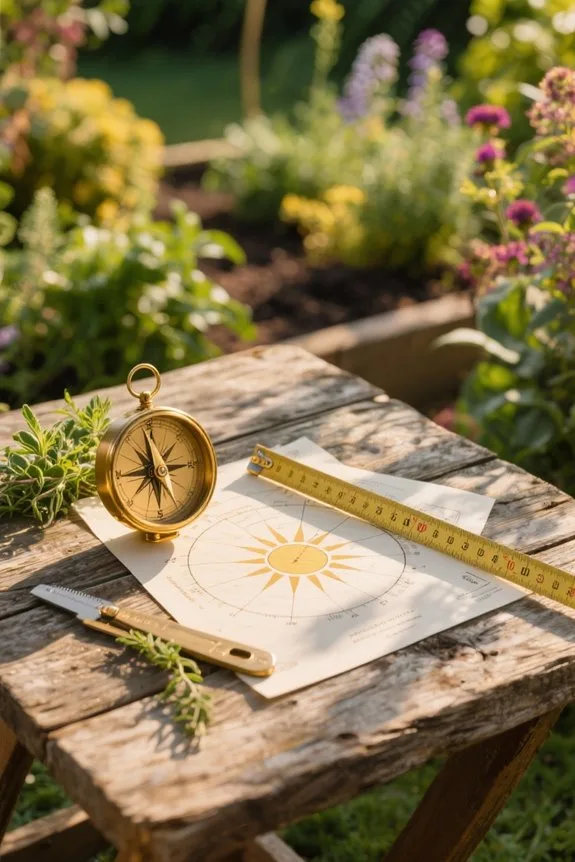
How to Map Sun Patterns in Your Yard Before Planting

To map sun patterns in your yard, start by sketching a layout of the area, marking trees, buildings, and fences that create shade. Observe sunlight at 8 a.m., 12 p.m., and 4 p.m. on sunny days, noting exposure in hours. Use a color-coding system to label areas as full sun, partial shade, or deep shade. Document findings with photos for comparison. This structured approach helps optimize plant placement and garden productivity, leading to effective decisions for your planting strategy.
Key Takeaways
- Sketch your yard layout, marking features like trees and fences that may cast shade on plants.
- Photograph your yard at 8 a.m., 12 p.m., and 4 p.m. to capture sunlight changes throughout the day.
- Use a color-coded system to label areas based on sunlight exposure: full sun, partial shade, and deep shade.
- Track the hours each area receives sunlight, identifying spots suitable for different plant types based on their light needs.
- Utilize mobile apps like Sun Seeker or online tools like SunCalc to assist in visualizing sun paths throughout the seasons.
Importance of Sun Mapping
Sun mapping is a critical practice for gardeners aiming to optimize plant growth and garden productivity. This technique allows gardeners to assess sun exposure and understand light patterns across different areas of their yard. By identifying locations that receive six hours or more of direct sunlight, gardeners can effectively plan the placement of full sun plants. Furthermore, sun mapping highlights areas with insufficient light, where shade-tolerant plants may thrive. Consistent observation throughout the seasons helps adapt planting strategies to changing light conditions. Utilizing these insights supports permaculture design principles, allowing for sustainable energy harnessing in the garden and improved yields. Overall, effective sun mapping contributes to reduced competition for light, enhancing garden health and productivity. Incorporating drip irrigation systems into your garden can further optimize water efficiency, delivering water directly to plant root zones, thereby reducing evaporation and runoff while promoting better plant health.
Ideal Time for Sun Mapping

To identify the utmost times for sun mapping, gardeners should begin their observations during the winter months, when trees are bare and visibility of shadow patterns is enhanced. This period allows for clearer visualization of sunlight patterns, which can considerably impact garden layout decisions. Observing in April is also beneficial, as longer daylight hours and minimal foliage reveal light access for planting. Consistent tracking of sunlight availability throughout the year is essential, as seasonal changes affect plant growth. Optimal measurements should occur on sunny days, documenting light exposure at 8 a.m., 12 p.m., and 4 p.m. These precise observations provide a thorough understanding of sun mapping, enabling informed choices for best garden development. Centipede grass, which thrives in poor soils, is a great option for gardeners in warm climates considering lawn planting.
Steps to Map Sunlight
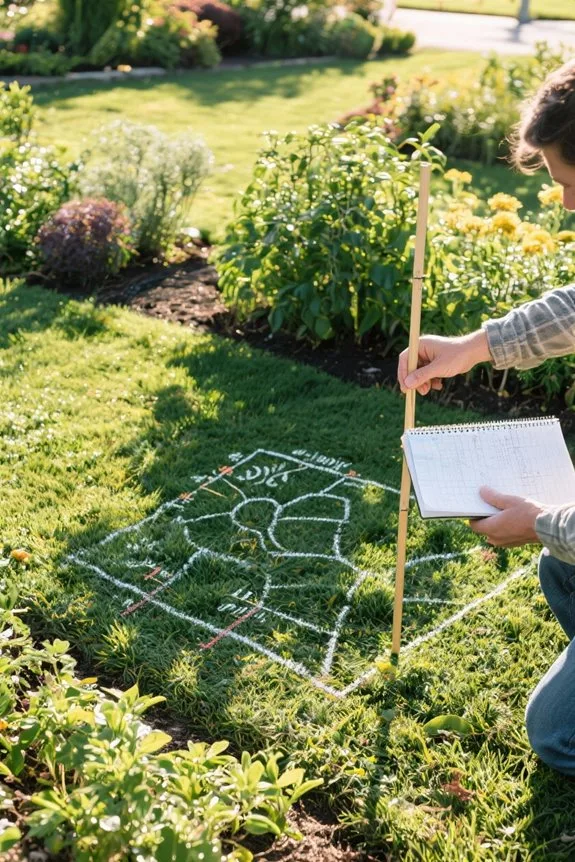
How does one effectively map sunlight for gardening purposes? Begin by sketching a detailed layout of the yard, marking buildings, trees, and fences that may cast shade on potential planting areas. Choose a clear, sunny day for mapping and photograph the yard from the same angle at three key times: 8 a.m., 12 p.m., and 4 p.m. This will help capture changing sunlight exposure. Use a color-coding system on your sketch to distinguish between full sun, partial sun, morning shade, and full shade. Record the hours each area receives sunlight, noting that full sun plants need 6 or more hours, while shade-tolerant plants thrive with less than 2 hours. Analyze the results to identify ideal planting locations. Consider using adaptive garden tools to make the process of marking and mapping more comfortable and efficient, especially if you have any physical limitations.
Using Cardinal Directions to Determine Sun Exposure

Effective sun exposure mapping requires understanding cardinal directions, which play a crucial role in garden planning and plant selection. South-facing gardens receive the most sunlight all day, making them ideal for sun-loving plants, including vegetables and flowering annuals. In contrast, north-facing gardens often experience minimal sun exposure, creating shaded conditions suitable for shade-tolerant varieties like ferns and some salad greens. East-facing gardens benefit from gentle morning sunlight, which is ideal for sensitive plants that cannot withstand harsh afternoon conditions. West-facing gardens uniquely enjoy intense afternoon sun, making them suitable for heat-loving crops like squash and melons. Understanding these cardinal directions helps gardeners effectively analyze shade patterns and choose appropriate plants for each area. Additionally, incorporating portable irrigation systems can enhance water efficiency and ensure that plants receive adequate hydration suited to their sun exposure level.
Assessing the Impact of Trees on Sun Exposure
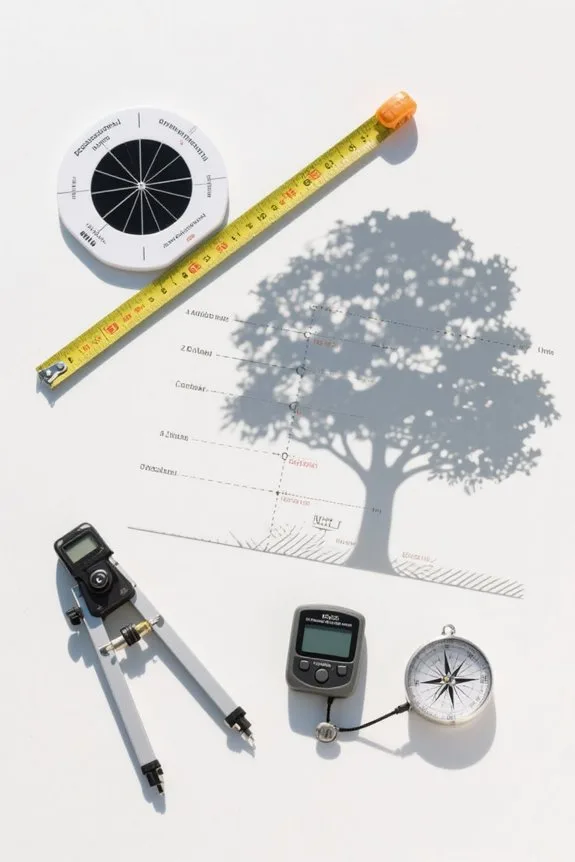
Trees play a significant role in determining sun exposure within a garden, particularly as their size and foliage density can drastically influence light availability. For instance, tall broadleaf trees can block sunlight more effectively than conifers, which allow some light to pass through. Gardens facing south are particularly vulnerable to afternoon shade, while trees on the east may obstruct morning sunlight. To assess the impact, it is crucial to map tree locations relative to your garden. Regularly monitor light exposure patterns, especially after seasonal leaf drop or tree growth, as these changes affect the sunlight available for plants. Understanding these dynamics guarantees proper plant placement and care, optimizing growth conditions while addressing specific needs for light and shading. When planning outdoor lighting, consider IP65 waterproof ratings to ensure reliable performance in various weather conditions.
Practical Observation Techniques for Sun Mapping
Observing sun patterns throughout the day can greatly enhance garden planning and plant placement. To map sunlight exposure effectively, observe your yard at specific intervals, such as every hour, from morning until evening. Take photographs from a consistent vantage point to document how shadows and light shift over time. Additionally, sketch your yard layout, marking the locations of buildings, trees, and other shade-casting features that affect sun exposure. Color-code your sketch to indicate areas with full sun, partial shade, and deep shade, making it easier to identify suitable spots for various plants, particularly sun-loving vegetables. Using a compass app might further assist in determining cardinal directions, ensuring accuracy in your sun map creation. Consider how solar-powered functionality can be an eco-friendly addition to your garden setup, with solar lanterns providing ambient lighting without the need for electrical wiring.
Recommended Products

OUTDOOR BLUETOOTH SPEAKER LANTERN: Compatible with any Bluetooth-enabled device to play your favorite tunes at a 50-foot sound range.
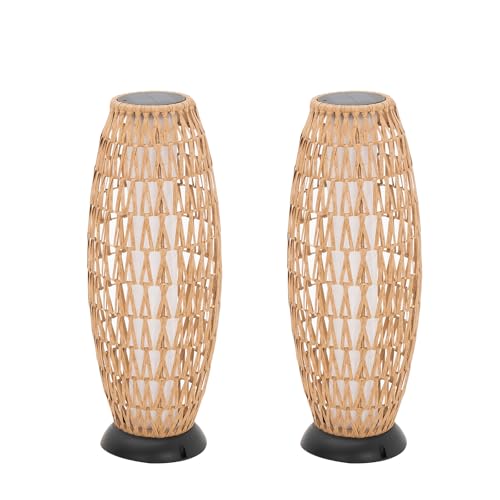
WICKER FLOOR LAMPS: These 2 pack outdoor solar lamps are made of sturdy steel frames and PE rattan, ensuring their long-term use and stability. The waterproof level of the solar lamps reach IP44, helping the lamps withstand all weather and offering them strong protection from splashing water in rainy day without any trouble. These oblong lamps provide a uniform and delicate light that protects your eyes and are ideal floor lamps for night walking. Lamp Dimesion: 11.4"W x 28.3"H.
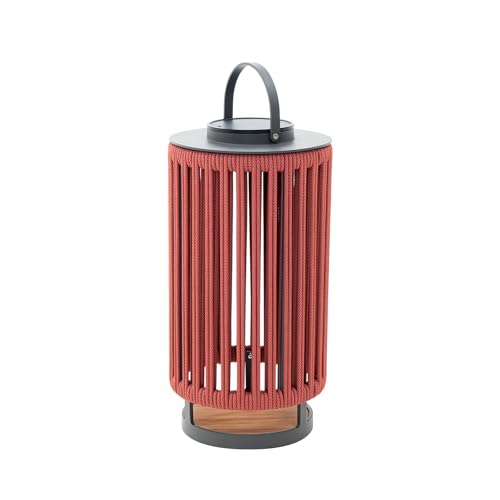
High-grade Aluminum Frame: This outdoor lantern has sturdy powder-coated aluminum frame which is durable enough for years of outdoor use. This aluminum lantern is a portable lantern that you can place it wherever you want, adding illuminated charm to your garden, patio, backyard and other outdoor space. The size of solar lantern is Φ12.6" x 29.4"H, which is a good choice to be used as a decorative lantern or a floor lamp.
Alternative Technology for Sun Mapping
Utilizing modern technology can greatly enhance the accuracy of sun mapping for gardening. For instance, the Sun Seeker app employs GPS and compass technology to track solar angles and predict sun path exposures at specific locations. Online tools like SunCalc and Sollumis allow users to visualize sun paths throughout various seasons, which aids in understanding light conditions. Additionally, FindMyShadow offers a scene-drawing tool for calculating shade casting based on the sun’s position on specific dates and addresses. Mobile apps, priced between $2 to $15, provide features such as sun-tracking and precise solar exposure measurements. Advanced users might opt for software like SketchUp with DeltaCodes Shadow Analysis, enabling detailed modeling of a property’s solar profiles for accurate mapping sun requirements. Additionally, smart technology integration in advanced irrigation systems can further optimize gardening by allowing remote access and control through smartphone apps.
Creating Your Sun Map
Creating a sun map involves systematic observation and documentation of sunlight exposure throughout the day. To make a sun map effectively, one should observe their yard at specific intervals, ideally 8 a.m., 12 p.m., and 4 p.m. on a sunny day. During these observations, photos should be taken from the same location to document light and shadow changes. Next, sketch the layout of the garden, marking existing features such as trees, walls, and fences. In this sketch, identify different areas by labeling them as full sun, morning sun/afternoon shade, or dappled shade. Furthermore, using color-coded shading techniques will illustrate how different areas receive sunlight, ultimately helping in determining the specific light conditions plants need for peak growth. High-efficiency solar panels can ensure optimal energy conversion and are ideal for use in solar lights around gardens, enhancing both functionality and aesthetics.
Plant Recommendations Based on Sun Exposure
After establishing a thorough understanding of sunlight patterns, selecting the right plants based on sun exposure becomes straightforward. For south-facing gardens enjoying more than 10 hours of sunlight on a sunny day, vegetables like tomatoes, peppers, and squash thrive. In contrast, north-facing gardens, which receive limited light, are suitable for shade-tolerant plants such as ferns and astilbe. East-facing gardens benefit from gentle morning light, making them ideal for plants like peonies and roses, which prefer cooler afternoon temperatures. West-facing gardens receive intense afternoon sun, accommodating heat-loving crops like beans and cucumbers. For areas with less than six hours of direct sun, leafy greens like lettuce and spinach perform well in partial sun, requiring about six hours of sunlight for peak growth. Incorporating wildflower seed mixes can also enhance garden diversity and attract essential pollinators, promoting a healthy ecosystem.
Recommended Products

【Galvanized Steel Top & Water Gutter Design】The galvanized steel roof offers exceptional durability and weather resistance. Its anti-rust, anti-corrosion coating significantly extends the gazebo's lifespan. The integrated water gutter system channels rainwater from the roof edge down through the poles to the ground, effectively preventing snow or rain accumulation. With a load capacity of 38 kg/m² (approx. 7.8 lb/ft²), the roof stands strong against harsh conditions.

Heavy Duty & True to Size – WHITEDUCK’s 40x60 ft poly tarp is designed for durability and tear resistance, ensuring true-to-size coverage. It offers full protection against rain, wind, UV rays, and snow, making it ideal for all-weather use.

Bulk Package Value: You will receive 4 bags per order for comprehensive lawn coverage.
Utilizing Your Sun Map for Plant Placement
Mapping sunlight in a garden provides valuable information for effective plant placement. By utilizing a sun map, gardeners can determine areas that receive full sun, defined as 6 or more hours of direct sunlight each day. In these zones, sun-loving vegetables such as tomatoes and peppers should be planted for maximum growth. Areas marked as receiving partial shade, which receive 2 to 6 hours of sunlight, are ideal for leafy greens like spinach and salad mix; these plants thrive in reduced light. For zones with deep shade, characterized by less than 2 hours of sunlight, shade-tolerant plants like ferns and hostas should be used. Grouping plants according to sunlight needs can enhance garden health and growth potential. Additionally, using pressure-compensating emitters in your irrigation system ensures consistent water delivery, which is vital for maintaining optimal hydration levels in your garden.
Options for Growing in Shady Spaces
Finding opportunities for gardening in shaded spaces can offer unique and rewarding options for plant growth. Many leafy greens, such as lettuce and spinach, thrive in shade and perform well with just 4-6 hours of sunlight daily. Certain herbs, including mint and parsley, also flourish in these conditions and can enhance culinary dishes with their flavors. Additionally, plants that tolerate dappled sunlight, like ferns and hostas, provide attractive and resilient greenery, making them ideal for shaded areas. For deep shade, shade-tolerant perennials such as astilbe or bleeding heart are recommended, as they introduce color and texture to gardens. Urban gardeners may also consider vertical gardening techniques, allowing climbing peas and beans to gain more light, increasing yield in limited spaces.
Recommended Products

100% Pure, Non-GMO Seeds - No fillers, favorites only! Includes 18 easy-to-grow species: Yarrow, Cornflower Tall Blue, Siberian Wallflower, Plains Coreopsis, Cosmos, Sulphur Cosmos, African Daisy, Blanket Flower, Indian Blanket, Spurred Snapdragon, Blue Flax, Mexican Hat, Black Eyed Susan, Catchfly

TIGHT WOVEN FABRIC: Our canvas pergola cover is made from loomstate heavy duty 18 oz/ 37 Mil/ 610 gsm numbered duck fabric which is Grade "A" Premium Double Filled or "Plied Yarn" of industrial-grade which creates a tighter weave construction and smoother texture than single fill cotton ducks. The tight dense weave makes the tarp stiffer and more durable for outdoor applications. The waxed-treated tarp makes them Water Repellent.

95% UV Block: Breathable sun shade sails block up to 95% of harmful UV rays, offering unmatched protection for outdoor spaces. Eeasy to clean with water and require zero maintenance
Additional Resources for Sun Mapping and Gardening
To effectively assess sunlight for gardening purposes, individuals can utilize various resources designed to enhance understanding of sun patterns. Mobile apps such as Sun Seeker and FindMyShadow offer GPS-based tracking, allowing users to visualize solar angles in their yards. Online tools, including SunCalc, along with social media gardening groups, provide practical insights for effective sun mapping strategies. Local gardening centers often host workshops on light exposure, invaluable for novice gardeners seeking to improve plant health and garden design. Additionally, documenting sunlight conditions with a digital camera or smartphone at various times of day supports effective pattern analysis. Free online courses on permaculture and sustainable gardening also contribute to a deeper understanding of sunlight’s significant role in gardening success.
Frequently Asked Questions
How to Create a Sun Map of Your Yard?
To create a sun map of a yard, one might employ sun observation techniques alongside shadow analysis methods, factoring in seasonal sun changes, to enhance yard planning strategies and guarantee ideal plant placement for sunlight exposure.
What Is the 70/30 Rule in Gardening?
The 70/30 rule in gardening emphasizes dedicating 70% of space to sun-loving plants while allowing 30% for shade-tolerant species, considering light requirements, plant placement, and seasonal variations to optimize garden health and biodiversity.
What Is the Rule of 3 in Landscaping?
The Rule of 3 in landscaping is a key principle in landscape design, enhancing planting arrangement strategies and supporting color theory. By considering seasonal changes, this approach creates a dynamic, harmonious outdoor space that invites admiration.
What Is the 3-Hour Gardening Rule?
The 3-hour gardening rule is a technique where gardeners monitor sunlight exposure for three hours, aiding in effective plant placement by understanding seasonal changes. This methodology enhances growth by ensuring suitable conditions for diverse plant needs.