As an Amazon Associate, we earn from qualifying purchases. Some links on this site are affiliate links at no extra cost to you. Our recommendations are based on thorough research and editorial judgment.
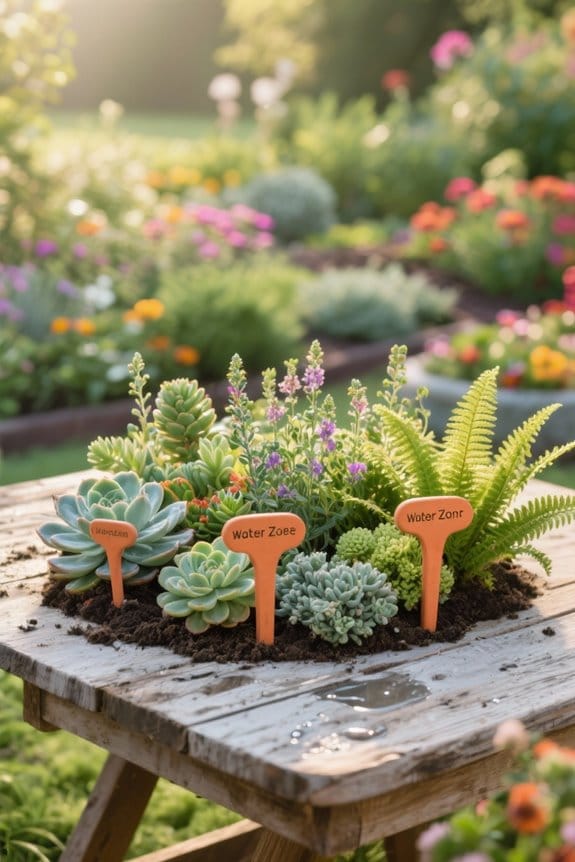
Hydrozoning: Grouping Plants by Water Needs for Efficiency

Hydrozoning is an irrigation strategy that groups plants based on their water needs, which maximizes efficiency and conserves water. By categorizing plants into zones—high, moderate, low, or none—gardeners can streamline watering and promote healthy growth. This practice reduces overall water usage, lowers bills, and simplifies maintenance. It also allows for the use of automatic irrigation systems, ensuring precise control over schedules. Explore how to implement hydrozoning effectively for a sustainable and thriving garden landscape.
Key Takeaways
- Hydrozoning enhances irrigation efficiency by grouping plants based on their water needs, reducing overall water usage and bills.
- It categorizes plants into zones (high, moderate, low) for precise watering, preventing over and underwatering.
- A well-organized map helps identify and categorize plants according to irrigation requirements, facilitating effective garden management.
- Regular assessments allow for seasonal adjustments in irrigation schedules, promoting sustainable plant growth and health.
- Proper grouping encourages biodiversity and resilience, contributing to a healthier garden environment and effective water conservation practices.
What Is Hydrozoning?
Hydrozoning serves as an effective gardening strategy that enhances irrigation efficiency by grouping plants based on their distinct water needs. This practice involves categorizing plants with similar water requirements into designated irrigation zones, which facilitates efficient watering and reduces the risk of overwatering or underwatering. By establishing these zones, gardeners can implement tailored irrigation systems, ensuring that each group receives the appropriate water amount, ultimately promoting healthier plant growth. Additionally, hydrozoning contributes to significant water conservation, minimizing waste and lowering overall water bills. It supports sustainable gardening practices, particularly in drought-prone areas. Overall, understanding and utilizing hydrozoning techniques can greatly enhance gardening efficiency while fostering a thriving landscape in varying conditions. Advanced irrigation systems with smart technology integration can complement hydrozoning by allowing precise control and monitoring of water usage, further enhancing the efficiency of this strategy.
Benefits of Hydrozoning
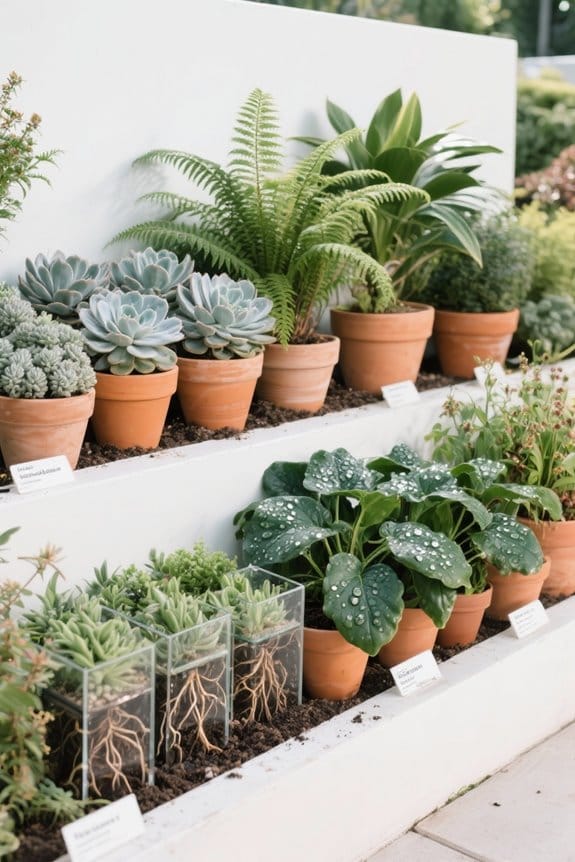
Effective gardening practices can greatly benefit from the strategic organization of plant water needs into zones, which allows for enhanced irrigation efficiency and sustainable resource management. Hydrozoning reduces overall water usage considerably, allowing for tailored irrigation schedules based on similar water requirements. This approach can save thousands of gallons annually, while also lowering water bills by minimizing water waste. By promoting the growth of drought-tolerant plants, hydrozoning encourages sustainable gardening and reduces dependency on excessive water resources, especially essential in arid regions. Additionally, it simplifies maintenance tasks by enabling gardeners to focus irrigation efforts solely on specific zones needing attention, thereby streamlining landscaping care and enhancing the overall vigor of the landscape while preventing issues related to overwatering or underwatering. Furthermore, using automatic plant watering systems can effectively support hydrozoning efforts by allowing precise control over watering schedules and flow rates for different plant zones.
Mapping Out Your Yard

An organized map of the yard greatly enhances the implementation of hydrozoning practices. Creating an accurate representation allows for effective mapping of plant locations and evaluation of their water needs. It is advisable to identify and categorize plants based on their irrigation requirements, helping to group them into hydrozones on the map. Existing landscapes may also reveal compatibility in plant groupings, facilitating this process. Utilizing simple drawings, one can depict different irrigation zones, such as high, moderate, low, and no irrigation, with bubble areas on the map. A well-mapped yard not only streamlines irrigation setup but also supports future adjustments as plant needs evolve, ensuring continued efficiency in managing water resources. By using adjustable emitters, gardeners can customize water flow to meet the specific needs of each hydrozone, further enhancing water efficiency.
Recommended Products
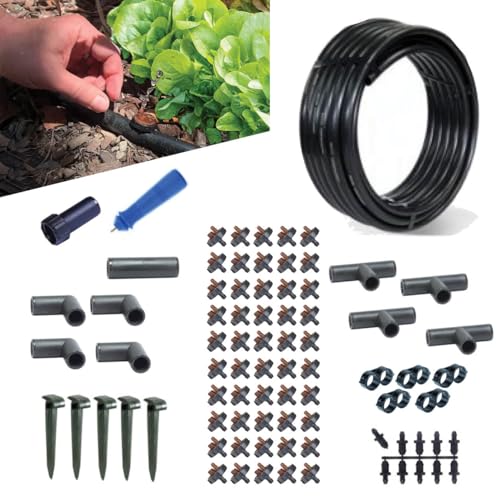


Adjustable Water Control for Every Plant:This drip irrigation system features two different adjustable emitters: Stream Emitter and Vortex Emitter. Rotate the emitter cap to switch from gentle drip to powerful spray. Each nozzle is individually adjustable to ensure every plant receives the water it needs, preventing overwatering or underwatering.
Dividing Your Garden Into Irrigation Zones

Creating distinct irrigation zones within a garden helps in optimizing water usage while catering to the specific needs of various plants. To begin, categorize plants based on their water requirements—high, moderate, low, or none. High irrigation zones, which may include tropical annuals and turf grass, require more frequent watering. In contrast, low-water zones should consist of drought-tolerant perennials that thrive on minimal irrigation. A mapping strategy can be beneficial, positioning high-water-use plants closer to water sources. It is effective to implement separate irrigation systems for each zone, utilizing drip irrigation for high-water needs and relying on natural rainfall for low-water areas. Regular assessments of these zones aid in adjusting watering schedules based on seasonal changes and overall plant health. Consider integrating solar-powered lights to enhance garden aesthetics while being energy-efficient and eco-friendly.
Recommended Products
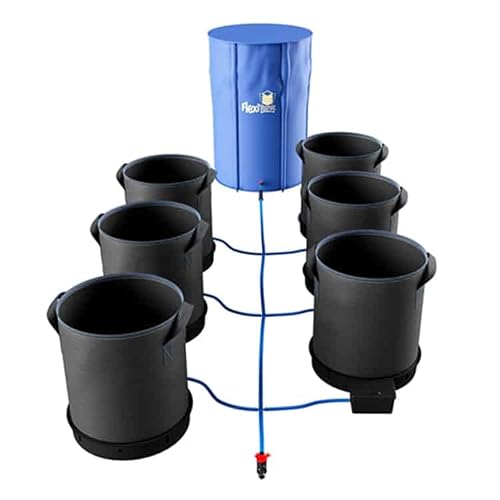
Introducing the revolutionary AutoPot 1Pot XXL module - an ingenious expansion of the ever-popular XL range. With the ability to accommodate 9- and 13-gallon fabric FlexiPots, the XXL offers unparalleled adaptability for growers who require the flexibility to switch between pot sizes.

For planters, plants and trees 1-2 gallons in size (or root ball diameters of about 7 inches to 10 inches) - Soil Moisture Stabilizer - prevents soils from getting too wet (root rot) or too dry (tree suffering). Soil will remain at a healthy, moist level for the plant or sapling to thrive. If the soil seems too dry, look at how the plant is doing or use a moisture meter to measure. Make sure to use potting or garden soil.

24-STATION WIFI SMART SPRINKLER CONTROLLER: Take full control of up to 24 irrigation zones with this WiFi-enabled smart sprinkler controller. Perfect for large homes, estates, and commercial properties, manage your watering system remotely with the Hydrawise app or web portal from anywhere in the world.
Grouping Plants With Similar Water Needs
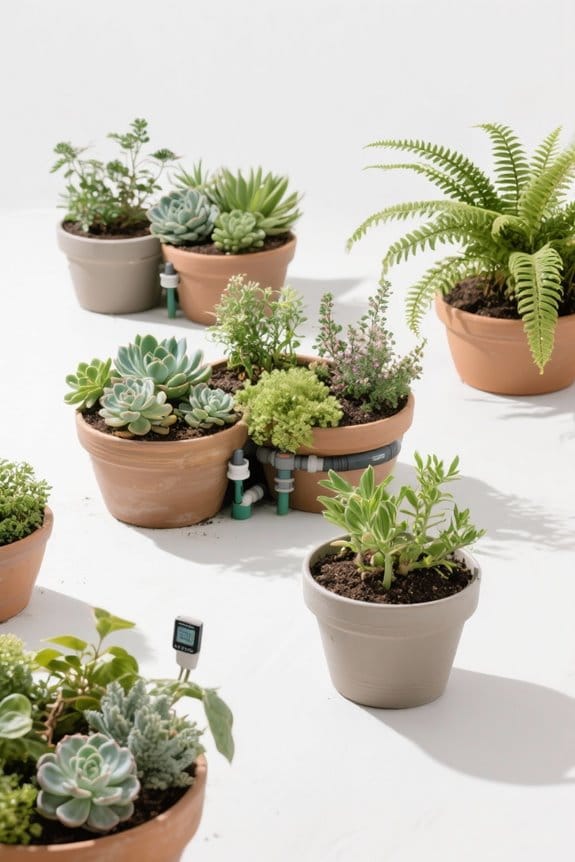
Grouping plants according to their water needs, or hydrozoning, is an essential step in garden planning that promotes efficient irrigation practices. Gardeners can group plants with similar water requirements into designated hydrozones, allowing for targeted watering strategies. For instance, high-water-use plants, such as tropical annuals or certain vegetables, need more frequent watering, while low-water and drought-tolerant plants thrive with minimal irrigation. By categorizing plants into four irrigation zones—high, moderate, low, and no irrigation—gardeners can effectively manage their water use. Incorporating waterwise plants and native species into low-water zones supports sustainable gardening, minimizes drought stress, and reduces overall maintenance time. This method not only improves plant health but also conserves water resources in the long term. Additionally, utilizing energy-efficient LED bulbs in outdoor lighting can further enhance sustainability efforts, as these bulbs consume less power and have a longer lifespan compared to traditional lighting solutions.
Recommended Products

Easy to use, all-in-one drip system installs in as little as 15 minutes

[Smart Water Timer Included – Fully Automatic, Hands-Free Watering]Take the work out of daily watering. The programmable timer allows you to set watering time, frequency, and duration with ease. Rain Delay Mode (1–15 days) pauses irrigation during rainy weather, while Child Lock prevents accidental changes.Note: Batteries are not included

Efficient Watering System: The Vego Garden Irrigation Kit ensures precise and efficient watering, delivering water directly to the roots of your plants, reducing water waste and promoting healthy growth.
Setting Up an Efficient Irrigation System
To guarantee effective plant growth and water conservation, a well-designed irrigation system should reflect the hydrozones established for the garden. Irrigation systems are set to deliver water efficiently based on the specific needs of plants that have similar water requirements. High-water zones benefit from drip hoses, which provide precise watering directly to the roots. In contrast, moderate zones can utilize a combination of drip lines and soaker hoses to balance moisture levels. Meanwhile, low-water zones may require minimal irrigation, relying primarily on rainwater and occasional hose watering. Installing separate valves for each hydrozone allows gardeners to customize watering schedules, improving overall water management and ensuring that each plant receives the appropriate amount of hydration to thrive. For optimal water delivery efficiency, consider using pressure-compensating emitters to maintain a consistent flow rate across varying garden conditions.
Recommended Products

Standard 3/4" Garden Hose Thread Connections

Effortless Yard Irrigation Setup: The Orbit All-in-One Automatic Watering System simplifies yard irrigation with a complete 2-zone automatic sprinkler system designed to deliver consistent watering

DWC Bucket +Top Drip Kit: Upgraded DWC hydroponic planting system adopts an unique top drip irrigation design; It provides a water circulation to keep the nutrient water fresher and easier to be absorbed
Common Mistakes to Avoid When Hydrozoning
While establishing hydrozones can greatly enhance garden efficiency, several common mistakes can undermine the benefits. Mixing high and low water-use plants in the same irrigation area often leads to improper watering, as some receive too much while others suffer from drought. Additionally, failing to take into account existing microclimates can negatively impact plant water needs, resulting in poor placement and wastage. Neglecting seasonal adjustments to irrigation schedules can cause significant discrepancies; for instance, watering during hot months may require increased frequency. Furthermore, placing high-water plants in hard-to-reach spots complicates maintenance. Finally, using incompatible irrigation methods, such as matching drip systems with sprinkler-preferring plants, undermines smart irrigation efforts, affecting overall plant health and soil moisture levels. Implementing sustainable gardening practices can help mitigate these issues by supporting biodiversity and encouraging efficient water use throughout the garden.
Best Plants for Hydrozoning
Selecting the best plants for hydrozoning involves understanding their specific water requirements, which allows for ideal irrigation practices. High-water-use plants, like ferns, hydrangeas, and tropical flowers, typically need frequent irrigation. Moderate-water-use options include certain ornamental shrubs, fruit trees, and perennials, which can endure brief dry periods while benefiting from regular watering. For low-water-use preferences, consider lavender, salvia, and native wildflowers, as they require less irrigation and thrive in xeriscaping environments. Finally, very low-water-use plants, such as succulents and drought-resistant grasses, depend mainly on rainfall. Grouping plants with similar water needs effectively maximizes irrigation efficiency, promotes healthier growth, and minimizes overall maintenance, creating an easy-to-manage garden landscape that conserves water while enhancing aesthetic appeal. For those in southern climates, opting for drought-resistant and deep-rooted plants like Bahia grass can be particularly beneficial due to its exceptional drought resistance and adaptability.
Recommended Products
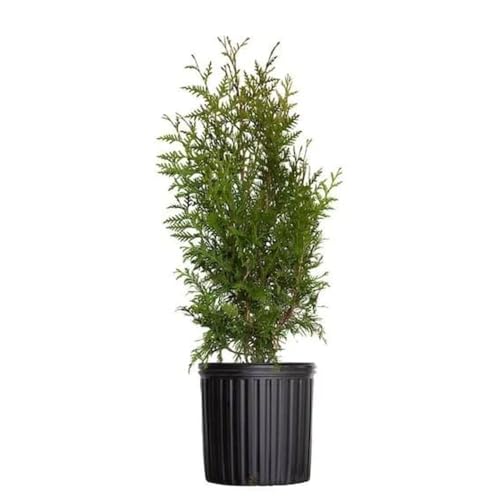
LIVE BLUE ICE ARIZONA CYPRESS TREE: Delivered as a healthy live plant, ready to thrive in your landscape.

Safety & Durability: The height of the artificial grass is about 1.38 inch/35mm. It is safe for child and pets to play on it. Made of 5-tone color, soft and lush materials. More elastic than natural grass, not as easy to wear and tear, providing you with green and lawn enjoyment all year round.
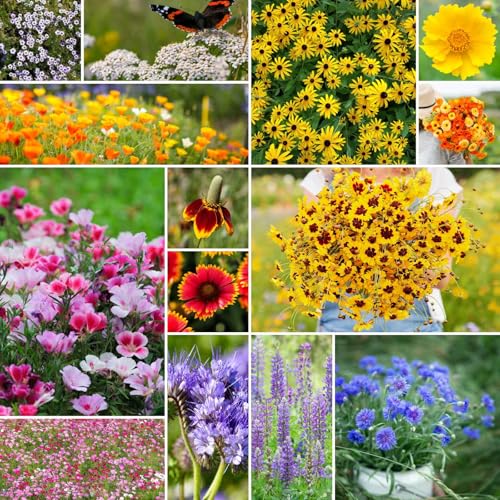
100% Pure, Non-GMO Seeds - No fillers, favorites only! Includes 16 easy-to-grow species: Yarrow, Calendula, Cornflower Tall Blue, Godetia, Lance Leaf Coreopsis, Plains Coreopsis, Cosmos, Indian Blanket, Birds Eyes, Perennial Lupine, Mexican Hat, Black Eyed Susan, Dwarf Sunflower
Frequently Asked Questions
What Is the Most Water-Efficient Irrigation Method?
The most water-efficient irrigation method includes drip irrigation and soaker hoses, complemented by rainfall collection, moisture sensors, and strategic irrigation scheduling. Together, these techniques support effective landscape xeriscaping, greatly reducing water waste and optimizing plant health.
How Much Water Would Your Plant Need to Grow Efficiently?
Efficient plant growth depends on specific water requirements, influenced by root depth and drought tolerance. Regularly evaluating soil moisture and considering seasonal variations guarantees adequate hydration, promoting ideal health and longevity for various plant types.
What Is an Irrigation Hydrozone?
An irrigation hydrozone is a strategically designated area where plants with similar water needs are grouped. Implementing hydrozone benefits enhances irrigation strategies, optimizes soil moisture management, promotes water conservation, and minimizes ecological impact on the landscape.
How Do Plants Regulate Water Use Efficiency?
Plants regulate water use efficiency through adaptations like deep root systems for soil moisture access, transpiration rate control via stomata, and irrigation techniques that enhance drought resistance, optimizing water uptake and minimizing evaporation losses.