As an Amazon Associate, we earn from qualifying purchases. Some links on this site are affiliate links at no extra cost to you. Our recommendations are based on thorough research and editorial judgment.

Xeriscaping Basics: Gardening With Less Water in Dry Climates

Xeriscaping is a landscaping method that conserves water in dry climates by using drought-resistant and native plants. It can reduce outdoor water use by 30% to 50%. Key principles include grouping plants with similar water needs, using organic mulch to retain moisture, and implementing irrigation systems like drip irrigation. Incorporating hardscaping elements can direct rainwater to garden beds, improving plant health. For better results, selecting the right plants is essential. Additional strategies enhance efficiency, leading to sustainable gardens.
Key Takeaways
- Xeriscaping enhances water conservation by utilizing drought-resistant plants suited for dry climates, reducing water usage by 30-50%.
- Select native plants that thrive in local soil conditions to minimize maintenance and ensure healthy growth.
- Incorporate mulch to retain soil moisture, reduce evaporation, and suppress weeds, enhancing garden sustainability.
- Utilize smart irrigation systems, like drip irrigation, to ensure efficient water use by targeting plant root zones.
- Create diverse garden designs with varied textures and colors while grouping plants by water needs for optimal efficiency.
Understanding Xeriscaping and Its Principles
Xeriscaping is an effective landscaping method aimed at conserving water while enhancing the aesthetic appeal of outdoor spaces. By utilizing drought-resistant and native plants, this sustainable approach is particularly beneficial in dry climates. Key principles of xeriscaping include careful plant selection based on water needs, grouping similar plants together to optimize irrigation. Incorporating mulch helps maintain soil moisture and supports soil health by reducing evaporation. This method promotes conservation by minimizing outdoor water consumption by as much as 50%. A well-designed xeriscape can feature diverse textures and colors from ornamental grasses and succulents, providing significant visual appeal. Additionally, xeriscaping requires minimal irrigation, making it a low-maintenance option that supports local wildlife and promotes environmentally friendly practices. Integrating a drip irrigation system can further enhance water efficiency by delivering moisture directly to plant roots, reducing waste and supporting sustainable landscape management.
Recommended Products

Standard 3/4" Garden Hose Thread Connections

High-Quality Material: Professional quality drip hose made by high quality, UV resistant materials, unmatched resistance to chemicals. Be a Gardening Master with the help of our superior and complete Drip Tape Row Irrigation Kit: 2 x 100' Rolls Low-Flow Drip Tape + 1 x 50' Roll 1/2" Mainline Tubing + 1 x Home Garden Filter + 1 x 10 PSI Pressure Regulator + 1 x 1/2" Easy Loc Female Hose Beginning + 1 x 1/2" Easy Loc Coupler + 1 x 1/2" Figure 8 End.

Standard 3/4" Garden Hose Thread Connections
Benefits of Incorporating Xeriscaping in Your Garden

Incorporating xeriscaping into a garden can result in considerable benefits, particularly for homeowners in arid regions. This method can reduce water usage by 30-50%, effectively conserving water and lowering outdoor water bills. Xeriscaping utilizes native plants that thrive in dry climates, greatly reducing maintenance requirements and allowing for greater leisure time in the garden. Moreover, organic mulches help retain moisture and serve as focal points in the landscape, adding visual interest with their varied textures and colors. By minimizing reliance on chemical fertilizers and pesticides, xeriscaping promotes environmental health and supports local wildlife. In addition, homeowners in states like California and Nevada may receive incentives for implementing these water-efficient landscaping solutions, thereby enhancing property value and curb appeal. Implementing a drip irrigation system can further enhance water conservation by delivering water directly to plant roots, reducing evaporation and waste.
Recommended Products

High-Quality Material: Professional quality drip hose made by high quality, UV resistant materials, unmatched resistance to chemicals. Be a Gardening Master with the help of our superior and complete Drip Irrigation Kit: 1 x 50' Roll 1/2" Mainline Tubing + 1 x 50' Roll 1/4" Micro Tubing + 1 x 100' Roll 1/4" Soaker Dripline, 12" Spacing + 20 x 1/4" Transfer Barbs - (2 x 10 packs) + 20 x 1/4" Elbow Fittings - (2 x 10 packs).

Easy to use, all-in-one drip system installs in as little as 15 minutes

[Smart Water Timer Included – Fully Automatic, Hands-Free Watering]Take the work out of daily watering. The programmable timer allows you to set watering time, frequency, and duration with ease. Rain Delay Mode (1–15 days) pauses irrigation during rainy weather, while Child Lock prevents accidental changes.Note: Batteries are not included
Selecting the Best Drought-Tolerant Plants

Selecting drought-tolerant plants requires careful consideration of local climate and soil conditions to guarantee ideal growth while minimizing water usage. Native plants are essential, as they are well-adapted to specific environments and thrive in dry conditions. Popular choices include succulents like sedum and agave, alongside robust herbs such as rosemary and thyme. Grouping plants with similar water requirements optimizes irrigation efficiency, essential for conserving water in a xeriscape garden. Ornamental grasses and flowering perennials can add visual interest while maintaining low-water design principles. Utilizing USDA Hardiness Zones will further guide selections, ensuring that chosen plants meet local climate requirements and perform effectively with minimal water use throughout the growing season. One option for lawns in such gardens is to use Jonathan Green Black Beauty grass seed, known for its deep roots that enhance drought resilience, making it an excellent choice for xeriscaping.
Recommended Products
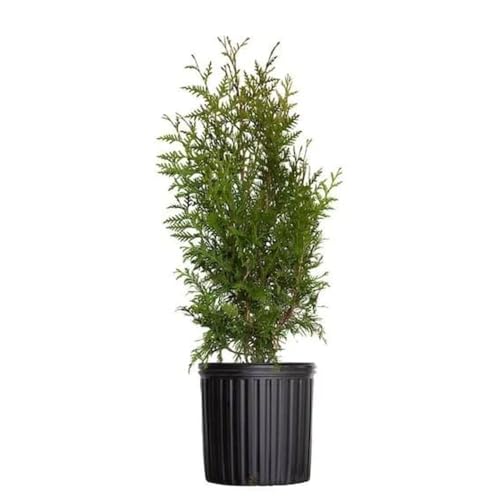
LIVE BLUE ICE ARIZONA CYPRESS TREE: Delivered as a healthy live plant, ready to thrive in your landscape.

Non-GMO Bulk Bulk Cornflower / Bachelor Button Seeds - "Tall Blue" Centaurea cyanus

Uncoated beet seeds produce a fusion of big leaf foliage attractant plus sweet root vegetables.
Smart Design Techniques for Xeriscaping
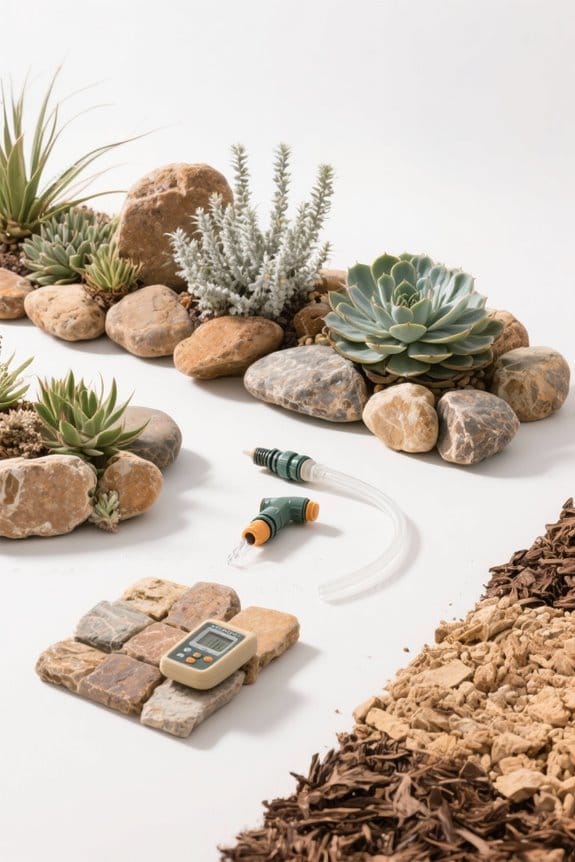
Effective design techniques can greatly enhance the success of a xeriscaped garden. Grouping native plants and drought-tolerant varieties with similar water needs optimizes irrigation efficiency and reduces waste. Utilizing hardscaping elements, like stones and gravel, directs rainwater to garden beds, improving water retention. Incorporating diverse textures and colors through plant selection and rock features enhances visual appeal while creating microclimates. Replacing traditional lawns with drought-tolerant alternatives decreases overall water demands, thereby contributing to sustainable landscapes. Additionally, strategic soil amending and mulching practices improve soil moisture retention and lower evaporation rates, which are vital for maintaining healthy xeriscaped gardens. These techniques align with overall water conservation goals, ensuring an efficient and attractive outdoor environment. A significant aspect of xeriscaping is the integration of drip irrigation systems, which optimize water distribution while minimizing waste through adjustable nozzles and durable materials.
Recommended Products

High-Quality Material: Professional quality drip hose made by high quality, UV resistant materials, unmatched resistance to chemicals. Be a Gardening Master with the help of our superior and complete Drip Irrigation Kit: 1 x 100' Roll 1/2" Mainline Tubing + 1 x 100' Roll 1/4" Micro Tubing + 3 x 100' Rolls Soaker Dripline 12" Spacing + 40 x 1/4" Transfer Barbs - (4 x 10 packs) + 40 x 1/4" Elbow Fittings - (4 x 10 packs).

All inclusive drip starter kit with everything needed to attach to an outside faucet and water up to 100-ft of vegetable rows
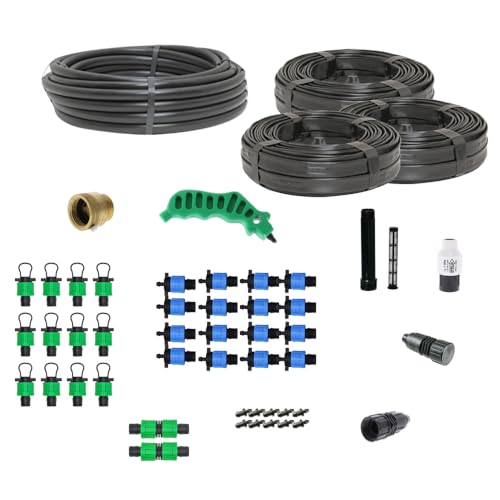
Utilizes 5/8" Drip Tape for Straight Row Gardens
Effective Water Conservation Strategies

To conserve water effectively in a xeriscaped garden, implementing specific strategies can greatly enhance plant health and minimize waste. Water plants only when soil is dry to a depth of 1-2 inches, allowing for deep watering every 2-3 weeks during summer. Automated irrigation systems, such as drip irrigation with timers, deliver water efficiently while ensuring consistent moisture levels. Additionally, applying mulch around plants reduces evaporation and suppresses weeds, further aiding moisture retention. Utilizing well-draining soil and incorporating gravel or rocks improves drainage, preventing water accumulation. Finally, allowing established lawns to enter dormancy during drought and dry spells can conserve resources, as they can recover with natural rainfall without additional irrigation. Such methods advance effective water conservation practices in xeriscaping. An advanced irrigation system with smart technology integration can further optimize water usage by automatically adjusting watering schedules based on weather conditions, enhancing water conservation efforts.
Recommended Products
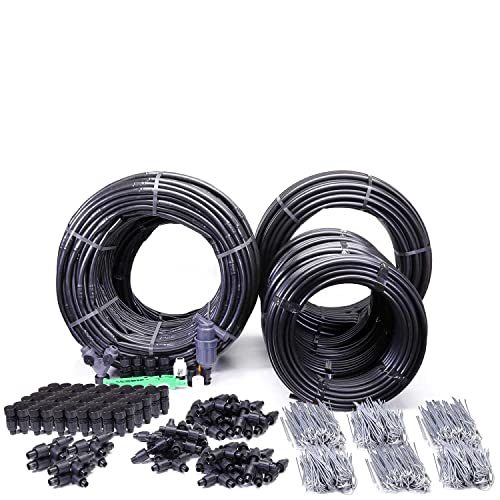

Along with 20 x Drip Tape Row Starts + 20 x Drip Tape End Plug + 3 x Drip Tape Couplers + 10 x 1/4" Goof Plugs (1 x 10 pack) + 1 x Punch Tool + 100 x 1/2" Hold Downs - (1 x 100 pack) + 1 x Galcon Bluetooth Flip Open LCD Timer + 1 x Galcon Alternator Valve + 2 x 10 PSI Pressure Regulator. Ideal for Row Crops and Garden Beds needing low pressure, low volumes of water.
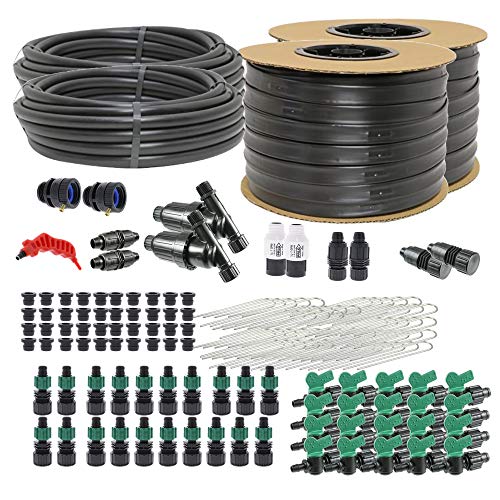
Timer Compatible : Yes; Rain Barrel Compatible : Yes; Expandable : Yes; Average Assembly Time : 60 + min.; Operating Pressure : 10-15 PSI; Maximum Flow Capacity : 480 GPH;
Frequently Asked Questions
How Do I Transition an Existing Garden to Xeriscaping?
To change an existing garden to xeriscaping, one should focus on plant selection of native species, soil preparation, irrigation reduction techniques, and employ mulching for moisture retention, considering aesthetics and seasonal changes in maintenance.
What Common Misconceptions Exist About Xeriscaping?
Common misconceptions about xeriscaping include the belief that it lacks aesthetic appeal, requires minimal maintenance, or only involves native species. In reality, proper landscape design, plant selection, and soil preparation enhance water conservation and pest management throughout seasonal changes.
Are There Costs Associated With Xeriscaping Implementation?
Xeriscaping costs involve initial investment in landscape design, material expenses, and plant selection, but lead to long-term savings through reduced maintenance costs and efficient irrigation techniques. Government rebates may also offset soil amendment expenses.
Can Xeriscaping Be Applied in Humid Climates?
Xeriscaping can be beneficial in humid climates, where 30% of landscaping is often wasted. By focusing on native plant selection, soil amendment techniques, and sustainable landscaping practices, homeowners can enhance water conservation and garden design ideas while considering humid climate factors.
How Often Should I Prune Xeriscaped Plants?
Pruning xeriscaped plants typically occurs during their dormant season. Maintenance schedules depend on plant types and garden size. Employ suitable pruning techniques and tools to promote plant health, enhance growth patterns, and support soil health.