As an Amazon Associate, we earn from qualifying purchases. Some links on this site are affiliate links at no extra cost to you. Our recommendations are based on thorough research and editorial judgment.
Using Greywater in the Garden: Safety and Regulations

Using greywater in the garden can conserve water and support plant growth, but it requires careful adherence to safety guidelines and local regulations. Greywater can be safely utilized from baths and laundry, yet should avoid contact with edible plant parts. Regular system maintenance prevents odors and bacteria buildup. Regulations differ by region; some areas permit substantial greywater use without permits while restricting edible plants. Understanding these guidelines is essential, and further information is available for responsible practices.
Key Takeaways
- Familiarize yourself with local regulations regarding greywater use to ensure compliance and avoid health risks.
- Avoid contact with edible plant portions when using greywater, especially on food-producing crops.
- Regular maintenance of greywater systems is essential to prevent bacterial growth and odors.
- Clearly label greywater pipes for safety, distinguishing them from drinking water lines.
- Consult resources and guidelines for safe greywater practices and enhance your garden’s biodiversity.
Understanding Greywater
Understanding graywater in the context of home gardening can considerably enhance water conservation efforts. Graywater systems collect untreated wastewater from baths, showers, and laundry, which is usually cleaner than blackwater. While graywater reuse reduces fresh water usage, its composition requires careful consideration. It often contains soap residues and chemicals from personal care products, affecting water quality. When implementing irrigation, certain plants, such as drought-tolerant species and some fruit trees, are more suitable than leafy greens, which may absorb harmful substances. However, the risk of contamination from improper graywater use necessitates adherence to local regulations. Some regions mandate permits or have specific guidelines to guarantee environmental protection while promoting the safe reuse of graywater for gardening purposes. Additionally, using durable and UV-resistant materials in drip irrigation systems can further enhance the efficiency and longevity of graywater reuse efforts.
Benefits of Using Greywater in the Garden
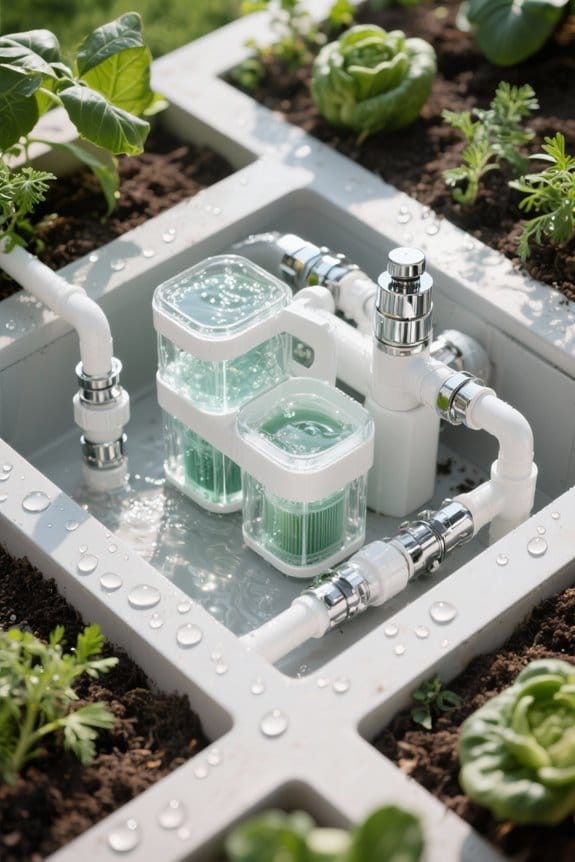
Using graywater in the garden presents a practical approach to enhance water conservation and optimize gardening efforts. Graywater reuse can account for 50-80% of household wastewater, turning a potential waste product into a valuable resource. By implementing a greywater irrigation system, gardeners can lower water bills while cultivating healthier plants. Nutrient-rich greywater provides essential nutrients that benefit various plants, including drought-tolerant species. This method helps alleviate pressure on sewage treatment facilities, promoting environmental sustainability. Additionally, following best practices, such as ensuring that the greywater is free from hazardous chemicals and utilizing a drip irrigation system, minimizes contact with edible plants. Eco-friendly materials contribute to sustainable gardening practices, ensuring that greywater systems are both efficient and environmentally responsible. Overall, the benefits of using greywater are significant, contributing to both economic savings and enhancing garden health.
Safety Considerations for Greywater Use
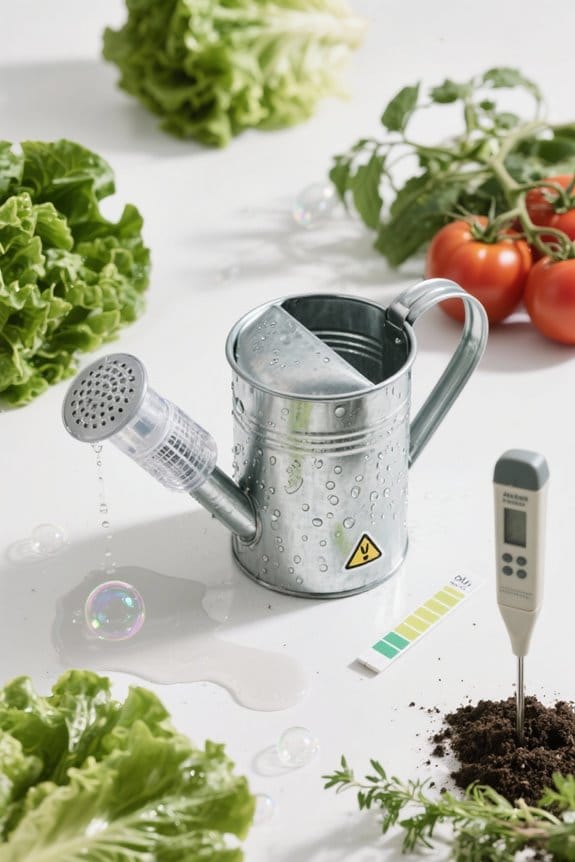
How can gardeners guarantee safe greywater use while reaping its benefits? First, greywater should never contact the edible portions of plants, particularly food-producing crops, unless using specific trees or shrubs. Implementing regular maintenance of greywater systems is essential to prevent bacterial buildup, odors, and health hazards. Gardeners must also clearly label greywater pipes to distinguish them from drinking water lines, ensuring safety. To improve water quality, filtration systems can be added, which help prevent blockages and extend system lifespan. Furthermore, it is crucial to select weather-resistant designs for any outdoor plumbing or water systems to ensure longevity and functionality under various climate conditions. Finally, it is important to take into account safety considerations related to local regulations, as many areas have specific guidelines limiting greywater reuse for certain applications to protect public health and environmental integrity.
Recommended Products

Cleaner, Healthier Water from Every Tap in Your Home: Specially designed for well water. High-performance water filter system for great-tasting water, improved air quality, healthier hair & skin, and protected pipes & appliances.

ENJOY CLEAN WATER FROM EVERY FAUCET - WCFM500K whole house water filtration system reduces iron (up to 12 ppm), manganese & hydrogen sulfide (up to 20 ppm), solids, and turbidity with 3-micron sediment filtration. Automatic media regeneration extends system lifespan up to 10 years with no filter replacements.
ENJOY CLEAR WATER FROM EVERY FAUCET - Installed at the main water entry, this whole house water filter system removes chlorine, lead, heavy metals, pesticides, herbicides, VOCs, and other contaminants. Lab-tested to meet NSF/ANSI 42 and 53 standards, it provides clean, great-tasting water throughout your entire home.
Local Regulations and Compliance
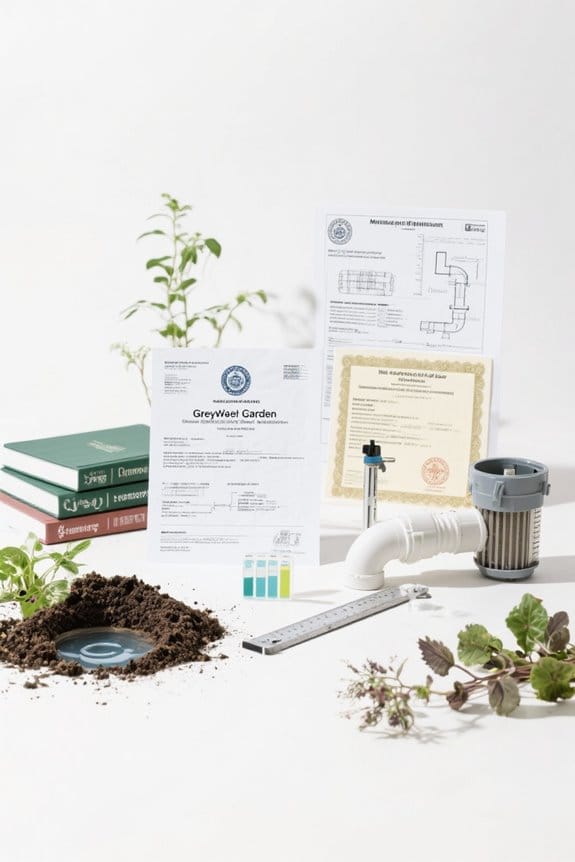
Maneuvering through local regulations and compliance for greywater usage is vital for homeowners interested in sustainable gardening practices. Local regulations regarding graywater systems can differ greatly, with some states allowing up to 400 gallons per day for irrigation without a permit, while others, like Florida, prohibit outdoor use entirely. Compliance with health and safety regulations is significant, as many areas restrict using greywater on food-producing plants. In Georgia, homeowners may only transport graywater manually in buckets. Understanding these regulations minimizes legal complications and guarantees safety in gardening practices. Homeowners should consult local guidelines and best management practices to effectively navigate the requirements for safe and effective greywater irrigation systems in their region. When planning your garden, it’s essential to consider the growth requirements for successful cultivation, such as full sun exposure and well-drained soil, to ensure both compliance and optimal plant health.
Choosing the Right Plants for Greywater Irrigation
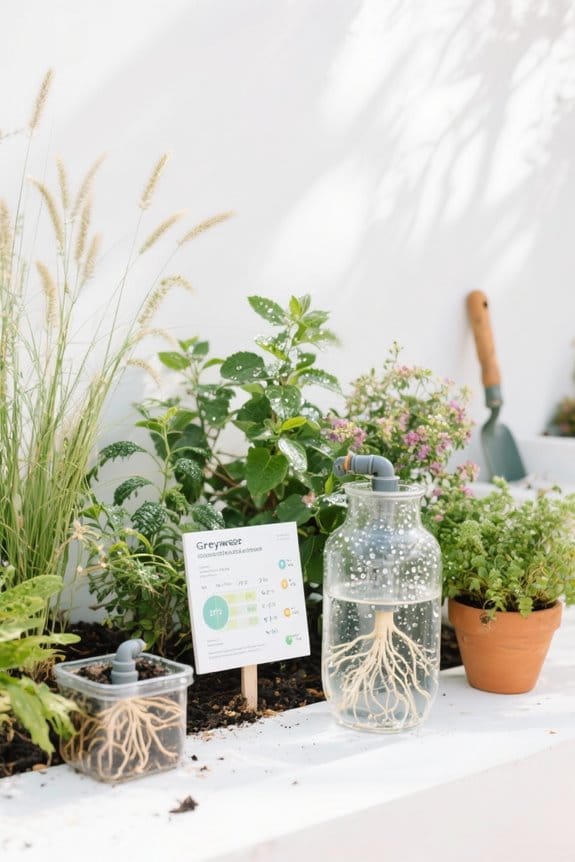
Selecting the appropriate plants for greywater irrigation can greatly enhance the sustainability of a garden while ensuring ideal plant health. Drought-tolerant plants, like lavender and rosemary, are most suitable due to their adaptability to fluctuating moisture levels. Additionally, fruit trees, including citrus and apple varieties, align well with greywater reuse, benefiting from the nutrients without risking contamination of edible parts. However, it is important to avoid using greywater on leafy greens, such as lettuce, and root vegetables, like carrots, due to contamination risks. Plants with deep root systems, such as tomatoes and corn, access moisture efficiently, promoting growth. This selection not only conserves water but also supports sustainable gardening practices amid increasing water shortages. For optimal use, ensure adequate sunlight exposure to promote robust plant growth and effective greywater utilization.
Simple DIY Greywater Collection Methods
Implementing simple DIY greywater collection methods can greatly contribute to garden sustainability and water conservation. Homeowners can easily gather greywater manually from household activities, such as bathing or washing dishes, using buckets. This method allows for straightforward transport to garden areas. Alternatively, installing a greywater diverter enables automatic redirection of water from laundry machines directly into irrigation systems, streamlining the greywater reuse process. A laundry-to-landscape system, which uses a diverter valve, effectively channels rinse water to landscape beds, thereby promoting healthy plant growth. To optimize results, greywater should be filtered to eliminate lint and soap residues, preventing clogging. Combining manual collection with drip irrigation systems guarantees efficient water usage, providing a consistent source of greywater for garden hydration. Additionally, integrating solar-powered options in automatic irrigation systems can enhance energy efficiency and ensure uninterrupted operation, which is especially beneficial when using greywater for maintaining outdoor plants.
Recommended Products

Effortless Yard Irrigation Setup: The Orbit All-in-One Automatic Watering System simplifies yard irrigation with a complete 2-zone automatic sprinkler system designed to deliver consistent watering

Waters your lawn automatically the whole season

4-Valve Control: Manages water flow for up to four sprinkler zones
Maintenance and Best Practices for Greywater Systems
Regular maintenance of greywater systems is critical to guarantee their efficient operation and safety. To prevent bacteria buildup, routine cleaning of filtration systems is essential. Surge tanks should be covered, sealed, and secured, and greywater must not be held for more than 24 hours to minimize odor and contamination risks. Properly labeling pipes that carry greywater will help distinguish them from drinking water lines, thereby enhancing safety. Best management practices suggest using greywater for irrigation only in non-food-producing areas, and flow rates should remain under 400 gallons per day to comply with regulations. In cases of blockages or overloads, stopping the use of greywater immediately is crucial to prevent backflows and possible health hazards. Incorporating pressure compensating drip lines can ensure consistent water distribution when using greywater for irrigation, further enhancing system efficiency and plant health.
Recommended Products

16 mm dripline with 0.92 GPH pressure-compensating emitters – Delivers consistent, low-volume water directly to plant root zones for efficient subsurface and surface drip irrigation.

Efficient and Uniform Watering: Our 5/8" Drip Tape, with a generous 3281FT length and 6" spacing roll, is designed for precise watering. Each hole in the tape emits a consistent 0.75 GPH (Gallons Per Hour), ensuring your flowers, plants, and fruits receive the perfect amount of water for optimal growth and health

0.9 gph 12" spacing, 250'
Resources for Further Information and Expert Guidance
Accessing reliable resources for greywater systems can greatly enhance the effectiveness of gardening practices. Familiarity with local regulations is essential, as these laws vary widely and guarantee compliance and safety. Organizations like Greywater Action provide guidelines and educational workshops, empowering homeowners to incorporate greywater reuse responsibly. Consulting experts can yield tailored recommendations based on local climate and soil conditions, improving irrigation strategies. Additionally, online forums offer platforms for sharing experiences and gathering advice on best practices. It is also important to review product safety data sheets for personal care and cleaning products to identify potential contaminants in gray water before applying it to plants, thereby promoting healthy growth and minimizing risks. Incorporating wildflower mixes in gardens using greywater can attract pollinators and enhance biodiversity, contributing to eco-friendly gardening practices.
Frequently Asked Questions
Is Grey Water Safe for Gardening?
Greywater can transform gardens into thriving oases, promoting sustainable gardening practices and enhancing soil health. However, awareness of harmful chemicals is essential for safe irrigation system integration, maximizing greywater recycling benefits without jeopardizing plant health.
Is Grey Water Ok to Drain on a Yard?
Draining greywater onto a yard can be acceptable, focusing on responsible draining practices. Adhering to local regulations enhances soil health while fostering gardening benefits, provided environmental impacts are mitigated by avoiding shallow groundwater and flood-prone areas.
How to Make Grey Water Safe for Plants?
To make greywater safe for plants, employ effective treatment methods and filtration systems, select appropriate soap choices, use proper irrigation techniques, and guarantee application timing aligns with immediate usage to minimize contamination risks.
Is Gray Water a Biohazard?
Gray water may present biohazard risks due to its characteristics, including harmful microorganisms. Regulatory guidelines suggest treatment methods and alternative uses to minimize health risks, promoting safety in applications such as irrigation for non-edible plants.