As an Amazon Associate, we earn from qualifying purchases. Some links on this site are affiliate links at no extra cost to you. Our recommendations are based on thorough research and editorial judgment.

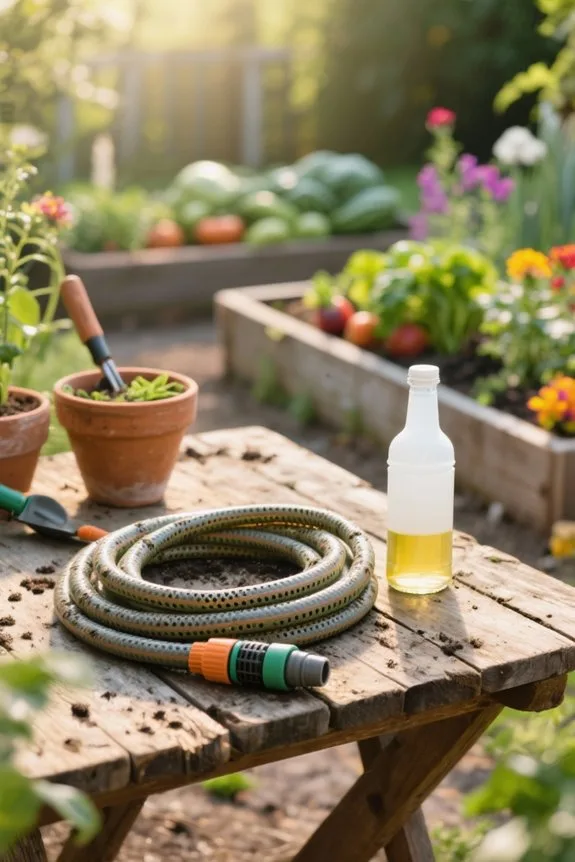
How to Clean Clogged Soaker Hose Pores With Vinegar

To clean clogged soaker hose pores with vinegar, first detach the hose from the water source. Create a solution using equal parts white vinegar and clean water. Soak affected sections of the hose in this mixture for at least 30 minutes. After soaking, run water through the hose at full pressure to dislodge remaining debris. Regularly maintain the hose by performing this cleaning every few months. Additional tips for effective maintenance can enhance your gardening experience.
Key Takeaways
- Detach the soaker hose from the water source to prevent flooding while cleaning.
- Mix one part white vinegar with one part clean water for effective clog removal.
- Soak affected sections of the hose in the vinegar solution for at least 30 minutes.
- Run water through the hose at full pressure to flush out debris after soaking.
- Regularly clean the hose with vinegar every few months to maintain performance.
Understanding Clogged Soaker Hoses
Clogged soaker hoses can compromise the efficiency of watering systems, making it critical for users to understand their causes and effects. In many regions, particularly those with hard water, mineral deposits often block the tiny pores essential for proper water flow. Specifically, calcium and magnesium can accumulate, alongside debris and sediment, leading to obstructions. Additionally, organic materials, dirt, and sand may introduce further blockages. Algae and bacteria are also common culprits, particularly in warmer conditions, creating a slimy interior layer that restricts water delivery. To mitigate these issues, users should consider utilizing a filter, flushing the hose every few months, and storing it properly when not in use to maintain peak functionality and prevent clogs. It’s important to choose soaker hoses with UV stabilization to prevent aging and cracking, which can further exacerbate clogging issues.
Causes of Clogs in Soaker Hoses
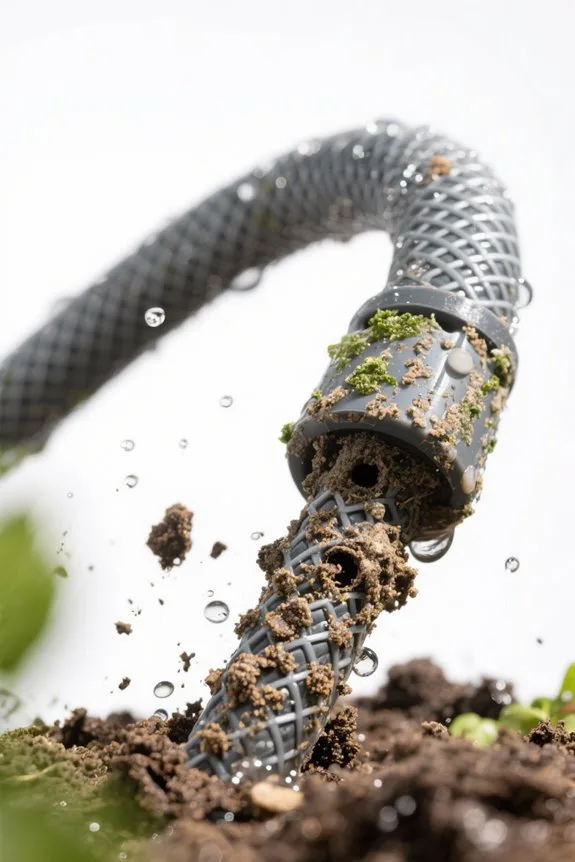
Soaker hoses can face a variety of clogging issues that hinder their ability to deliver water efficiently. One primary cause of clogs is mineral deposits from hard water, especially calcium and magnesium, which accumulate in the tiny hose pores over time. Additionally, dirt, sand, and leaves may enter the hose through the water source or surrounding environment, creating blockages. Algae and bacteria thrive in warm conditions, forming slimy layers that restrict water flow. Kinks and twists in the hose can also obstruct water passage, leading to uneven watering. Continuous usage increases the likelihood of clogs as sediment and other materials build up, necessitating more frequent maintenance and cleaning to guarantee peak performance. Using eco-friendly materials in soaker hoses can help reduce the environmental impact while promoting sustainable gardening practices.
Materials Needed for Cleaning
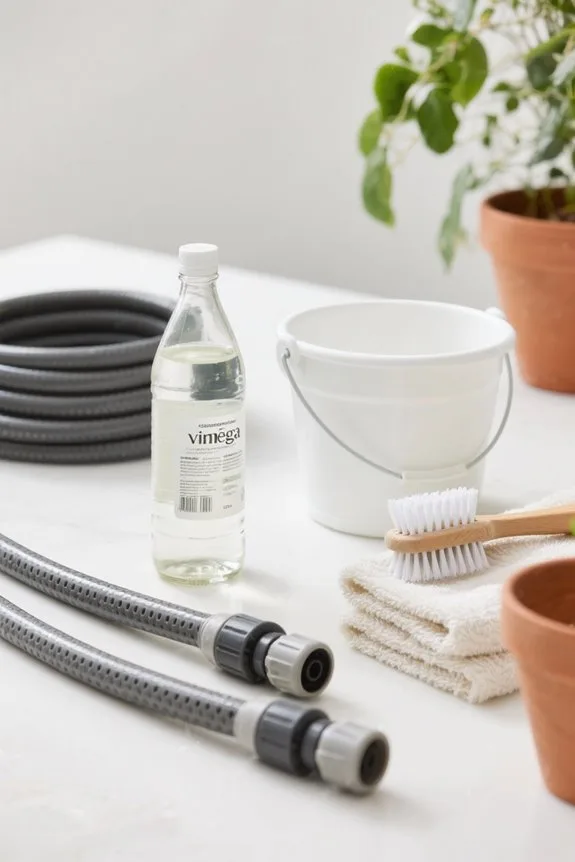
To effectively clean clogged pores in a soaker hose, certain materials will make the process straightforward and efficient. First, a solution of one part white vinegar and one part clean water is essential for breaking down mineral deposits. A bucket or large container is necessary to mix this solution and to submerge the soaker hose for effective soaking. If immersion isn’t feasible due to size, a funnel can help direct the vinegar solution into the hose. Additionally, a scrub brush or cloth is helpful for removing visible debris and buildup from the hose surface before soaking. It is also advisable to wear rubber gloves to protect the hands when handling vinegar and cleaning the hose.
Recommended Products

CONCENTRATED FORMULA: With a 10% acetic acid concentration, our vinegar is more potent than regular culinary vinegar, offering robust flavor and efficient cleaning.

Mojave holds an old-world look, featureing geometric patterns, neutral tones, and wool texture adding warmth and elegance to entryways, bedrooms, and living spaces.

[Flexible Modular Sofa] This modular sofa can be freely combined according to your needs and can adapt to various living spaces. Two seater sofas are suitable for small apartments or spaces, while three seater sofas are suitable for medium-sized apartments. L-shaped sofas, U-shaped sofas, V-shaped sofas, and eight seater sofas are suitable for large spaces such as living rooms, salons, and gatherings. Paired with additional ottomans, they can flexibly add more resting areas.
Step-by-Step Guide to Unclogging
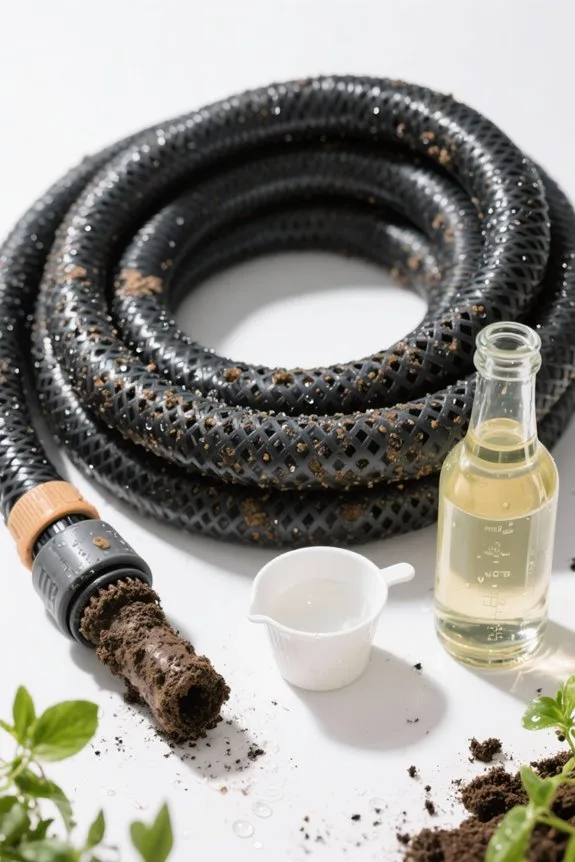
Cleaning a soaker hose requires a systematic approach to effectively remove blockages and restore its functionality. First, detach the hose from the water source to prevent accidental flooding. Next, carefully inspect the hose for any visible blockages or areas with uneven water distribution. After identifying the affected sections, prepare a mixture of equal parts vinegar and water, ensuring sufficient liquid to soak the clogged areas. Submerge or soak the specific sections in the vinegar solution for at least 30 minutes to dissolve mineral deposits. Following this, run water through the hose at full pressure to dislodge any remaining debris. Finally, consider cleaning with vinegar every few months to maintain peak performance and prevent future clogs in the hose. Soaker hoses, known for their water-saving benefits, contribute significantly to water conservation while enhancing plant health.
Preparing the Vinegar Solution
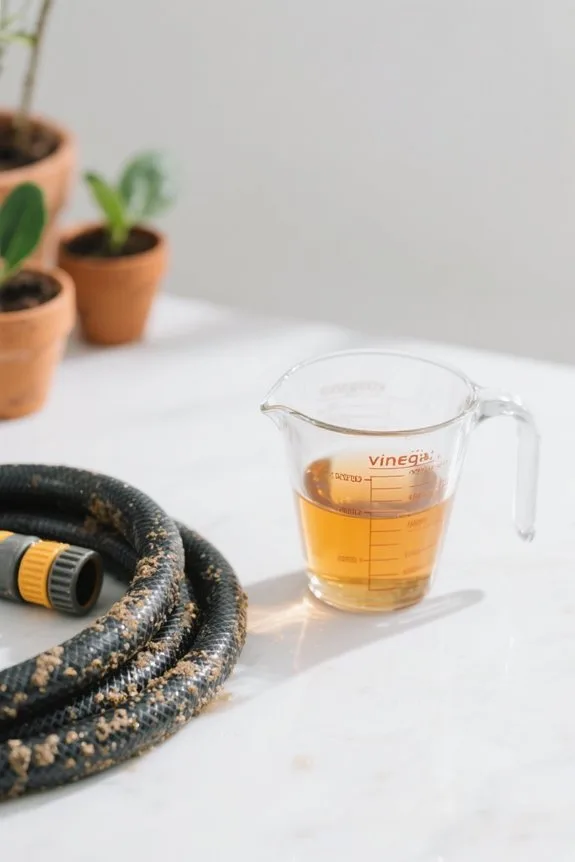
Preparing a proper vinegar solution is essential for effectively unclogging soaker hoses, as the acidity helps break down mineral deposits. To create this solution, mix equal parts of distilled white vinegar and water, following a common 1:1 ratio. This mixture guarantees that the acidity is strong enough for cleaning clogged soaker hoses. Distilled white vinegar is recommended due to its cost-effectiveness and availability for household cleaning tasks. Once the vinegar solution is prepared, immerse the clogged soaker hose, allowing it to soak for several hours or even overnight to tackle stubborn clogs. After this soaking period, thoroughly flush the hose with fresh water, removing any leftover debris and vinegar residue before reattaching it to the water source. Regular maintenance, which includes preventing clogging, is necessary to ensure efficient water distribution.
Recommended Products

𝙃𝙞𝙜𝙝𝙡𝙮 𝘾𝙤𝙣𝙘𝙚𝙣𝙧𝙖𝙩𝙚𝙙: This powerful vinegar concentrate is formulated with acetic acid 30, delivering industrial-grade strength in every drop. As a distilled white vinegar solution, it comes in a convenient vinegar gallon size and can be diluted into any concentration for flexible use.
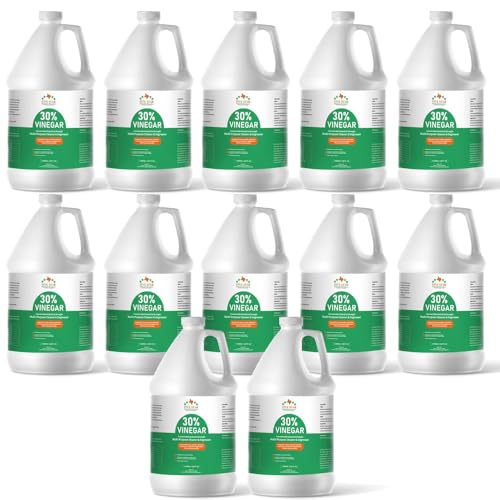
𝙃𝙞𝙜𝙝𝙡𝙮 𝘾𝙤𝙣𝙘𝙚𝙣𝙧𝙖𝙩𝙚𝙙: This powerful vinegar concentrate is formulated with acetic acid 30, delivering industrial-grade strength in every drop. As a distilled white vinegar solution, it comes in a convenient vinegar gallon size and can be diluted into any concentration for flexible use.

Simply mix Harris 30% Vinegar with water to create versatile, custom-strength solutions you can use indoors and out. Mix a spray bottle for cleaning surfaces, treating stains, and deodorizing unwanted smells, pour a gallon for cleaning floors, or fill a tank sprayer to wash fences and driveways.
Soaking the Hose
Soaking the soaker hose in the vinegar solution is a crucial step for effectively unclogging its pores. To begin, prepare a soaking solution using equal parts vinegar and water. Submerge the clogged soaker hoses in this mixture for at least 30 minutes. During this time, the vinegar works to dissolve mineral deposits that may have accumulated in the hose. Ascertain the hose is fully submerged, allowing the solution to penetrate all areas. After the soaking period, it’s important to examine the hose for any visible blockages that may remain. Regular soaking with vinegar can prevent future clogs and extend the lifespan of the soaker hose. This maintenance step is vital for ideal water distribution when the hose is in use. It is important to remember that regularly flushing the hose to remove blockages and debris is a key maintenance tip for prolonging the efficiency and functionality of your soaker hose.
Rinsing the Hose
Once the soaker hose has been soaked in the vinegar solution for the recommended 30 minutes, rinsing is the next essential step. Begin by disconnecting the soaker hose from the water source, ensuring no water flows during cleaning. Next, use a high-pressure water source to flush the hose thoroughly, running water through it to dislodge loose debris and blockages. This step is crucial for removing any remaining mineral deposits. After flushing, reverse the water flow to backflush the hose, pushing any persistent clogs out from the opposite end. Efficient watering solutions can help conserve water by ensuring hoses are clean and functional. Rinsing effectively cleans the soaker hoses, ensuring peak performance for future watering needs. Take care to thoroughly rinse all vinegar residues for best results.
Inspecting for Remaining Clogs
Regularly inspecting a soaker hose is essential for identifying any remaining clogs after cleaning. Begin by visually inspecting the hose for darkened areas or uneven water distribution. These conditions may indicate that some pores are still clogged. To enhance visibility, use a flashlight to identify any physical blockages or debris within the hose. If water leaks only from small sections, multiple clogged pores may be the issue. After treating the hose with vinegar, connect it to a water source, and carefully observe the output to guarantee water flows evenly. Finally, perform regular inspections every few weeks to catch potential clogs early, maximizing the hose’s performance and maintaining effective watering throughout the growing season. Consider using eco-friendly materials to ensure sustainable gardening practices while maintaining the longevity of your soaker hose system.
Tips for Regular Maintenance
Maintaining soaker hoses effectively can greatly prolong their lifespan and performance. Regular inspections should focus on visible blockages or uneven water distribution, which can reveal potential clogs early. Each season, flushing the hoses with water at full pressure helps dislodge loose debris. Establishing a routine of soaking the hoses in a mixture of vinegar and water can dissolve mineral deposits, reducing hard water-related clogs. Proper storage is essential; hoses should be kept in a cool, dry place, avoiding sunlight and extreme temperatures. Additionally, installing a filter on the water source can efficiently remove debris before it enters the hose, minimizing the risk of future clogs. Soaker hoses are most effective when used in loamy or sandy soils, as these soil types allow for even water distribution, thus enhancing the overall effectiveness of the watering system. Adhering to these maintenance tips will guarantee superior functionality.
Recommended Products

Stability Under The Sun: The sturdy frame and 3-layer PVC support bands ensures the legs of this 10ft x 30in swimming pool are stable and keep the pool in place no matter the activity

✅Intelligent Temperature & Timer Control: Customize your foot spa experience with adjustable water temperature from 95°F (35°C) to 118°F (48°C). High - performance PTC heating ensures rapid heating and consistent temperature. The programmable timer (10 - 60 minutes) with automatic shut - off offers convenience, and the foldable design allows for easy operation even in compact spaces.

770 GPH Max Flow + 32 Ft Max Lift – Powerful Performance: This cordless stick water transfer pump delivers an impressive 770 gallons per hour with a 32 ft max head, powerful enough to drain a 300-gallon hot tub in under 25 minutes or pump water from deep window wells, basement sumps, and rain barrels. The high-lift capability ensures efficient water removal even from hard-to-reach areas.
Preventing Future Clogs
To effectively prevent future clogs in soaker hoses, it is essential to incorporate several key practices into regular maintenance routines. First, installing a filter at the water source can block debris from entering the hose, greatly reducing clog risks. Regularly flushing the hose with water at full pressure will help dislodge sediment buildup, avoiding blockages that may hinder water flow. Additionally, storing the hose in a cool, dry place, away from direct sunlight and extreme temperatures, extends its lifespan. Using softened water instead of hard water minimizes mineral deposits that contribute to clogging over time. Finally, scheduling periodic inspections allows homeowners to identify early signs of clogs, enabling timely maintenance to prevent more severe blockages. It’s also beneficial to select UV-resistant polyethylene drip tubing for its durability and resistance to environmental factors, which can help in reducing maintenance needs.
Recommended Products

MATERIAL: Made from premium grade white polyethylene (PE), this tubing offers durability and long-lasting performance for irrigation applications.

FITS 1/8" TUBING ----- A Revolutionary Circular Multi-Outlet Dripper for Containers

Precision & Durability: 3/8" and 3/4" OD copper-aluminum tubes with a precision design for central AC. 1" thick walls ensure leak-proof performance, long-lasting durability, and excellent thermal conductivity, making them perfect for demanding environments.
Alternatives to Soaker Hoses
When soaker hoses present challenges, gardeners can turn to various alternatives that may better suit their watering needs. Drip irrigation systems, comprised of drip tape and mainline tubing, supply water directly to plant roots, greatly reducing water waste and preventing clogged hoses. Drilled tubing, with holes spaced every 6 inches, can also minimize clogging from mineral deposits, while sprinklers offer a straightforward solution for watering large areas, particularly beneficial for directly sown seeds. Additionally, DIY PVC pipe irrigation systems allow customization to address specific landscape requirements and mitigate clogging issues. It is essential for gardeners to assess local climate conditions and plant needs when choosing between these options, as effectiveness can vary based on moisture levels. One efficient option is the Spalolen Quick Install Drip Irrigation System, which offers a leak-proof design and quick setup to ensure a reliable watering solution for gardens.
Frequently Asked Questions
How to Clean Clogged Soaker Hoses?
Soaker hose maintenance is essential; one must first inspect for blockages. Effective cleaning involves soaking the hose in a vinegar solution, then backflushing to guarantee unobstructed water flow and prolong its functionality. Regular care enhances performance.
Why Is My Soaker Hose Not Soaking?
A soaker hose may not soak effectively due to clogs from mineral deposits or debris. Regular soaker hose maintenance is essential for maximum watering efficiency, ensuring consistent moisture delivery to plants without interruptions.
How to Remove Calcium Buildup on a Hose?
Calcium buildup on a hose can be effectively removed through vinegar soaking. For ideal hose maintenance, applying a vinegar and water mixture regularly will help prevent mineral accumulation and guarantee continuous water flow.
What Is the Life Expectancy of a Soaker Hose?
The life expectancy of a soaker hose ranges from 2 to 5 years, influenced by soaker hose maintenance and environmental factors. Proper care enhances watering efficiency, while neglect can accelerate degradation and reduce its lifespan.