As an Amazon Associate, we earn from qualifying purchases. Some links on this site are affiliate links at no extra cost to you. Our recommendations are based on thorough research and editorial judgment.

Common Mistakes That Shorten the Lifespan of Your Irrigation Hoses

Common mistakes that shorten the lifespan of irrigation hoses include improper storage, neglecting routine maintenance, and excessive kinking. Storing hoses in direct sunlight or damp areas can lead to material degradation and mold growth. Regular inspections, including checks for leaks and clogs, promote functionality and longevity. Using inappropriate pressure settings, above 30 PSI, risks bursts, while kinks disrupt water flow. Attention to these details can enhance efficiency and allay future issues, encouraging better practices for maintenance.
Key Takeaways
- Storing hoses in direct sunlight leads to UV degradation, making the materials brittle and shortening their lifespan.
- Failing to coil hoses properly results in kinks and twists that disrupt water flow and damage the hose over time.
- Ignoring routine maintenance like inspections and cleanings allows cracks and clogs to develop, reducing efficiency and longevity.
- Using inappropriate pressure settings can cause hose bursts or inadequate water distribution, negatively affecting performance and durability.
- Neglecting to check and maintain fittings leads to leaks and potential damage, contributing to the overall short lifespan of irrigation hoses.
Improper Storage Practices

Improper storage practices greatly shorten the lifespan of irrigation hoses, resulting in unnecessary expenses for consumers. For instance, storing hoses in direct sunlight can cause UV degradation, making the material brittle and prone to failure. Properly coiling hoses is vital; failure to do so can create kinks and twists, disrupting water flow and forming pressure points that are susceptible to leaks. Additionally, draining hoses before winter is important to prevent frozen water from expanding, which can lead to permanent cracks. Storing hoses in damp environments fosters mold growth, ultimately clogging emitters and reducing irrigation efficiency. To maintain peak performance, consumers should secure hoses using appropriate materials to avoid damaging their equipment over time. Incorporating anti-siphon valves in irrigation systems helps prevent backflow contamination, which is crucial for maintaining the quality and safety of potable water supplies.
Recommended Products
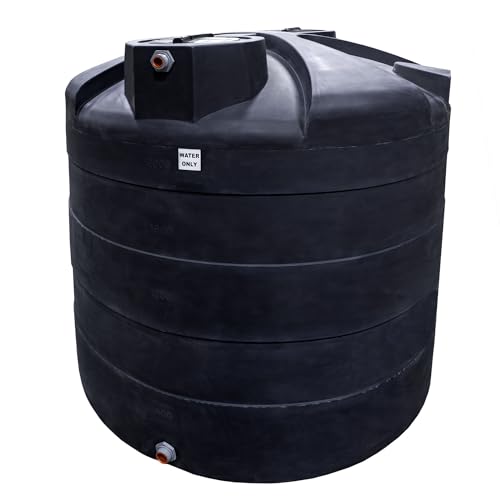
RELIABLE LONG-LASTING VERTICAL WATER STORAGE: The Elkhart Plastics 2500 Gallon Water Container is designed for a wide range of applications; Vertical tanks are versatile for bulk water, well water storage, rainwater collection, and fire suppression
![[Palram - Canopia Feria 10' x 14' Patio Cover - Gray]](https://m.media-amazon.com/images/I/21fUMawFkeL._SL500_.jpg)
Clear polycarbonate roof panels provide protection from harmful UV rays while allowing 65% of sunlight to be transmitted through
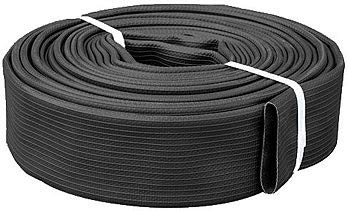
Black PVC/Nitrile hose using an extruded throughthe-weave process with circular woven high tenacity polyester reinforcement.
Neglecting Routine Maintenance

Routine maintenance of irrigation hoses is crucial for guaranteeing their longevity and peak performance. Regular inspections help identify cracks, leaks, and clogs, which can lead to significant water waste and reduced efficiency. Cleaning hoses every few months will prevent sediment and debris accumulation, which contributes to internal blockages. Checking connection points for wear is also essential, as leaks may increase pressure and accelerate hose degradation. Additionally, flushing filters should be part of routine maintenance to remove buildup, while inspecting emitters guarantees excellent water distribution. Durable materials help minimize future expenses, and researching local rebates can help offset initial setup costs while promoting sustainability. Hoses should be inspected every three months and cleaned biannually, promoting both functionality and longevity. Proper maintenance ultimately safeguards your investment, guaranteeing your irrigation system operates effectively throughout the growing season.
Excessive Kinking and Twisting

Kinking and twisting of irrigation hoses can greatly hinder water flow, disrupting proper water delivery to plant roots. Excessive kinking can lead to water flow disruption, resulting in uneven watering and potential plant dehydration. Twisting hoses during installation increases points of high friction, heightening the risk of wear and tear, considerably shortening hose lifespan. To combat these issues, regular inspections for kinks and twists should be part of routine maintenance, promoting ideal water distribution. Employing hose guides or stakes can help maintain proper orientation, preventing kinking and twisting. Additionally, using thicker-diameter hoses can offer greater resistance to twisting than thinner alternatives, enhancing durability. Proper care can extend the longevity and efficiency of irrigation hoses considerably. To further ensure durability, consider using weather-resistant materials for your hoses, similar to those used in top digital sprinkler timers, which can withstand outdoor conditions effectively.
Recommended Products

Durable Construction – nitrile inner tube resists corrosion from fuels while rugged neoprene exterior withstands abrasive outdoor environments
Durable Construction – nitrile inner tube resists corrosion from fuels while rugged neoprene exterior withstands abrasive outdoor environments

High Flow 5/8" Inner Diameter for Powerful Flow: Flaronro 90 ft × 5/8" garden hose is built with a High Flow 5/8 inch inner diameter hose (16mm) and fittings (14mm), delivering 25% more water flow for faster, more efficient watering.
Using Inappropriate Pressure Settings

When irrigation hoses are subjected to inappropriate pressure settings, both their functionality and lifespan can be compromised. Typically, these hoses perform at an ideal level within a range of 10-30 PSI. Excessive water pressure can lead to hose bursts, while low pressure generates an inefficient irrigation system, causing inadequate water distribution that stresses plants. Regular monitoring with a pressure gauge is essential to guarantee peak performance and prevent wear. Employing a pressure regulator minimizes damage from pressure fluctuations, ensuring consistent operation. Additionally, using pressure-compensating emitters helps maintain even flow rates, thereby enhancing water efficiency and preventing clogs. Regularly inspect drip irrigation parts for wear and damage to ensure a long-lasting system. Avoiding these common mistakes can greatly extend the service life of irrigation hoses, safeguarding investments in effective and lasting irrigation solutions.
Running Hoses Over Rough Surfaces

Irrigation hoses, while essential for effective watering, face numerous challenges when run over rough surfaces that can greatly reduce their lifespan. Abrasion from sharp edges and uneven terrain creates high-friction points, leading to cracks and leaks in the hose material. This damage compromises durability and increases the likelihood of kinking, which can result in blockages that hinder water flow. Regularly inspecting hoses after exposure to these rough surfaces is crucial for identifying wear and tear early. To mitigate damage, it is advisable to use protective mats or cover hoses with protective tubing when crossing rough terrains. Many fittings feature tool-free installation, making it easier to replace damaged hoses and maintain the effectiveness of irrigation systems. These preventive measures can considerably extend the lifespan and maintain the effectiveness of irrigation systems, ensuring consistent watering of gardens and landscapes.
Ignoring Leak Checks and Fittings
Regular leak checks are an important component of effective irrigation system maintenance. Undetected leaks can lead to significant water loss, reducing water pressure and diminishing the system’s efficiency and lifespan. It is critical to regularly inspect fittings and connections for signs of wear, damage, or corrosion. These inspections prevent leaks and guarantee peak flow. Using correctly sized fittings reduces stress on hoses and avoids potential leaks. Secure all connections properly to avoid fluctuations that could contribute to wear and tear. Neglecting regular maintenance can cause debris to accumulate, leading to clogs that exacerbate leaks, further shortening the lifespan of hoses and their components. Implement adjustable flow rates with emitters for controlled water distribution, which helps in conserving water and supports healthy plant growth. Maintaining vigilance with checks on fittings and connections is crucial for a functional irrigation system.
Frequently Asked Questions
What Is the 30 30 Rule for Irrigation?
Ironically hailed as a simple solution, the 30 30 Rule for irrigation involves watering for 30 minutes, allowing 30 minutes for absorption, ultimately integrating eco-friendly practices within effective soil moisture management and efficient water conservation efforts.
What Is the Most Wasteful Method of Irrigation Called?
The most wasteful method of irrigation is flood irrigation, which often results in significant water waste. Unlike drip systems and efficient sprinkler design, flood irrigation fails to optimize soil moisture and undermines effective water conservation practices.
How Long Do Irrigation Lines Last?
Irrigation lines have a lifespan of 5 to 20 years, influenced by material quality, UV resistance, and weather impact. Effective hose maintenance, proper installation techniques, pressure regulation, and storage practices can optimize longevity and performance over time.
What Is the 200 200 Rule for Irrigation?
The 200 200 Rule establishes that for every 200 feet of irrigation hose, no more than 200 emitters should be used, ensuring irrigation efficiency and proper pressure regulation for ideal soil moisture and crop health.