As an Amazon Associate, we earn from qualifying purchases. Some links on this site are affiliate links at no extra cost to you. Our recommendations are based on thorough research and editorial judgment.


Can You Bury Soaker Hoses Under Mulch? Pros and Cons Explained

Burying soaker hoses under mulch can be an effective irrigation strategy that offers various advantages and challenges. It helps retain soil moisture, stabilizes temperature, and protects hoses from UV damage. However, potential drawbacks include difficulties in monitoring clogs, uneven water distribution, and risk of fungal diseases from excess moisture. For ideal results, hoses should be placed 2-3 inches beneath the mulch surface, with careful attention to watering pressure, to maintain efficient irrigation. Readers may discover additional insights on best practices.
Key Takeaways
- Yes, soaker hoses can be buried under mulch to enhance water retention and reduce evaporation.
- Burying hoses protects them from UV damage and minimizes weed growth, benefiting plant health.
- Accessibility challenges may arise, making it difficult to check for clogs when hoses are buried.
- Uneven water distribution and soil compaction risk dry spots or excessive moisture under mulch.
- Maintaining moderate mulch thickness and checking water pressure is essential for optimal irrigation effectiveness.
Understanding Soaker Hoses and Their Functionality
Soaker hoses serve as an effective irrigation solution for gardeners aiming to deliver water directly to plant roots. These hoses release water slowly through tiny pores, guaranteeing a targeted and deep watering approach. Constructed from materials like porous rubber, PVC, or fabric, they minimize evaporation and runoff, enhancing efficiency. Operating efficiently even at low water pressure, soaker hoses direct water to the root zone of plants, optimizing moisture levels at the necessary depth. When buried under mulch, they can further decrease evaporation, maintaining consistent soil temperatures. Regular monitoring is recommended to prevent clogs or damage that could impede water flow. Gardeners should affirm that a thin layer of mulch covers the hoses for improved performance without compromising accessibility. Additionally, using eco-friendly materials in soaker hose constructions contributes to sustainable gardening practices, ensuring long-term environmental benefits.
Benefits of Burying Soaker Hoses Under Mulch

Burying soaker hoses under a layer of mulch offers several benefits that enhance garden irrigation and plant health. This practice helps retain soil moisture, greatly reducing evaporation and delivering water more effectively to plant roots, especially during hot months. A layer of mulch can also stabilize soil temperature, fostering healthy root growth while simultaneously protecting hoses from UV damage and wear. Additionally, burying soaker hoses prevents weed growth, which minimizes competition for moisture and nutrients among plants. Covering the hoses with mulch can enhance their longevity by reducing exposure to the elements and physical damage caused by garden activities. Typically, a few inches of mulch are recommended to maintain effective water distribution and improve overall garden health. Advanced irrigation systems often include smart rain sensors, which automatically adjust watering schedules based on weather conditions.
Recommended Products
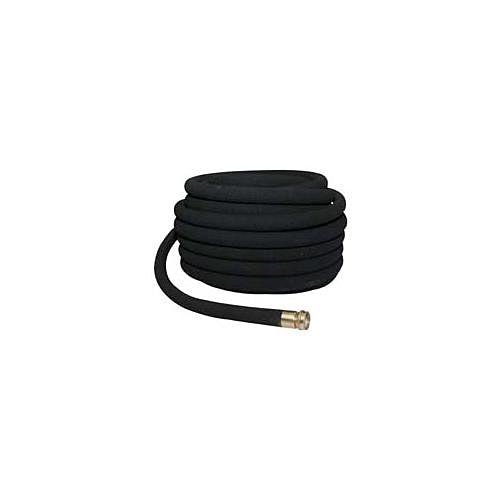
Garden soaking hose

Your best gardening assistance keeping weeds and bushes away from your plants, vegetables, what you really want to grow in your garden. Ideal for flowerbeds, walkways, patios, retaining wall jobs, underlayer for artificial lawn. Prevents moisture in. Reduces soil erosion.
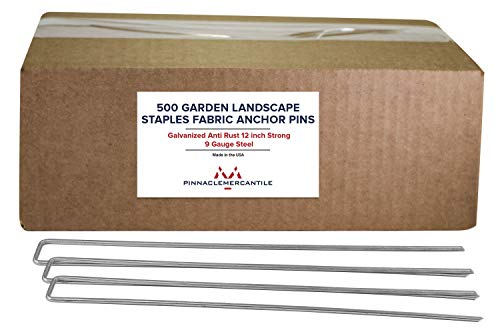
EXTRA HEAVY DUTY RUST-RESISTANT HOLD: Thick 9 gauge galvanized steel stakes drive into tough soil and stay put, securing garden staples projects, edging, drip irrigation, fencing, and holiday decor so these stakes for gardening resist bending and last season after season.
Potential Drawbacks of Burying Soaker Hoses

While the practice of burying hoses under mulch has its advantages, several potential drawbacks warrant careful consideration. Burying soaker hoses can create challenges in monitoring the system for clogs, as they become less accessible for inspection. If the hoses are buried too deeply, water distribution may become uneven, leading to dry spots that hinder plant hydration. Soil compaction from mulch weight can also impede water seepage, reducing irrigation effectiveness. Additionally, excessive moisture retention under mulch can promote fungal diseases, as saturated soil and foliage create a conducive environment for growth. Ultimately, without proper coverage, buried hoses may suffer from sun damage over time, compromising their functionality and lifespan. Moreover, it’s important to ensure that sufficient water pressure is maintained, as low pressure can affect the efficiency of water delivery to the plant roots.
Recommended Products
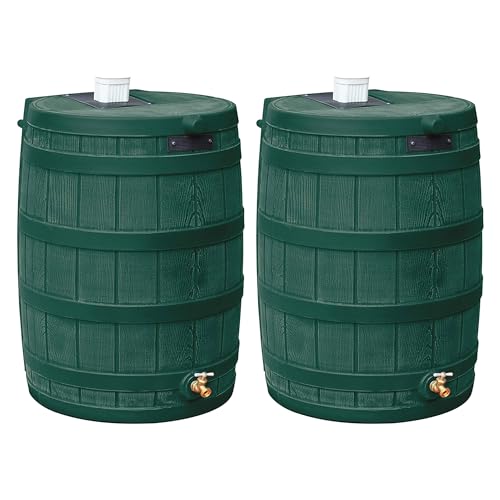
Rain Barrel: Add style and beauty to your outdoor space while helping the environment by conserving water with this set of 2 50-gallon rain barrel

Standard 3/4" Garden Hose Thread Connections

The information below is per-pack only
Best Practices for Installation Under Mulch

To achieve effective irrigation with soaker hoses under mulch, proper installation techniques are essential. When burying soaker hoses, place them 2-3 inches below the mulch surface. This depth prevents excessive sun exposure and minimizes damage. A moderate mulch thickness is key; overly thick layers may hinder water penetration and decrease efficiency. Mulch also offers benefits by insulating the hoses, thereby reducing evaporation and retaining soil moisture. Moreover, minimizing sunlight can help prevent algae growth on the hoses. It is crucial to regularly monitor output, checking for adequate moisture delivery, as clogging may occur over time. By adhering to these best practices, users can optimize the performance of soaker hoses while ensuring the health of their plants. Regular maintenance, such as draining before storage, can significantly increase the longevity and overall performance of soaker hoses.
Recommended Products

【Professional Bulk Pack for Large Jobs】Includes 1000 heavy-duty landscape staples for large landscaping, weed barrier, sod, and turf installation projects. Designed for contractors and commercial use.

The ¼”, 500’, 12-inch spacing MICROLINE has a dimension of .170” ID X .250” OD and featured .52 to .65 GPH emitters flow rate every 12-inch at an operating pressure range of 10 to 25 PSI. The ¼” dripline ideal for all landscapes land gardens layouts delivering optimal watering efficiency and uniform root zone watering within the recommended length provided.

Your best gardening assistance keeping unwanted plants and bushes away from your plants, vegetables, what you really want to grow in your garden. Ideal for flowerbeds, walkways, patios, retaining wall jobs, underlayer for artificial lawn. Prevents moisture in. Reduces soil erosion.
Monitoring and Maintenance of Buried Hoses

Monitoring the performance of buried soaker hoses is essential for maintaining healthy plants and efficient irrigation. Regular checks should occur every two to four weeks, focusing on soil moisture levels. To assess functionality, run the system briefly and observe the wetness of the surrounding soil. Periodically inspect the exposed sections of the hoses for clogs or damage; buried areas may not be easily accessible. If significant pressure is needed to distribute water, adjust the supply pressure to stay within operational limits, typically no more than 25-30 psi for ideal performance. Confirm the mulch depth does not hinder water penetration into the soil, as too much can obstruct essential moisture from reaching plant roots effectively. Proper maintenance enhances longevity and efficiency. Using low precipitation rates in irrigation systems like rotor sprinklers can help minimize runoff and enhance water conservation.
Alternative Options for Watering Techniques
When considering alternative options for watering techniques, gardeners may find various methods effective for sustaining plant health and optimizing water usage. One approach involves utilizing soaker hoses buried beneath a thin layer of mulch, which aids in moisture retention and minimizes evaporation. This method promotes water efficiency by delivering hydration directly to the root zone, ensuring that the plants receive adequate soil moisture. However, it is essential to monitor for clogs or damage, as troubleshooting buried hoses can be challenging. Additionally, gardeners may need to adjust their watering schedules since moisture retention will vary based on the mulch depth and type. Minimal maintenance is required once soaker hoses are properly installed, similar to the care needed for Purple Sensation Allium bulbs. Alternative irrigation techniques, including drip systems and overhead sprinklers, can also provide efficient options tailored to specific garden needs.
Recommended Products

Consistent & Even Watering Drip Irrigation Hose: Makes use of a clog-resistant fabric cover recyceld vinyl for consistent slow soaking seep throughout its entire length. Deliver water to the entire area that it covers. Only certain areas of your garden bed getting watered.For waste-free watering in garden beds and other tight spaces. Waters the base of the plants so less water-related leaf damage.

【Saves Up to 80% Water】This upgraded 200FT soaker hose features a premium dual-layer design: a thick, durable rubber inner tube protected by a high-density fabric outer sleeve. By delivering water directly and evenly to the roots, this efficient drip hose minimizes evaporation and cuts water waste by up to 80%.

WATER-SAVING: thick-rubber design saves 80% water, waters roots evenly, cuts evaporation. Can be covered with 7-inch soil, fits all terrains without affecting watering.
Comparing Soaker Hoses With Other Irrigation Systems
How do soaker hoses measure up against other irrigation systems regarding efficiency and usability? Soaker hoses, typically used in flat garden beds and raised beds, offer simple installation and water conservation benefits. They slowly release water, helping to keep soil moist, especially when covered with mulch. However, their coverage flexibility is limited compared to drip irrigation systems, which deliver precise watering directly to plant roots. Drip irrigation is ideal for varied layouts, allowing customization to different water pressures and conditions. While both systems aid in effective watering, drip systems can use up to 50% less water than traditional methods, making them more efficient at preventing evaporation and runoff. Home gardeners should consider their garden’s needs to determine the best option. Additionally, systems like the Spalolen Quick Install Drip Irrigation System allow for quick setup without the need for heating tools, making them accessible and efficient for diverse gardening applications.
Recommended Products
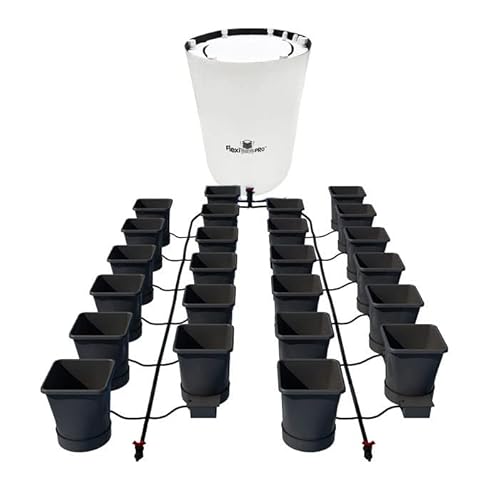
Self-Watering, Gravity-Fed Systems for Grow Tents & Hydroponics
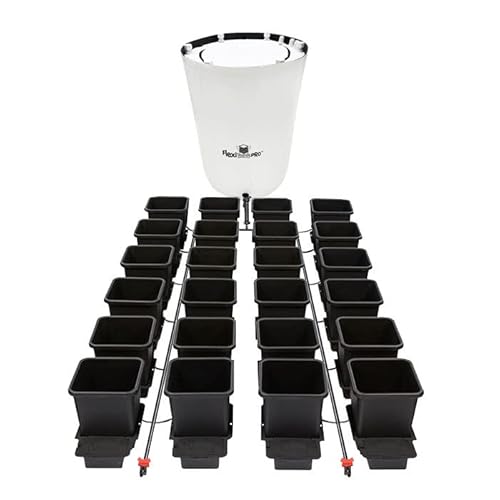
Self-Watering, Gravity-Fed Systems for Grow Tents & Hydroponics

MAINTAINS CLEAN IRRIGATION SYSTEMS – Designed to help keep irrigation lines, reservoirs, and feed tanks clean by reducing organic buildup and supporting efficient water movement throughout your growing system.
Tips for Maximizing Water Efficiency in Your Garden
To maximize water efficiency in a garden, implementing several practical strategies can yield significant benefits. Using soaker hoses buried under a thin layer of mulch enhances water retention and minimizes evaporation. Operating these hoses at low water pressure, ideally around 20 PSI, facilitates even water distribution and deeper hydration. Watering during early morning or evening hours further reduces moisture loss in hotter conditions. To maintain efficient water delivery, regular checks for clogs or leaks are essential; these issues can diminish water output over time. Additionally, covering hoses with mulch helps prevent UV damage, ensuring their longevity and effectiveness. By following these guidelines, gardeners can optimize moisture levels while promoting healthy plant growth and sustainability. Strip sprinkler nozzles, such as those with adjustable flow rates, can also be integrated into garden systems to ensure precise water application and reduce waste.
Frequently Asked Questions
Can I Put a Soaker Hose Under Mulch?
Burying a soaker hose under mulch benefits garden irrigation by enhancing water conservation and soil health. Maintaining a mulch depth of 1-2 inches aids plant growth, weed suppression, and cost efficiency, while ensuring effective maintenance frequency.
What Is the Best Thing to Put Under Mulch?
Using organic matter like compost or grass clippings under mulch enhances moisture retention, weed control, and soil temperature, promoting plant health. Biodegradable options also improve drainage and landscape aesthetics, while mulch thickness aids these benefits.
Can You Bury Drip Irrigation Under Mulch?
Yes, drip irrigation can be buried under mulch, benefiting efficient watering and enhancing soil moisture retention. Proper landscape design supports plant health, while installation tips and maintenance requirements guarantee cost effectiveness and positive environmental impact.
What Is the Disadvantage of Soaker Hose?
Amidst a garden’s lush tapestry, soaker hose efficiency falters due to potential clogs and reduced water retention, complicating maintenance. Soil moisture levels suffer, impacting plant compatibility while diminishing lifespan considerations and overall cost effectiveness in irrigation systems.