As an Amazon Associate, we earn from qualifying purchases. Some links on this site are affiliate links at no extra cost to you. Our recommendations are based on thorough research and editorial judgment.

Signs of Overwatering: How to Rescue Drowning Plants

Signs of overwatering include yellowing leaves, wilting despite damp soil, and soft, squishy stems. To rescue affected plants, stop watering for several days, check soil moisture, and inspect for leaks. Relocate plants to well-draining spots, utilizing plant stands or gravel trays. Amend soil with organic matter and incorporate drainage holes if needed. Monitor watering schedules, only watering when the top inch of soil is dry. Additional strategies can enhance plant recovery and future care.
Key Takeaways
- Look for yellowing leaves, wilting plants, and soft, squishy stems as signs of overwatering.
- Stop watering immediately and allow the soil to dry out for several days.
- Check for leaks or issues with irrigation systems that may be causing excess moisture.
- Relocate plants to better-draining areas to prevent soggy conditions and improve recovery.
- Amend soil with organic materials and ensure proper drainage to promote healthier roots.
Identifying Overwatering Symptoms
To effectively identify symptoms of overwatering in plants, one must observe several key indicators closely. Yellowing leaves, particularly those at the bottom of the plant, signal potential overwatering issues. Wilting plants that remain damp in their soil suggest inadequate oxygen supply to the roots due to excess water. Signs of overwatering may also include soft, squishy stems and leaves, lacking structural integrity. Checking the roots is essential; healthy roots should be firm and white, whereas overwatered plants often exhibit brown, mushy roots, indicating root rot. Additionally, poor drainage can lead to mold or mildew, which frequently appears on the soil surface. A moisture meter may assist in evaluating humidity levels, confirming if conditions are consistently damp. Using durable materials in garden setups can help prevent overwatering by ensuring proper water flow and reducing the risk of leaks.
Immediate Actions to Take
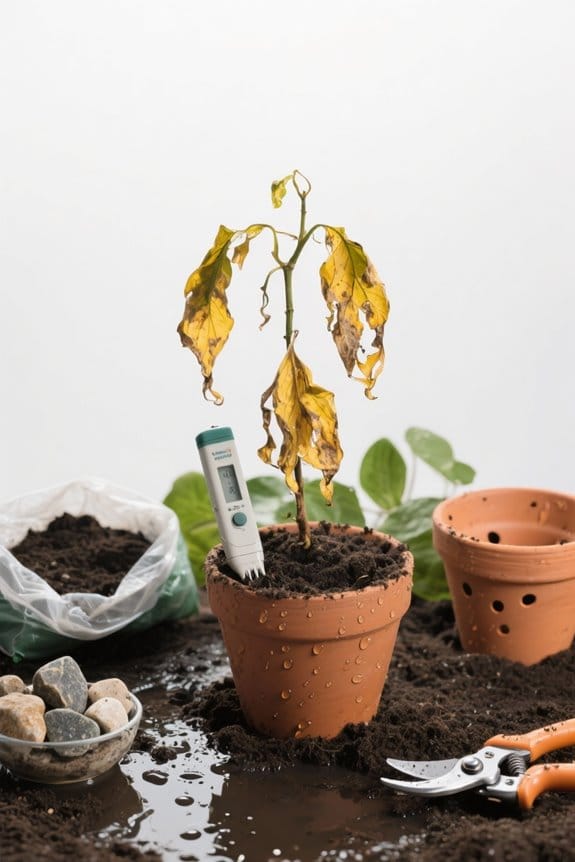
Addressing overwatering requires immediate action to mitigate potential damage to plants. First, stop all watering methods, including sprinkler systems, for several days to allow the soil to dry out. Next, check the soil moisture using a moisture meter or by inserting a finger into the soil; if it feels waterlogged, further measures are necessary. Inspect for leaks in hoses or malfunctioning irrigation systems that may cause overwatering. To promote healthier roots, consider implementing deep watering techniques, ensuring moisture penetrates deeper soil layers. Closely monitor the soil condition to prevent overwatering in the future. If the tree is in consistently wet conditions, relocation to a better-draining area with suitable soil characteristics may be needed for proper growth. Additionally, using organic mulch options can enhance soil structure and moisture retention, preventing future overwatering issues.
Recommended Products

ON DEMAND SOIL DATA: Get 6 instant readings, Soil Moisture, Soil Temperature, Bulk Soil Electrical Conductivity, Pore Water EC, Air Temperature, and Air Humidity. Simply insert the TDR sensor into your growing medium and get accurate results. Works across natural soils, coco coir, rockwool, perlite blends, and peat. Giving you a complete picture of your soil in any environment.

ON DEMAND SOIL DATA: One tap delivers six simultaneous readings, Soil Moisture (VWC), Soil Temperature, Bulk Soil EC, Pore Water EC, Air Temperature, and Air Humidity. All displayed on the built-in LCD screen. No waiting, no guesswork, just actionable field data in under a quarter second.

Measures pH values from 3.5 to 8
Relocating the Plant for Recovery

Relocating a plant for recovery can markedly improve its health, especially if it was initially placed in an unsuitable environment. If a plant shows signs of overwatering, such as soggy soil that is not dry to the touch, it may need a new home. When selecting a location, guarantee proper drainage to allow excess water to escape, preferably placing potted plants on plant stands or gravel trays. For trees, identify ground soil that retains moisture without becoming soggy, enabling healthy roots to thrive. After relocating, monitor the watering schedule closely, watering your plants only when the top inch of soil is dry. Additionally, provide adequate sunlight and airflow, which helps reduce moisture buildup and promotes healthier growth. Consider high-intensity reflective tape for increased visibility of garden edges at night, enhancing safety and aesthetics in your outdoor space.
Recommended Products

REALISTIC NATURAL APPEARANCE: Our grass is meticulously crafted with each blade having slight variations in color, dimension, and texture, giving it an incredibly realistic and natural appearance. Your lawn will be the envy of the neighborhood, creating a picturesque landscape that stands out from the rest.

4.7" x 4.7" Thickened Post: Thicker than traditional, enhancing the sturdiness and durability of the gazebo against all kinds of weather.

Heavy-Duty Roof for Wind & Snow: Supports up to 3080lbs with reinforced beams and solid wood columns. Stands firm in harsh weather, protecting your car or patio all year
Alternative Recovery Techniques
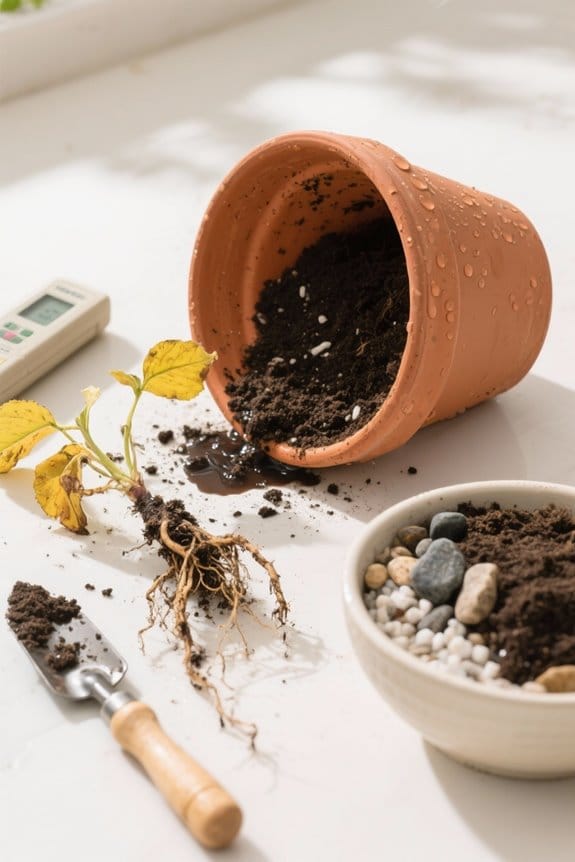
Many effective alternative recovery techniques exist for plants suffering from overwatering. To rehabilitate a distressed plant, first, allow the soil to markedly dry out before adding water again. This step is essential, as it prevents further root stress. Enhance the soil by amending it with organic matter, which improves drainage capabilities and helps manage moisture levels. Incorporate drainage holes in the pot to facilitate excess water escape, promoting healthier roots. Regular root aerobics, such as gently aerating the soil, can stimulate new growth and improve oxygen absorption. If the plant shows no signs of improvement, seeking professional assistance may be critical to revive it back to health. Monitoring root health is important to guarantee ongoing recovery. Consider using gate valve irrigation systems to efficiently manage water control and prevent future overwatering issues in your garden.
Preventing Future Overwatering Issues

Preventing future overwatering issues requires careful attention to various factors in plant care. First, always select pots with drainage holes to allow excess water to escape effectively. The “soak and dry” watering technique should be implemented, where thoroughly soaked soil is allowed to dry completely between waterings. Monitoring seasonal changes is vital, as plants typically need more water in warmer months and less in colder periods. Additionally, utilizing well-draining soil mixes enhances air circulation and improves moisture control. Regular checks for hidden water sources, such as leaks, are essential to prevent excess moisture build-up. By observing these best practices, signs of overwatering can be minimized, leading to healthier plant growth and longevity. Consider using drip irrigation systems to ensure that water is delivered directly to the plant roots, minimizing waste and preventing overwatering.
Recommended Products
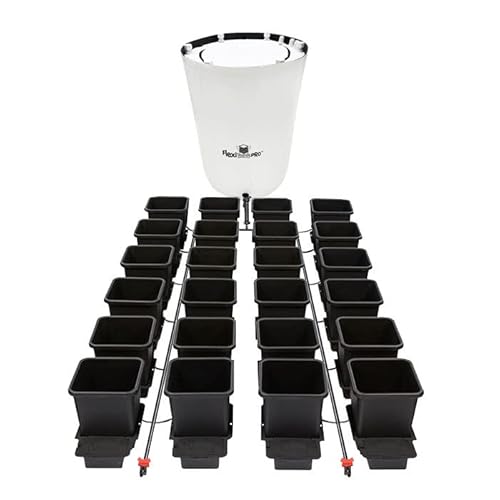
Self-Watering, Gravity-Fed Systems for Grow Tents & Hydroponics

Beginner-Friendly Smart Growing: The Grow Pilot system guides you through every stage with step-by-step HD video tutorials to use this VGrow smart grow box; Even first-time growers can grow from seed to harvest with confidence—no experience required

Best Practices for Ongoing Plant Care
Establishing a solid foundation for ongoing plant care is essential for nurturing healthy plants. To avoid issues, always choose a pot with drainage holes to prevent standing water. Make sure to monitor the amount of water each plant requires, adjusting based on environmental factors like humidity and temperature. Well-draining soil mixes enriched with organic matter help maintain the right moisture balance. When plants are showing some yellowing, they may need water; utilize the “soak and dry” method instead of strict schedules. Regularly check the soil moisture using the finger test or a moisture meter, ensuring the soil is neither too wet nor too dry. Utilizing soaker hoses significantly reduces water usage, saving up to 80% compared to traditional methods, and can be an eco-friendly solution for maintaining consistent moisture levels. These practices contribute to healthier plants and more effective care over time.
Frequently Asked Questions
How to Revive a Drowned Plant?
To revive a drowned plant, utilize effective watering practices, implement soil drainage solutions, and apply proper repotting strategies. Monitor for root rot symptoms and signs of recovery, emphasizing pot choice and humidity effects for ideal health.
Will Plants Recover From Overwatering?
Plants can recover from overwatering with proper care, focusing on root health and drainage solutions. Monitoring soil moisture, adjusting watering frequency, and choosing appropriate pots can mitigate leaf wilting and fungal growth while signaling recovery signs.
How to Dry Out Overwatered Plant Soil?
Like a shipwreck survivor, an overwatered plant needs immediate assistance. Employ drying techniques, enhance soil aeration, implement drainage solutions, and check with a moisture meter. Adjust watering schedules while monitoring humidity to mitigate fungal risks and observe plant signals.
Did I Overwater or Underwater My Plant?
Determining if a plant suffers from overwatering or underwatering involves observing plant symptoms like leaf drooping, checking soil moisture, evaluating drainage issues, ensuring pot selection promotes water retention, and assessing root health for recovery time.