As an Amazon Associate, we earn from qualifying purchases. Some links on this site are affiliate links at no extra cost to you. Our recommendations are based on thorough research and editorial judgment.


DIY Guide: Creating a Custom Grid Pattern With Soaker Hoses

To create a custom grid pattern with soaker hoses, measure your garden area precisely, ensuring adequate spacing for each plant’s water needs. Lay the hoses straight along the base of each plant, using plastic or metal stakes to secure them in place. Connect hoses to a water source with appropriate fittings, utilizing tees for maintenance ease. Incorporate a digital timer for automated watering. Consistently maintain the system by flushing hoses and inspecting for clogs. Understanding these aspects will enhance your garden’s efficiency.
Key Takeaways
- Measure your garden area accurately to determine the necessary length of soaker hoses for a custom grid layout.
- Use a garden hose to visualize the grid pattern and ensure proper spacing between plants for optimal water distribution.
- Lay out soaker hoses straight along the base of your plants, incorporating in-line valves for specific watering needs.
- Connect hoses to a water source using Y connectors and splitters, and consider installing a pressure regulator for consistent flow.
- Maintain the system by regularly flushing hoses, inspecting for damage, and covering with mulch to retain moisture and protect from UV light.
Understanding Soaker Hoses and Their Benefits
Soaker hoses are an efficient irrigation solution for gardeners seeking to optimize water usage and promote plant health. These porous hoses deliver water directly to the plant roots, minimizing water loss from spray and runoff. By reducing evaporation, they can save up to 50% on water compared to traditional watering systems. Soaker hoses keep plant foliage dry, which prevents overwatering and reduces the risk of diseases that thrive in wet conditions. When used with mulch, soil moisture retention is enhanced, decreasing the frequency of watering. They are versatile, adjustable in length, and suitable for various garden layouts and plant types. Overall, soaker hoses provide a practical, efficient approach to maintaining healthy gardens. A key feature is their ability to save 80-88% more water compared to conventional watering methods, further promoting efficient irrigation solutions.
Recommended Products
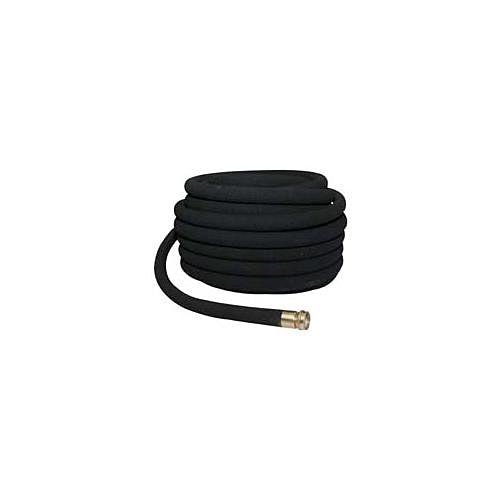
Garden soaking hose

500' Bulk Soaker Hose, No Ends
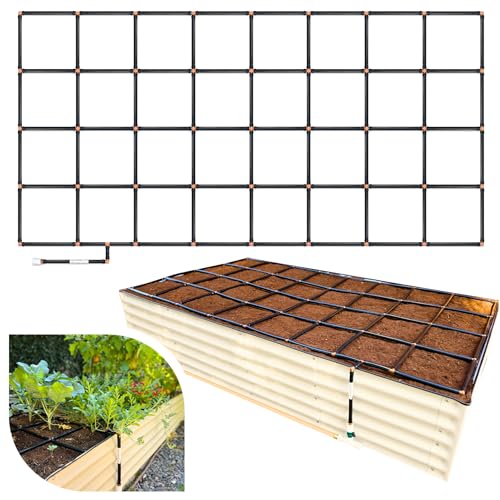
Effortless Watering, Setup In Minutes- The Garden Grid was designed by gardeners, for gardeners - making it one of the easiest-to-use plant watering devices available. It arrives in preassembled sections and sets up in 2-3 minutes. Just connect it to a standard garden hose and you’re ready to grow. It delivers 16 even streams of water per square for consistent, hands-free hydration across your entire 4x8 raised bed. No tools. No fragile drip parts. Whether you're starting your first irrigation system for garden use or upgrading your current garden watering system, the Garden Grid makes it simple, reliable, and built to last.
Planning Your Custom Grid Layout

When planning a custom grid layout for a garden, it is essential to begin with precise measurements of the garden area to accurately calculate the number of soaker hoses required. Each plant type has specific water needs, influencing hose spacing: typically, 12-18 inches apart for annuals and 18-24 inches for perennials. To visualize the layout before installation, use a garden hose to create a preliminary outline on the ground, ensuring a represented grid pattern for the garden beds. When laying the soaker hoses, they should be straight, free from twists or kinks, to promote even water distribution. Additionally, in-line valves can be installed to control water flow, enabling tailored watering based on individual plant requirements and soil moisture levels. Incorporating pressure-compensating emitters can ensure that water delivery remains consistent across the grid, regardless of variations in water pressure.
Recommended Products

Metal Bracket Hose Reel: This water hose reel has adapted the premium metal bracket, which is more durable and steady.

Robust Lock Mechanism: The Giraffe Tools hose reel has a patented design certified any-lock mechanism that locks at any length, cover every corner of your garden. And specially-designed stop ball can protect hose when it retracts.

Consistent & Even Watering Drip Irrigation Hose: Makes use of a clog-resistant fabric cover recyceld vinyl for consistent slow soaking seep throughout its entire length. Deliver water to the entire area that it covers. Only certain areas of your garden bed getting watered.For waste-free watering in garden beds and other tight spaces. Waters the base of the plants so less water-related leaf damage.
Essential Tools and Materials for Installation

A well-equipped toolkit is essential for the successful installation of a soaker hose system in any garden. Essential tools include plastic or metal stakes for securing the soaker hoses in place, and a pressure regulator to manage water flow effectively. Additionally, Y connectors and splitters facilitate connections between multiple hoses, ensuring an even distribution of water throughout the garden grid. Purchasing soaker hoses in bulk is recommended, as fittings are typically sold separately, allowing customization based on garden dimensions. It is vital to select UV stabilized materials that can withstand harsh weather, extending the usability of the hoses. Finally, integrating a water timer can automate the watering process, promoting consistent irrigation without manual effort. For those interested in efficient outdoor lawn care, WiFi sprinkler controllers offer advanced weather-based adjustments to optimize water usage, making them a valuable addition to any irrigation system.
Recommended Products

Water-Saving Efficiency: Delivers slow, steady water directly to plant roots, minimizing evaporation and runoff for eco-friendly gardening.

Consistent & Even Watering Drip Irrigation Hose: Makes use of a clog-resistant fabric cover recyceld vinyl for consistent slow soaking seep throughout its entire length. Deliver water to the entire area that it covers. Only certain areas of your garden bed getting watered.For waste-free watering in garden beds and other tight spaces. Waters the base of the plants so less water-related leaf damage.

WATER-SAVING: thick-rubber design saves 80% water, waters roots evenly, cuts evaporation. Can be covered with 7-inch soil, fits all terrains without affecting watering.
Step-by-Step Guide to Setting Up Your Soaker Hose System
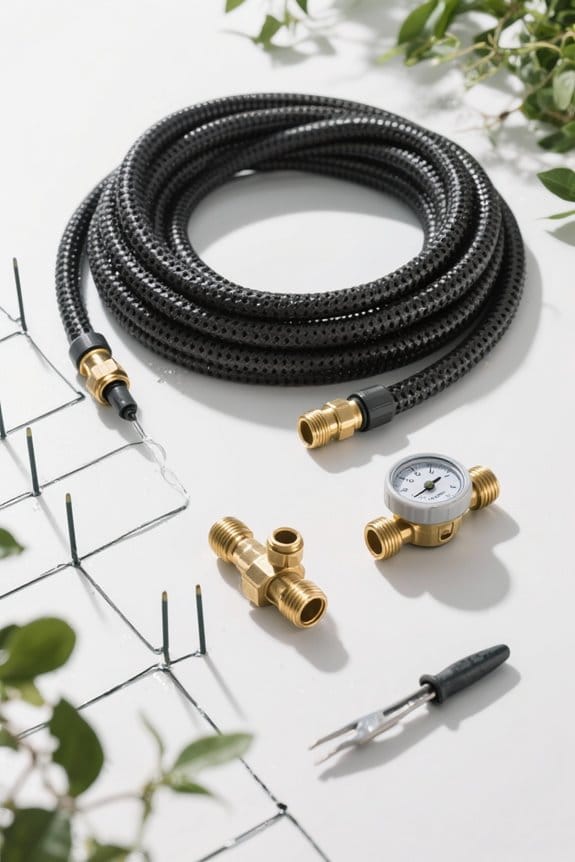
Installing a soaker hose system effectively requires careful planning and execution to secure ideal irrigation. First, measure the area needing water, accounting for plant placement, and calculate the necessary length of soaker hoses based on your layout. Next, lay the hose along the ground at the base of each plant, making sure hoses are 12-18 inches apart for annuals and 18-24 inches apart for perennials. Connect the hoses to a water source using appropriate fittings, employing tees instead of elbows for easier maintenance. Consider using UV-resistant materials for enhanced durability and weather resistance. Finally, install a digital water timer to automate your watering schedule, typically starting with durations of 30–45 minutes. This setup will help guarantee adequate water flow while promoting healthy plant growth.
Recommended Products

2-Pack Set: Includes two 50-gallon rain barrels, perfect for larger water storage needs or connecting multiple rain barrels. Please Note: Ships in more than one package.

Upgraded Design Hose Reel: PHLEX PRO hose reel offers versatile hose use with a pull-and-lock system to prevent retraction. After use, gently tug to engage the automatic rewind, which neatly organizes the hose for you. Swivel bracket and fixed metal pin, can be securely mounted on a solid wall, offering a 180-degree swivel for versatile, all-around watering

EFFORTLESS, EFFICIENT WATERING: The 700 Series 1/2" Inner Diameter Soaker Hose delivers slow, even watering right at the roots - where plants need it most. It provides a consistent water weep from end to end, giving your garden deep, gentle hydration without waste. It's truly unlike any soaker hose you've used before.
Tips for Maintaining Your Soaker Hose System

Maintaining a soaker hose system is essential to ensuring its efficiency and longevity. Regularly flush soaker hoses at the beginning of each planting season, as this removes sediment buildup that could cause clogs and impede water distribution. It is important to inspect hoses frequently; look for cuts, nicks, or leaks, and repair any damage with appropriate couplings to maintain effective watering. Garden workers should be informed about soaker hose locations, particularly those hidden under mulch, to prevent unintentional damage. Additionally, schedule routine checks for clogs, especially during dry spells or after heavy rain. Maintaining a 2-3 inch layer of mulch over the hoses helps retain soil moisture and shields them from UV exposure and extreme temperatures. Consider using eco-friendly materials, like those in the Element SoakerPRO System, to contribute to sustainable gardening practices.
Enhancing Water Efficiency in Your Garden
Enhancing water efficiency in a garden requires thoughtful planning and the right tools. Soaker hoses deliver water directly to plant roots, thereby reducing water usage by up to 50%. This method minimizes evaporation and runoff, maximizing the effectiveness of the irrigation system. To enhance water retention, apply a 2-3 inch layer of mulch around the soaker hoses; this reduces the need for frequent watering. Watering during the cooler hours of early morning or late evening will further decrease water loss due to evaporation. Regular maintenance of the system, including flushing the hoses to remove clogs, is essential for ideal water distribution and longevity. By adopting these practices, gardeners can considerably improve water efficiency. Additionally, utilizing soaker hoses made from 100% recycled materials supports sustainable gardening efforts and promotes eco-friendly practices.
Recommended Products

Ensure a backup water supply for your home using the 4 faux wood rain barrels to collect rainwater from the gutter, made of durable plastic that resists weather and UV damage for an ideal addition to your backyard

ABOUT: This healthy solution to dying, messy natural grass is perfect for any type of yard! New flooring inside your new gym? No problem! New turf for your high school football field? No need for an installation crew! This versatile turf can solve any flooring eye sores or issues. It can be installed by you, at home with no help necessary! Either glue or artificial turf seam tape can used for application of your landscape.

【LOCK AT ANY LENGTH】This retractable garden hose reel has a locking function of any length. After pulling out the water hose, it can be locked at the length you want, it will automatically lock, so you don’t have to pull the water hose all the time, which is very convenient and labor-saving, and it is equipped with a 100ft retractable water hose which covers every corner of your garden.
Frequently Asked Questions
How to Design a Soaker Hose Layout?
To design a soaker hose layout, one should consider soaker hose advantages, effective watering strategies, and garden design. Proper placement enhances soil moisture retention, utilizing ideal irrigation techniques tailored to specific plant needs for improved growth.
What Is the 30/30 Rule for Drip Irrigation?
The 30/30 Rule for drip irrigation emphasizes watering for thirty minutes weekly, adapting for dry soil. This method promotes water conservation, enhances soil moisture, and ultimately safeguards plant health, pivotal in strategic garden planning. Mystery unfolds in efficiency.
What Is the 200 Rule for Drip Irrigation?
The 200 Rule in drip irrigation maximizes water distribution, enhancing plant health optimization. Adhering to this guideline aids in effective water conservation techniques, ensuring consistent soil moisture levels and providing essential installation tips for gardeners.
What Is the Spacing for Soaker Hoses?
Soaker hoses should be spaced 12-18 inches apart for annual plants and 18-24 inches for perennials. Proper installation enhances soaker hose benefits, ensuring garden compatibility, promoting water conservation, and simplifying maintenance with ideal hydration.