As an Amazon Associate, we earn from qualifying purchases. Some links on this site are affiliate links at no extra cost to you. Our recommendations are based on thorough research and editorial judgment.

Succession Planting: How to Keep Your Garden Productive All Season

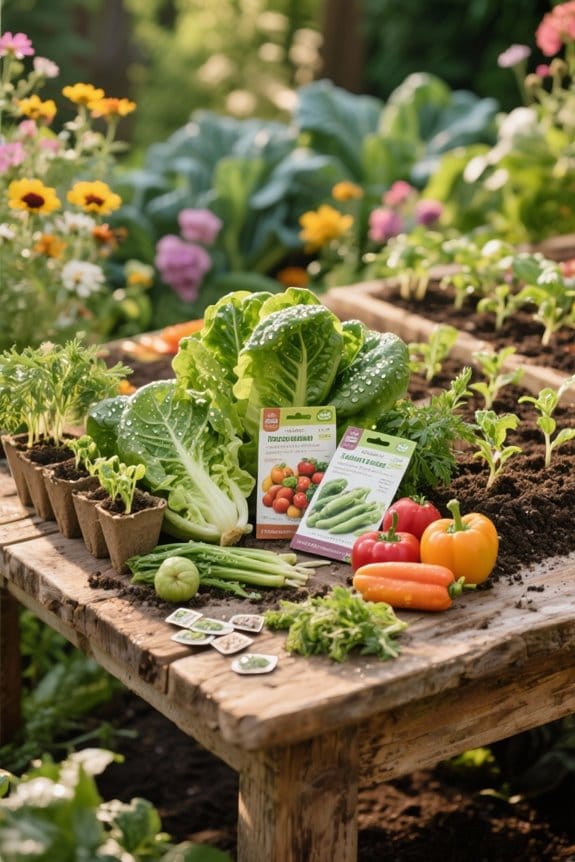
Succession planting allows gardeners to maximize productivity by planting new crops in intervals after previous harvests. Selecting fast-growing crops, such as lettuce and radishes, for planting every 2-3 weeks guarantees a continuous supply of fresh produce. Monitor local frost dates and crop maturity times to optimize planting schedules and avoid missed opportunities. Incorporate companion planting to further enhance yields and pest resistance. These strategies collectively maintain soil health and maximize the effective use of garden space, enhancing overall productivity throughout the season. More insights await regarding this efficient gardening technique.
Key Takeaways
- Plan your planting schedule by tracking local frost dates and crop maturity to optimize harvest timing.
- Choose fast-growing crops like leafy greens and radishes for frequent planting every 2-3 weeks.
- Utilize companion planting to maximize space and enhance pest resistance among different crops.
- Regularly assess soil health and nutrient levels to ensure continuous productivity throughout the growing season.
- Adjust planting intervals based on seasonal changes and weather conditions for better crop resilience.
Understanding Succession Planting
Succession planting represents a strategic approach to maximizing garden productivity throughout the growing season. This technique involves planting new crops in previously harvested areas, achieving continuous harvests of fresh produce. Particularly effective for crops with short growing seasons, such as leafy greens and root vegetables, succession planting can be executed at intervals of two to three weeks. Gardeners should create a detailed planting schedule, accounting for local frost dates and specific days to maturity for each crop. This careful planning guarantees a steady supply of fresh produce and ideal garden productivity. Additionally, by regularly replanting in the same space, soil health is maintained, preventing depletion and promoting sustained growth throughout the season. Using tool-free installation options for irrigation, such as certain ball valves, can enhance the ease and efficiency of maintaining a productive garden.
Benefits of Succession Planting
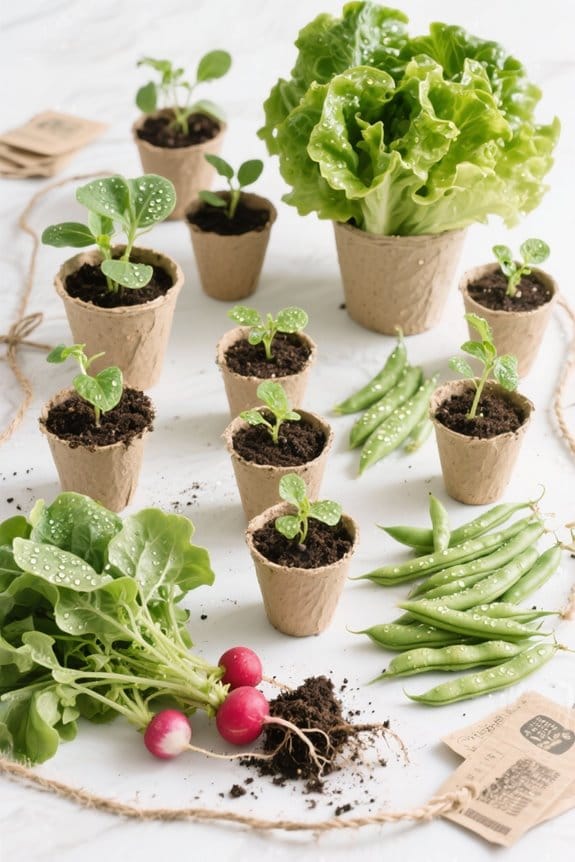
Effective planting strategies can yield significant advantages for gardeners, especially when considering the benefits of succession planting. This method enhances garden productivity by staggering harvests, leading to a continuous harvest of fresh produce throughout the growing season. By maintaining soil health, it reduces erosion risks and minimizes downtime between crops, thereby allowing gardens to thrive. Succession planting also promotes a steady supply of vegetables, preventing overwhelming harvests that can lead to waste. Additionally, this technique offers backup crops, ensuring that if one crop succumbs to pests or adverse weather conditions, others can still succeed. Regularly managing crops at different growth stages allows for a more organized and rewarding gardening experience, ensuring consistent access to nutritious food. Succession planting can be optimized by selecting seeds with a high germination rate, ensuring reliable growth and robust plants throughout the season.
Ideal Crops for Succession Planting

A well-planned garden can benefit greatly from the selection of crops suitable for succession planting. Ideal crops for succession planting include fast-growing leafy greens, such as lettuce, spinach, and arugula, which can be sown every 2-3 weeks for continuous harvests in spring and fall. Root vegetables like radishes and carrots can also be planted in succession to achieve staggered harvests throughout their growing periods. Bush beans and peas fill garden space effectively, allowing for peak harvests in early spring and late summer plantings. Sweet corn requires successive plantings every 14 to 21 days to guarantee a steady supply during the summer months. Thoughtful crop selection tailored to family needs can considerably maximize garden space and prevent overwhelming harvests. Summer squash, such as Black Beauty Zucchini, can also be planted in succession, ensuring a continuous supply of delicious produce throughout the season.
Recommended Products

![The Year Round Vegetable Gardener How to Grow Your Own Food 365 Days a Year, No Matter Where You Live by Jabbour, Niki [Storey Publishing, LLC,2011] (Hardcover)](https://m.media-amazon.com/images/I/51vD73T0cRL._SL500_.jpg)
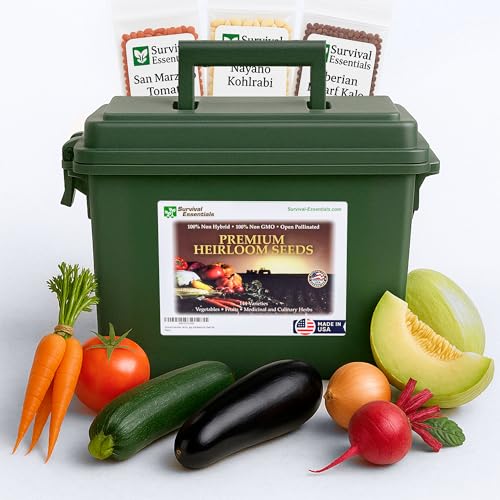
Your Family’s Safety Net: Non-GMO heirloom vegetable seeds for planting a survival garden that keeps you fed when supply chains fail or grocery shelves go bare
Techniques for Effective Succession Planting
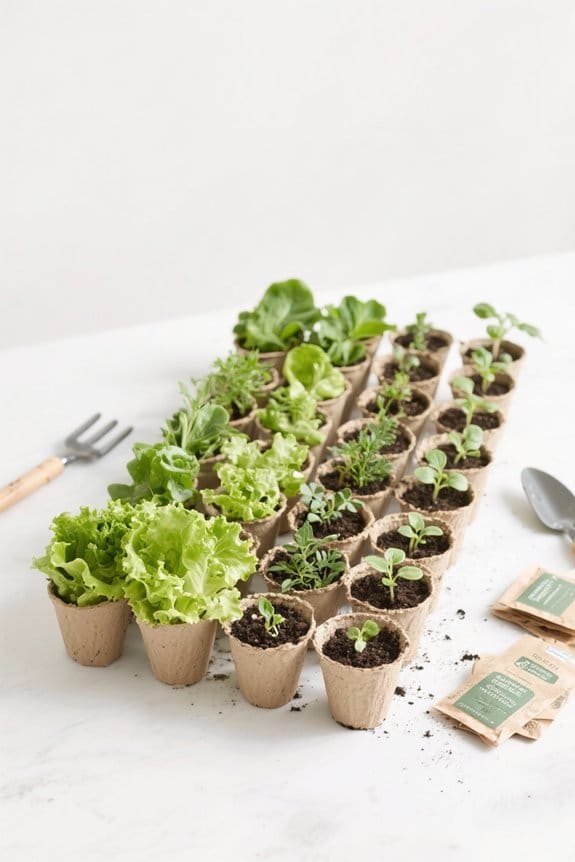
Establishing a well-organized planting schedule is essential for maximizing yields through succession planting. This method involves planting new seeds every two to three weeks, which allows for continuous harvest and staggered harvests. By selecting crops like lettuce, kale, and beans, gardeners can efficiently optimize their schedules. It is also important to take into account local frost dates and crop maturity timeframes to guarantee ongoing growth. Block planting, especially with sweet corn, can enhance pollination and yield, spacing plants every 14 to 21 days. Incorporating intercropping strategies, such as sowing radishes between slower-growing carrots, optimizes garden space and promotes faster turnover, making succession planting a practical technique for a productive garden throughout the season. To ensure quick germination and robust growth, gardeners can select the best quick germinating grass seeds, which are known for their rapid establishment and adaptation to varied climates.
Recommended Products

Includes 200 Flower Gardening Seed Packets!
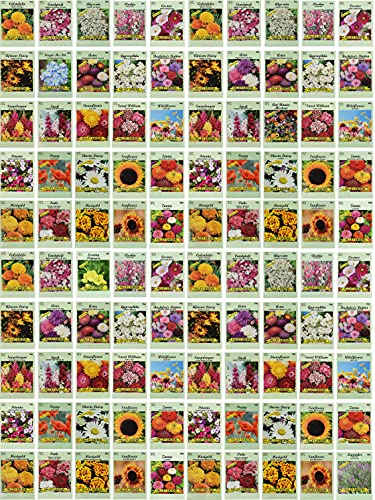
Includes 100 Flower Gardening Seed Packets

Features a curated mix of 20 unique flower seed packets, including sunflowers, marigolds, cosmos, lavender, and more, for a colorful and diverse garden display.
Timing Your Plantings

Timing plantings plays a critical role in achieving a successful and productive garden. To guarantee continuous harvests during the growing season, gardeners should begin sowing seeds every 10 days after the last spring frost. Familiarity with local frost dates helps define ideal planting windows for various crops. For example, to achieve a steady yield, sweet corn should be planted every 14 to 21 days. When shifting to fall crops, consider planting as summer crops fade, usually around mid-summer. It is crucial to utilize the specific days to maturity for each crop, which aids in planning a staggered planting schedule. By doing so, gardeners can maintain ongoing production and effectively extend the harvest season. Using UV inhibitors in gardening equipment can help protect them from sun damage, ensuring they last through multiple planting cycles.
Best Seasonal Practices for Gardeners
To maximize productivity in a garden, gardeners should adopt best seasonal practices throughout the growing year. Implementing a staggered planting schedule allows for crops like lettuce and beans to be sown every two to three weeks, ensuring continuous harvests during the growing season. Additionally, monitoring local frost dates helps plan for spring and late summer plantings, optimizing yield potential for crops such as peas and sweet corn. Utilizing fast-growing crops, including radishes and spinach, can fill gaps left by harvested plants. Moreover, employing interplanting techniques, by pairing crops such as tomatoes with basil, enhances space efficiency. Regular evaluations of garden layout and adjusting sowing plans based on seasonal weather contribute to sustained garden productivity without overwhelming harvests. Including high germination rates seed collections ensures that a greater number of seeds will sprout successfully, increasing the chances of a fruitful garden.
Recommended Products

QUICK, POWERFUL THATCH REMOVAL: With a 14" dethatching width, this 40V cordless lawn dethatcher covers more ground to swiftly remove thatch buildup. And with its high-efficiency brushless motor, it will scarify dense turf without bogging down

STATE FLOWER WITH WIDE ADAPTABILITY: Our Texas bluebonnet seeds (Lupinus texensis), the official state flower of Texas, showcase brilliant blue blooms that capture the essence of native Texas plants. Perfect for outdoor gardens, they thrive in USDA Zones 3-10 and are an essential addition to any Texas wildflower seed mix.

BULK 5 POUNDS (5x ONE POUND BAGS) contains over 600,000 fresh seeds, 100% Pure Live Seeds - Enough to cover over 8,000 square feet.
Common Mistakes to Avoid
Avoiding common mistakes in gardening can greatly enhance crop yield and overall success. One significant error is overcrowding planting areas, which reduces airflow, subsequently increasing disease risk. Additionally, neglecting to track last and first frost dates can disrupt planting schedules, resulting in crops being sown at suboptimal times. It is also essential to reflect on the growth rate and maturity time of each crop; failure to do so may yield missed opportunities for successive plantings. Gardeners should conduct regular soil health assessments to avoid nutrient depletion and pH imbalances that hinder crop performance. Finally, adapting planting schedules based on seasonal changes is critical; otherwise, periods of low productivity or crop failure are likely to occur if weather fluctuations are ignored. To maintain an efficient watering routine, consider implementing a drip irrigation system which maximizes water efficiency and minimizes waste.
Monitoring and Adapting Your Schedule
Successful gardening relies on careful monitoring and adjusting of planting schedules to optimize crop yields. To achieve this, gardeners should monitor local last frost dates in spring and first frost dates in fall, allowing for effective planning. Keeping a garden journal can enhance this process, enabling tracking of planting dates, growth progression, and harvest times. Gardeners must alter their planting timeline based on weather conditions, avoiding periods of extreme temperatures or excessive rainfall. Understanding crop maturity days is essential for spacing out plantings, ensuring a continuous harvest rather than overwhelming yields. Additionally, modifying planting choices according to seasonal variations, changing from cool-season to warm-season crops, maximizes garden productivity and diversity throughout the growing season. For those looking to maintain a lush, green lawn, selecting the right Bermuda grass seed and understanding its growth requirements can significantly enhance lawn health and resilience.
Incorporating Companion Planting
Incorporating companion planting offers a practical method for enhancing garden productivity and pest management. This technique involves placing different plant species together to maximize space and improve crop productivity. For instance, pairing fast-growing radishes with slower-growing carrots not only maximizes space but also allows for a continuous harvest throughout the growing season. Certain combinations, like tomatoes and basil, can enhance flavor while increasing pest resistance, ensuring both crops thrive. Additionally, including companion plants, such as marigolds, can attract beneficial insects, improving pollination and reducing pest populations. Applying effective companion planting practices can also support soil health by fostering symbiotic relationships among plants, allowing for productive succession planting without depleting the soil’s nutrients for future crops. Choosing mixes with diverse native flower species can further support local biodiversity and attract a variety of pollinators, which are essential for a thriving garden ecosystem.
Recommended Products

Horticultural Grade Vermiculite: Premium organic fine vermiculite, ideal for potting soil for orchids, indoor plants, and succulents. Enhances water retention and nutrient availability for robust growth.

Tall-growing annual with bright, large, multi-colored blooms

Organic Crimson Clover seeds for planting. 70-90 days to maturity. Trifolium incarnatum. These high germination clover seeds are 100% non-GMO, open pollinated, and certified organic by OTCO. Crimson clover is tall with beautiful, showy deep red clover flowers. Excellent for attracting pollinators such as bees and butterflies.
Tools and Resources for Success
Various tools and resources can greatly boost the effectiveness of succession planting in a garden. Utilizing planting charts, gardeners can track sowing dates and harvest windows, aligning with local frost dates. Resources like gardening websites and local extension services provide tailored advice on selecting appropriate crops and effective planting techniques suited to specific climates. Garden planning software helps visualize layouts and manage planting schedules, while soil testing kits guarantee nutrient-rich soil conditions. Compost resources enhance soil quality as well. Button drip emitters are ideal for achieving specific moisture levels in various plant types, which can be beneficial for maintaining consistent watering throughout the growing season. Joining gardening clubs allows individuals to exchange ideas and learn succession planting strategies from fellow enthusiasts. Engaging with these tools can considerably improve productivity throughout the growing season, making successful gardening more achievable for gardeners of all experience levels.
Recommended Products

XtremepowerUS Post Hole Digger gives you plenty of power to efficiently dig and bore through holes for decks, fence posts, tree planting and more

【ELECTRIC AUGER DIGGER】: JKCHENPRO Electric Post Hole Digger with reverse function can saves you time and energy when you’re digging holes for fence posts, decks, tree planting, or other landscaping projects. The 1500-watt motor delivers intense power to help you complete the job

Ergonomic Design: The security lock is placed on your left-hand side to double ensure security in any accidental triggering. This electric post digger for fence with skid-proof handles provides maximum leverage and stability.
Inspiring Success Stories From Fellow Gardeners
Many gardeners have successfully transformed their growing practices through succession planting, leading to extended harvests and improved yields. One reported planting salad greens every two weeks to guarantee a continuous harvest without waste. Another gardener shared their success in growing green beans twice per season, yielding 200% more than with a single planting. It is important to keep in mind local frost dates, as many gardeners adjusted their schedules accordingly, aligning their crops with their community’s food needs. Additionally, participants in gardening workshops emphasized interplanting fast-growing crops with slower ones to maximize productivity. These success stories highlight practical techniques and showcase the rewarding potential of careful planning and attention to seasonal changes in gardening.
Frequently Asked Questions
What Is the 70/30 Rule in Gardening?
The 70/30 rule in gardening suggests dedicating 70% of space to established seasonal vegetables, while 30% is for experimentation. This strategy incorporates companion planting, crop rotation, and effective timing strategies for enhanced pest management and soil health.
What Is the 3 Year Rule in Gardening?
The 3-Year Rule in gardening dances like seasons, advocating crop rotation to nurture soil health. By altering vegetable varieties, gardeners optimize their planting schedules for yield maximization, while skillfully managing pests and enhancing garden layout year after year.
What Is the 3-Hour Gardening Rule?
The 3-hour gardening rule promotes effective garden timing and planting strategy by encouraging consistent weekly sessions. This approach enhances crop rotation, seasonal vegetables, yield optimization, soil management, and pest control, ultimately improving overall garden planning.
What Is the Rule of 3 in Landscaping?
The Rule of 3 in landscaping transforms ordinary spaces into breathtaking vistas by cleverly applying design principles, optimizing spatial arrangements, enhancing color theory, and guiding plant selection for seasonal blooms, ultimately revolutionizing garden maintenance and aesthetics.